Maybelline Fit Me Matte + Poreless Foundation: What to Know Before You Buy
Few drugstore foundations are as widely recognised as Maybelline’s Fit Me Matte + Poreless. It has been on shelves for years, it comes in a long list of shades, and it is priced for people who want a reliable everyday base without a luxury budget. The brand’s page lists it at CAD 12.99 at the time of writing, though prices vary by retailer.
A quick note on how this article was written: it is a product overview built from the manufacturer’s published product page, its ingredient list, and general skincare and makeup knowledge. It is not a record of hands-on testing, and the product photos are the brand’s own.
This article walks through what the foundation is, what is in the bottle, who it is likely to suit, and how to match and apply it so you get the best result.
What This Foundation Is
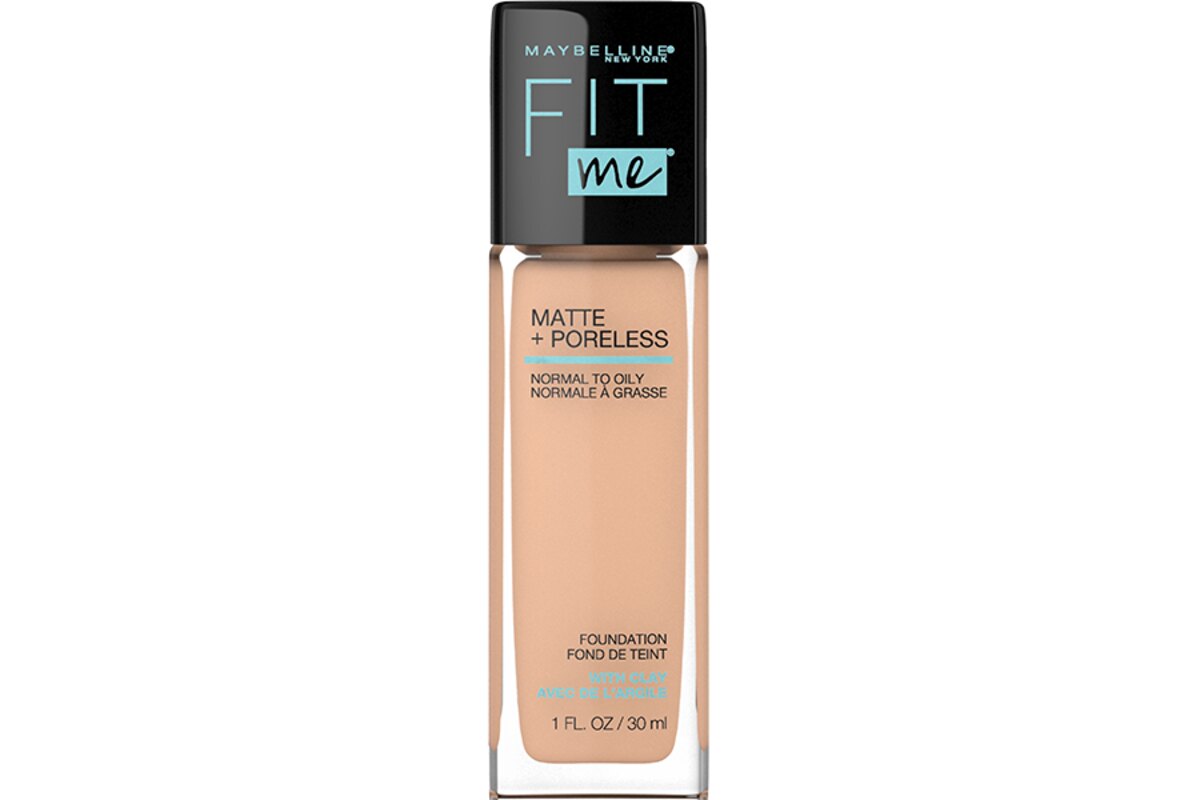
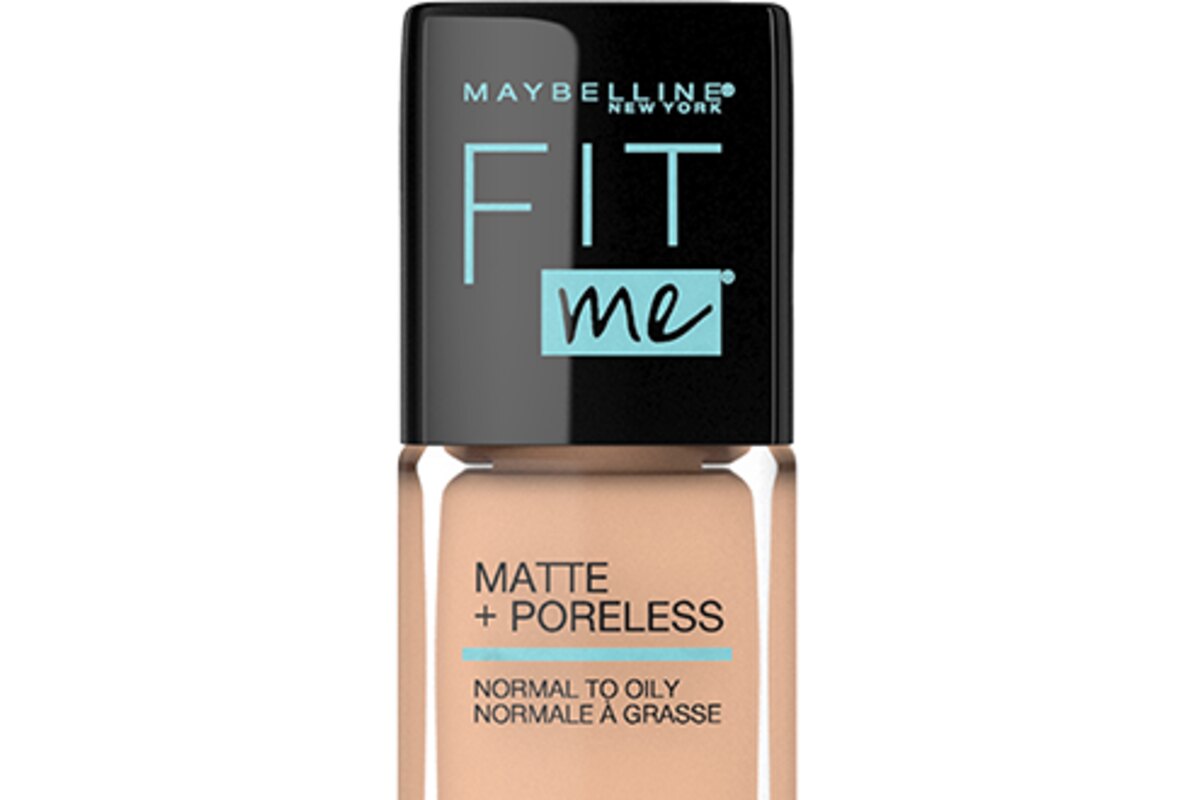
Maybelline describes Fit Me Matte + Poreless as a lightweight liquid foundation that mattifies and refines the look of pores while leaving a natural, seamless finish. It comes in a 30 ml glass bottle with a pump-free dropper-style cap, and the front of the pack states that it is made for normal to oily skin.
The brand also calls it an oil-free and non-comedogenic formula, designed to look smooth and natural throughout the day. In practical terms, that means it is positioned as a medium-coverage, shine-controlling base rather than a dewy or radiant one. If you love a glowy finish, Maybelline sells a separate Fit Me Dewy + Smooth formula that targets that look instead.
The Formula and Ingredients
The ingredient list begins with water, followed by silicone-based ingredients such as dimethicone derivatives, along with emulsifiers and a crosspolymer that helps give the formula its soft, blurred look. The brand says it contains micro-powders, which are small particles intended to absorb shine and soften the appearance of pores.
Pigments are listed as titanium dioxide and iron oxides, which is standard for a liquid foundation. As with any product, check the ingredient list printed on your own package, because manufacturers update formulas from time to time. If you are sensitive to silicones, this is a good reason to patch test first, although silicones are widely tolerated and are common in foundations at every price point.
Who It Is Likely to Suit
Based on the manufacturer’s description, this foundation is aimed at people with normal to oily skin who want a controlled, matte look. If your skin tends to get shiny in the T-zone by midday, a formula built around shine control is a logical place to start.
People with dry or very textured skin may find any matte foundation emphasises dry patches, so they might prefer a hydrating formula or prepare their skin with extra moisturizer. That is not a criticism of this product, only a reminder that finish and skin type work together. Matching the finish to your skin is just as important as matching the shade.
How to Apply It

Maybelline’s directions are simple: apply the foundation to the skin and blend with fingertips or an applicator. A little goes a long way, so start with a small amount and build coverage where you need it rather than covering the whole face with a thick layer.
Many people find a damp makeup sponge gives a more skin-like finish with a matte liquid, while a dense brush gives more coverage. Prep matters too. A lightweight moisturizer and a sunscreen applied a few minutes earlier give the foundation a smoother surface to sit on, which helps avoid patchiness around the nose and chin.
Reading the Before and After Images
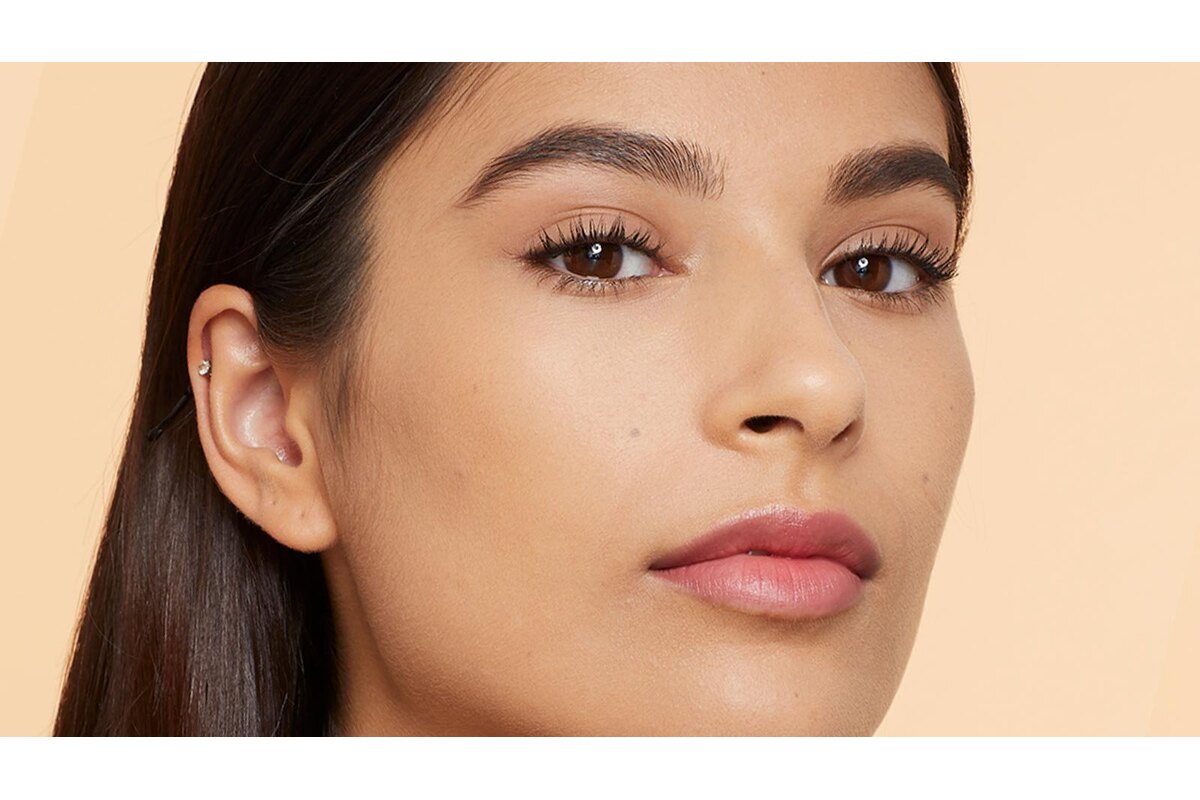
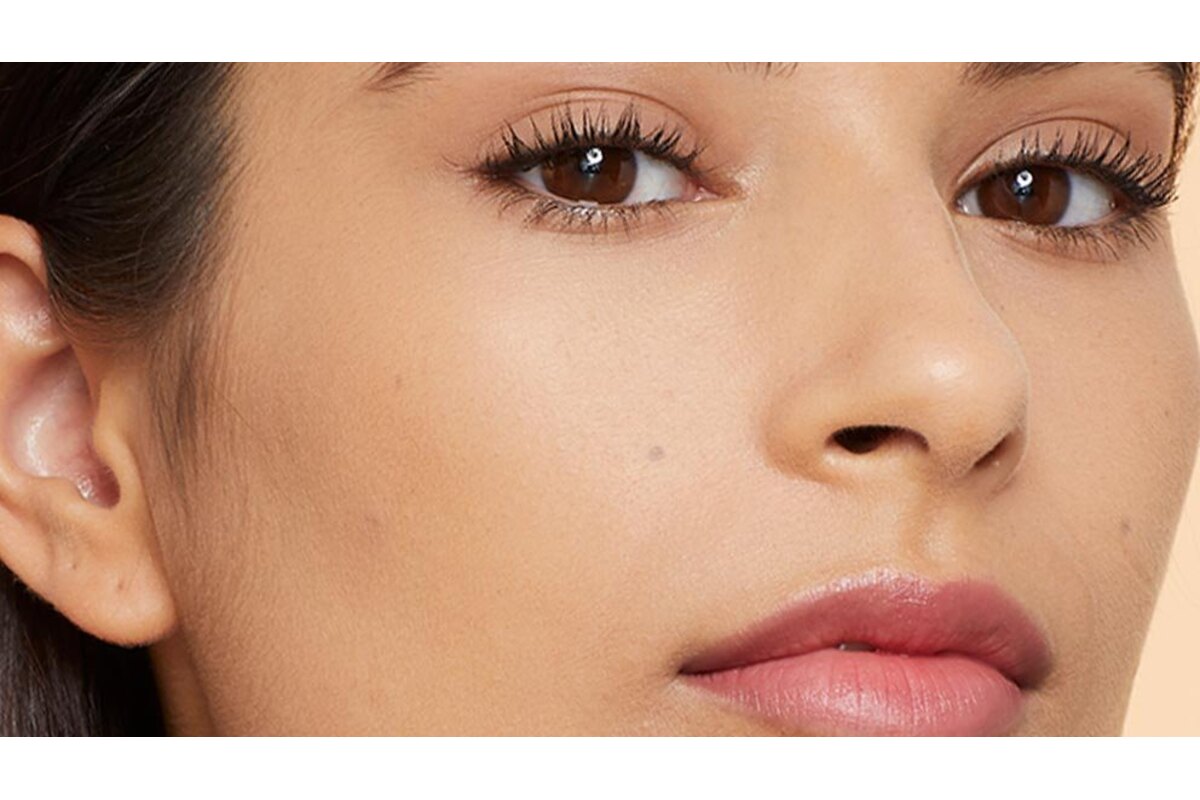
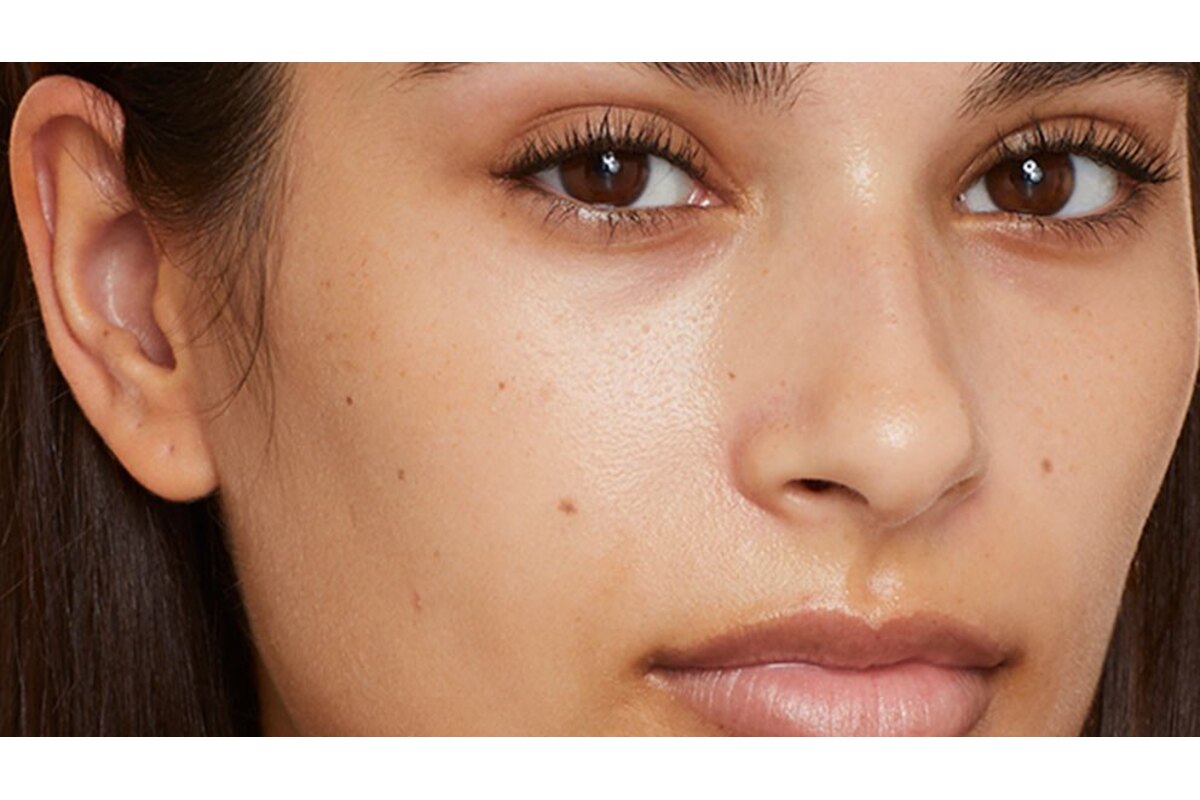
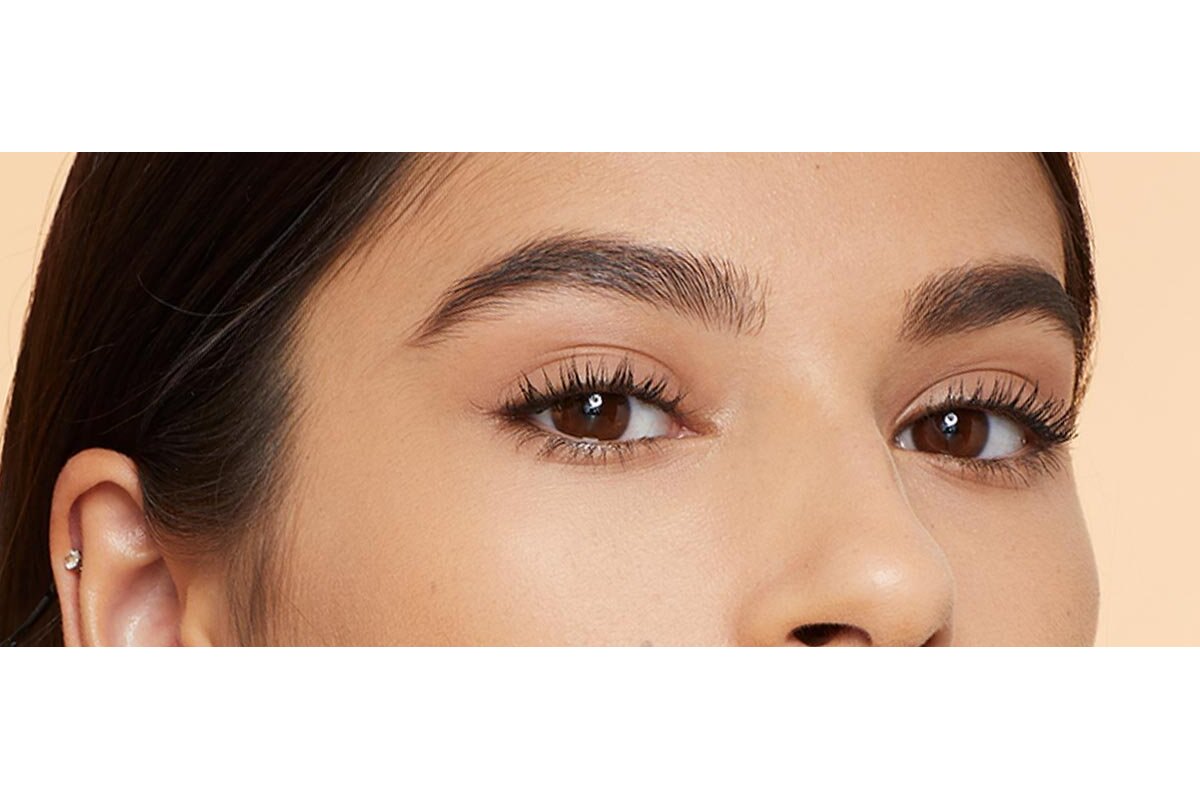
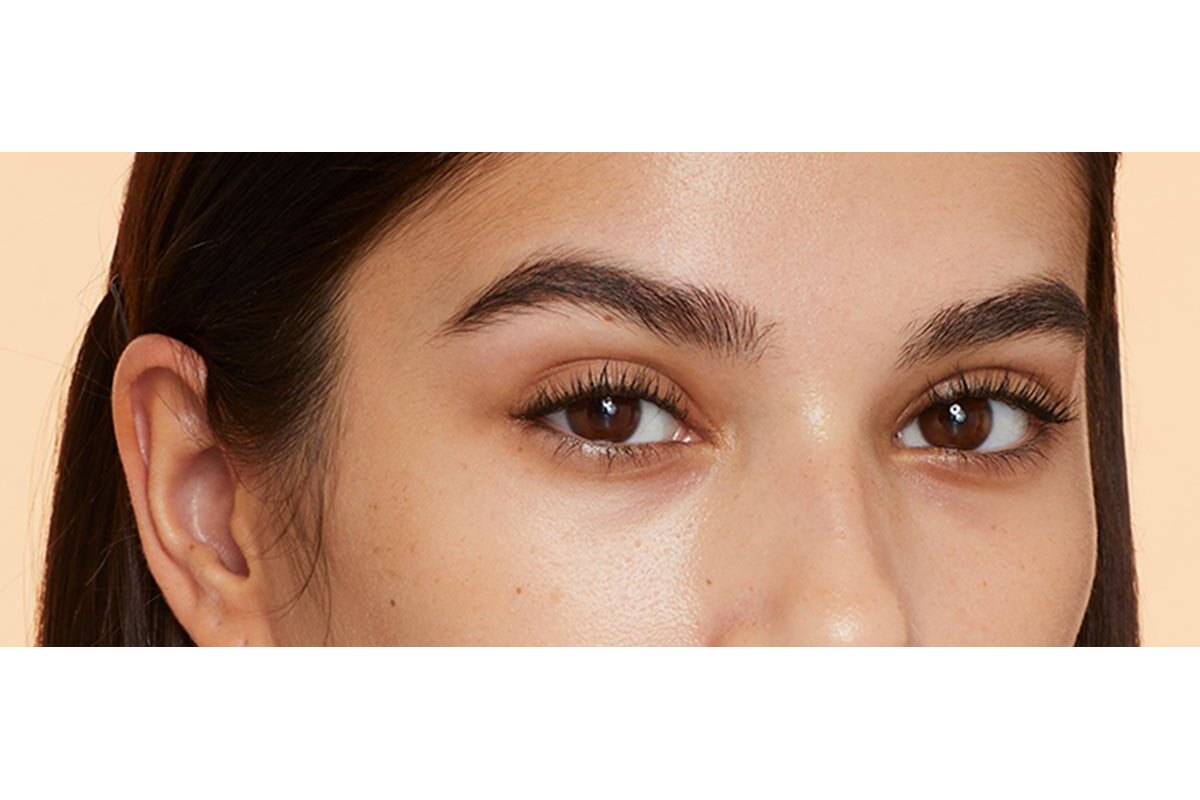
The brand’s page includes a before-and-after slider that shows a model with and without the foundation, and the images in this article come from that page. The difference shown is a more even, softly matte complexion with less visible texture.
Remember that these are manufacturer images, taken under controlled lighting and shown with a shade chosen for that model. Your own result depends on your skin, your prep, and your shade match, so treat them as a picture of the intended look and not a guarantee.
Shade Range and Matching
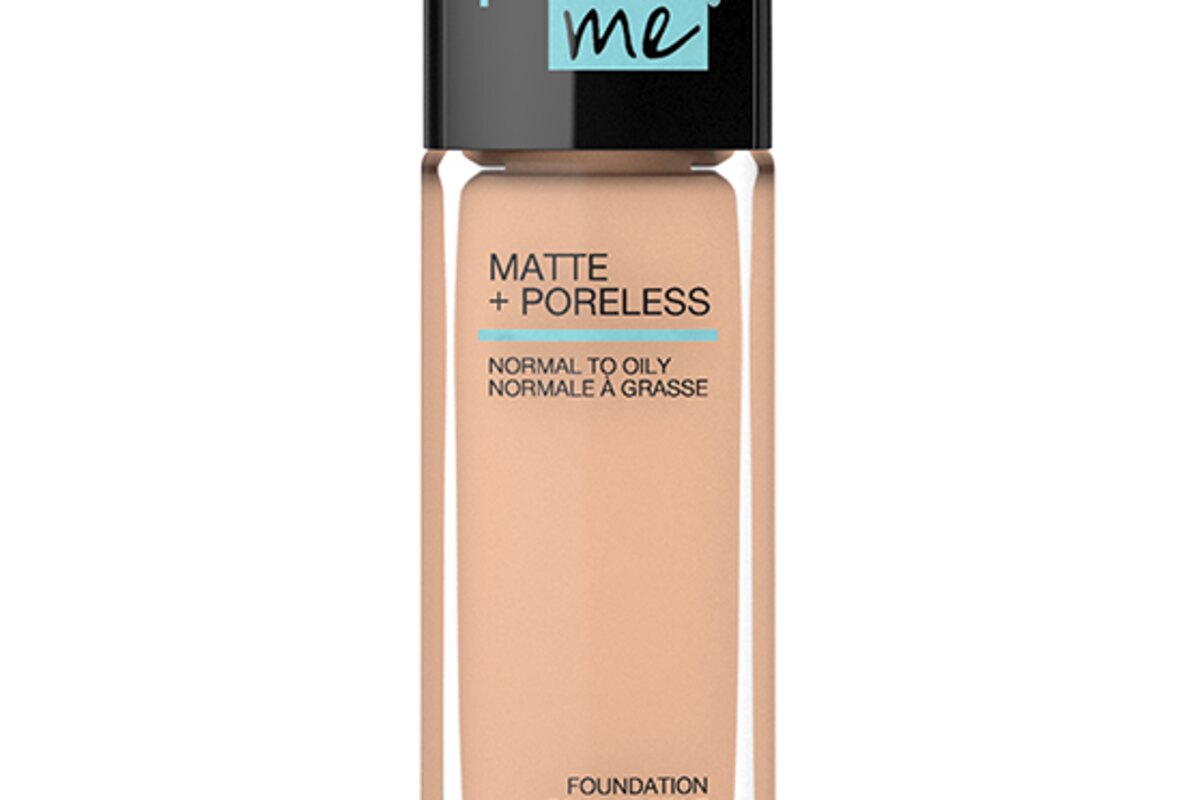
Maybelline offers a long shade range across fair to deep skin tones, with names that signal depth and undertone. The page lists a shade such as Fair Porcelain at the lighter end. The brand’s shade finder and virtual try-on tool can narrow your choice before you buy.
If you are unsure, check your undertone, compare against a foundation you already own, and swatch along the jawline in daylight. If you are between two shades, the lighter one is usually easier to adjust than one that is too dark.
Why Lighting Changes Everything
The same foundation can look completely different depending on where you look at it. Bathroom lighting is often yellow and warm, office lighting can be flat and green, and a bright window shows every mismatch. Before you decide a shade is wrong, check it in daylight near a window, away from direct sun.
This is also why shade matching in a store can mislead you. Store lighting is designed to make products look appealing, not to show how they will look in a car or at dinner. When possible, step outside with a sample, or swatch it on your jawline and walk to the nearest window.
Fixing a Shade That Is Slightly Off
If your foundation is close but not quite right, you have options. If it is too light, a few drops of a deeper shade or a bronzing drop can bring it closer. If it is too dark, mixing it with a lighter foundation or a little moisturizer will lighten and sheer it out.
You can also use other products to bridge the gap. A cream bronzer or blush applied lightly can add warmth if the foundation looks flat, and a touch of powder can help it settle. Small adjustments are often enough, and they save you from returning a product that is nearly right.
Skin Type and Finish Also Matter
Shade is only half the puzzle. The finish you choose affects how a foundation reads on your skin. A dewy formula can look a shade warmer or deeper because of the glow, while a matte formula can look flatter and slightly lighter. People with oily skin often find that a foundation looks darker by the afternoon as it mixes with oil, while dry skin can make a formula look patchy or lighter.
When you read reviews, look for people with a similar skin type as well as a similar shade. A review from someone with dry skin who loves a dewy foundation is less useful if you have oily skin and want a matte finish. Matching the finish to your skin type will improve how the shade looks all day.
Common Mistakes to Avoid
The most common error is choosing a shade that is too light because it looks more flattering in the bottle or because you want to look brighter. A foundation that is lighter than your skin can look chalky or mask-like in photos. The second most common error is ignoring undertone and focusing only on depth, which leads to foundation that looks grey, orange, or pink.
Another mistake is testing a foundation for only a few minutes. Wait at least ten to fifteen minutes to see whether it oxidizes. Wear it for a few hours if possible to see how it holds up. A foundation that looks perfect when you apply it may change by the time you reach lunch, and it is better to find that out early.
Shopping Tips for Different Retailers
Where you buy affects how you shop. At a drugstore, you can often open testers or ask about the return policy on the spot. At a beauty retailer, staff can match you with a colour-matching tool and often give samples. Buying directly from a brand’s website may give you access to the full shade range, which can be wider than what a store carries.
Whichever route you choose, consider ordering a sample or a travel size first if the brand offers it. A small investment in a sample can save you from buying a full bottle that does not work. If samples are not available, look for brands that provide shade finders on their websites, as many now have quizzes that suggest shades based on your current foundation.
A Simple Step-by-Step Matching Routine
Put the pieces together with a short routine you can repeat for any foundation. First, decide on your preferred finish and coverage. Second, work out your undertone using the wrist, jewellery, and how colours look on you. Third, shortlist two or three shades from reviews written by people with a similar skin tone and type.
Fourth, order a sample or buy where returns are accepted. Fifth, test on the jawline in daylight and wait fifteen minutes. Finally, wear it for a few hours and check for oxidation, patchiness, or a line at the jaw. Keep notes of the shade names that work, since a record of your matches makes every future purchase easier and helps you compare across brands.
Start With Your Undertone
Undertone is the subtle colour beneath your skin’s surface, and it matters more than depth when you are matching. Most people fall into cool, warm, or neutral. Cool undertones lean pink or rosy, warm undertones lean yellow or golden, and neutral sits somewhere in between.
A quick way to check is to look at the veins on your inner wrist in natural light. Blue or purple veins often suggest a cool undertone, green veins often suggest warm, and a mix of both suggests neutral. Another clue is how jewellery looks on you: silver tends to flatter cool undertones, while gold tends to flatter warm ones. None of these tests is perfect, so use two or three together.
Frequently Asked Questions
Is this foundation good for dry skin? The brand positions it for normal to oily skin. If your skin is dry, consider a hydrating foundation or add extra moisturizer underneath.
Does it have SPF? The product page does not list an SPF, so wear a separate broad-spectrum sunscreen under it.
Is it full coverage? It is generally described as a natural, buildable finish. If you need more coverage, you can layer thin coats or add concealer where needed.
Where can I find the ingredient list? It is printed on the packaging and on the brand’s product page. Always check your own package, as formulas can change.
The Bottom Line
Maybelline Fit Me Matte + Poreless is a long-standing, budget-friendly option for people who want a soft matte finish and a wide shade range. It looks best on normal to oily skin, and like any foundation it rewards good prep and careful shade matching. If you are curious, try it where returns are accepted, check the shade in daylight, and judge it after a full day of wear.