CeraVe Resurfacing Retinol Serum: A Beginner-Friendly Retinol Explained
Retinol has a reputation for being powerful and sometimes harsh, which is why many people look for a formula designed to be gentler. CeraVe Resurfacing Retinol Serum is one of the best known drugstore options, and it is aimed at people dealing with post-acne marks, uneven texture, and visible pores.
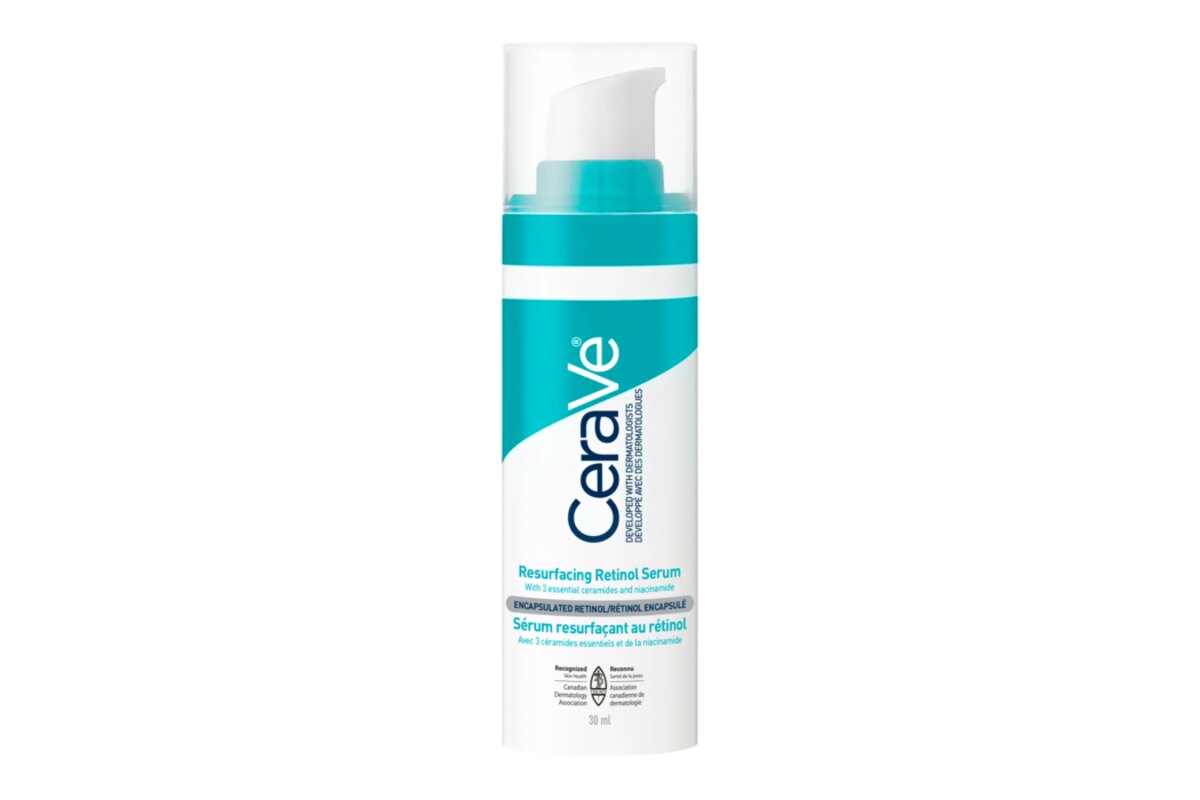
A quick note on how this article was written: it is a product overview built from the manufacturer’s published product page, its ingredient list, and general skincare and makeup knowledge. It is not a record of hands-on testing, and the product photos are the brand’s own.
Here is what the brand says the serum does, what its ingredient list suggests, and how to introduce a retinol to your routine without overdoing it.
What This Serum Is
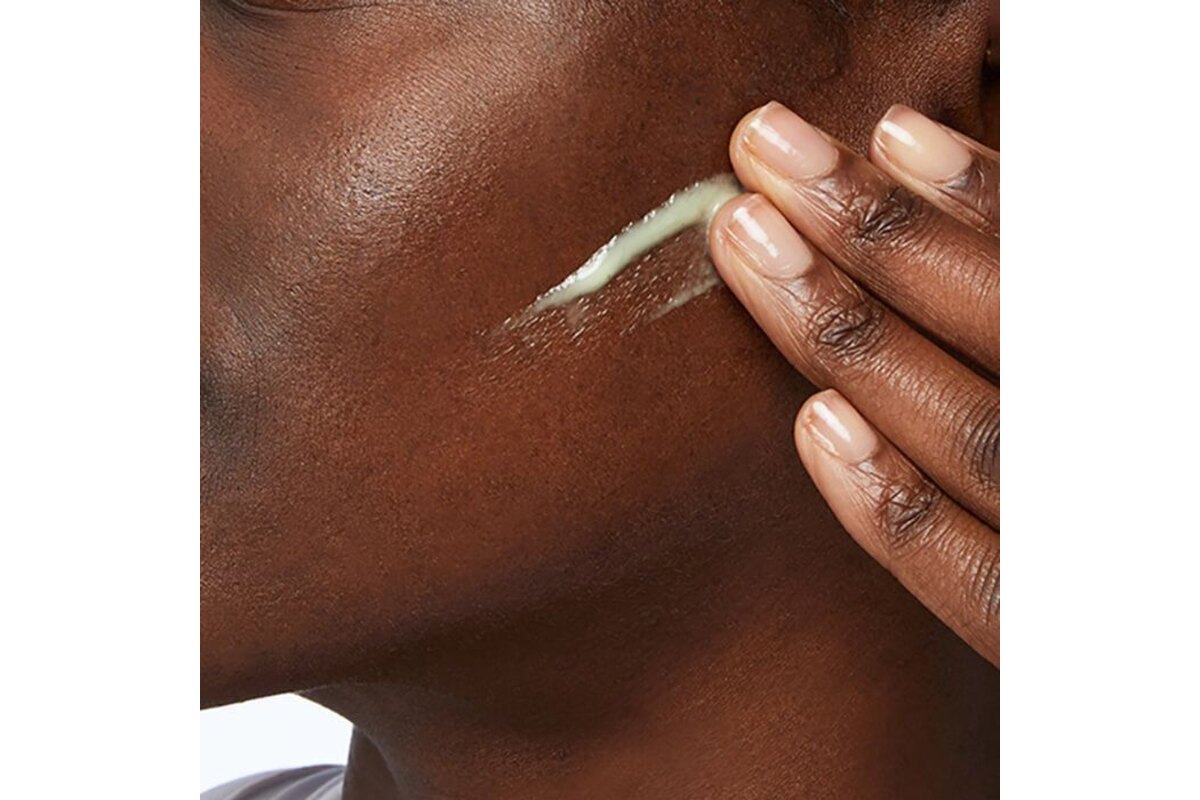
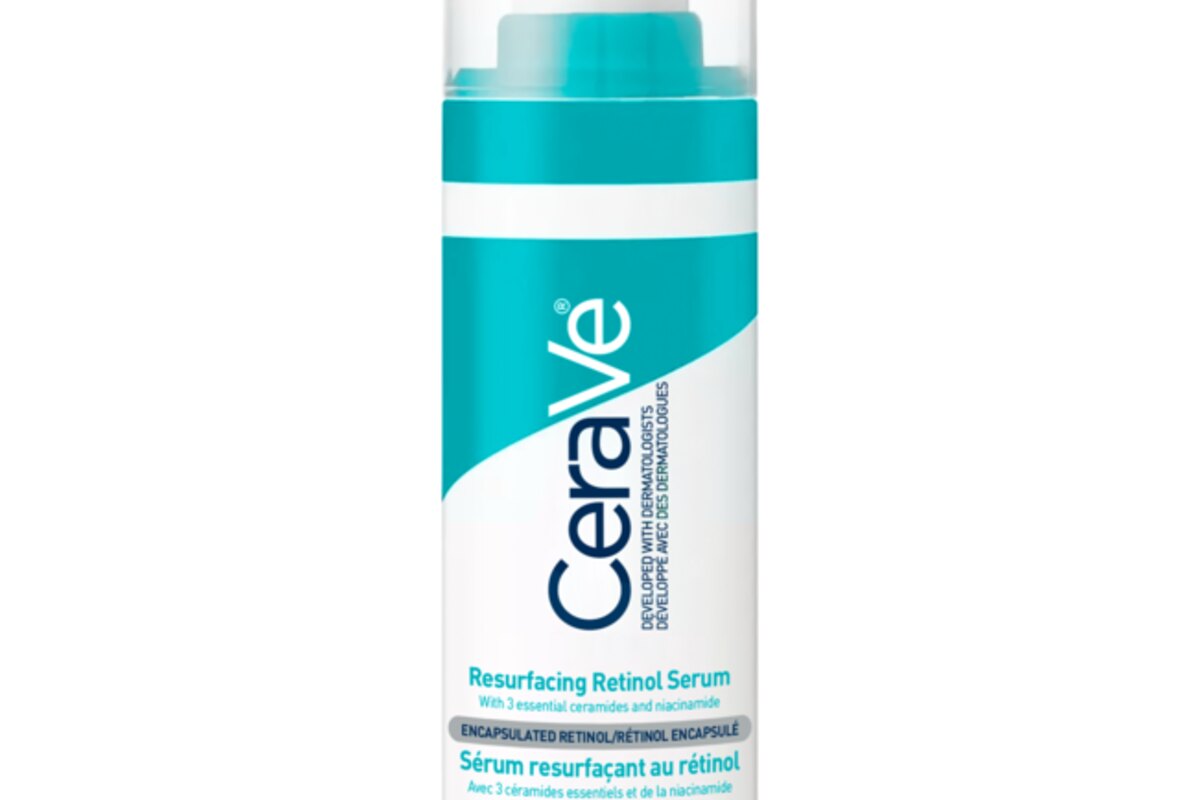
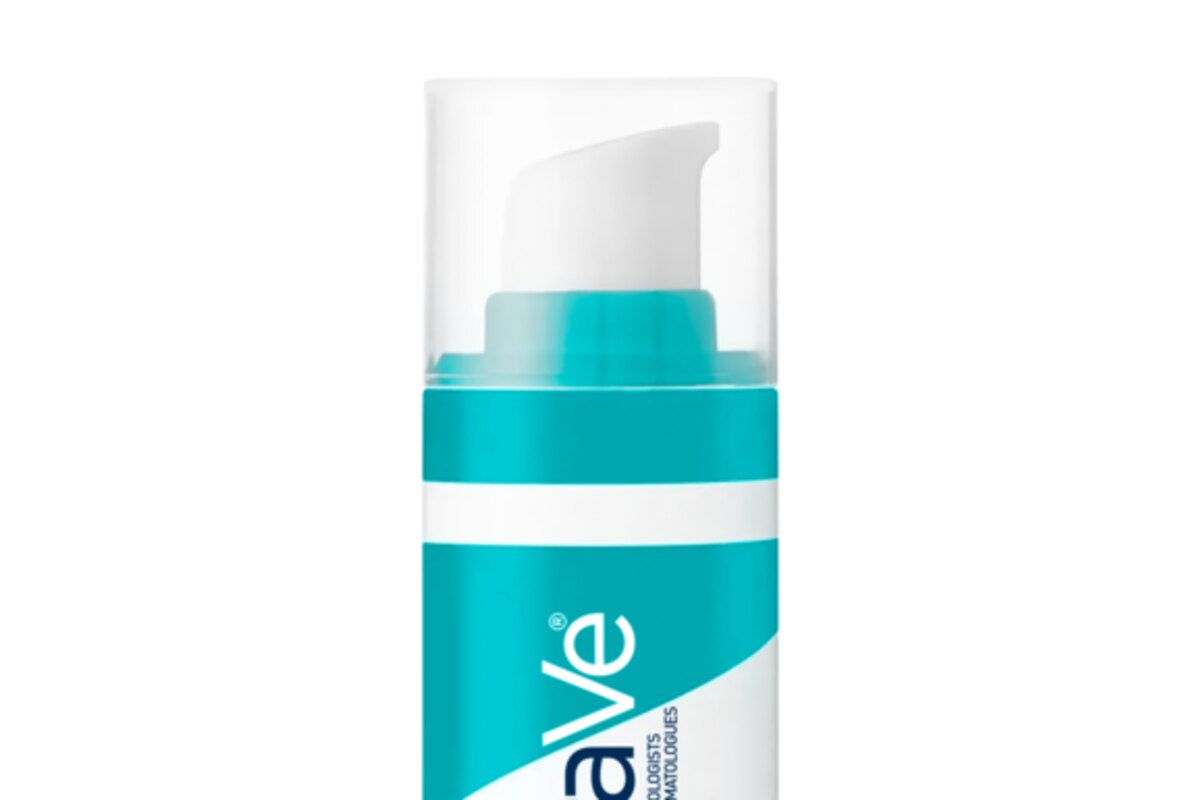
CeraVe describes this product as a resurfacing retinol serum developed with dermatologists. It is positioned for post-acne marks and pores, and the brand says it helps refine skin texture and improve smoothness. It comes in a pump bottle, which is a helpful format because retinol breaks down when exposed to light and air.
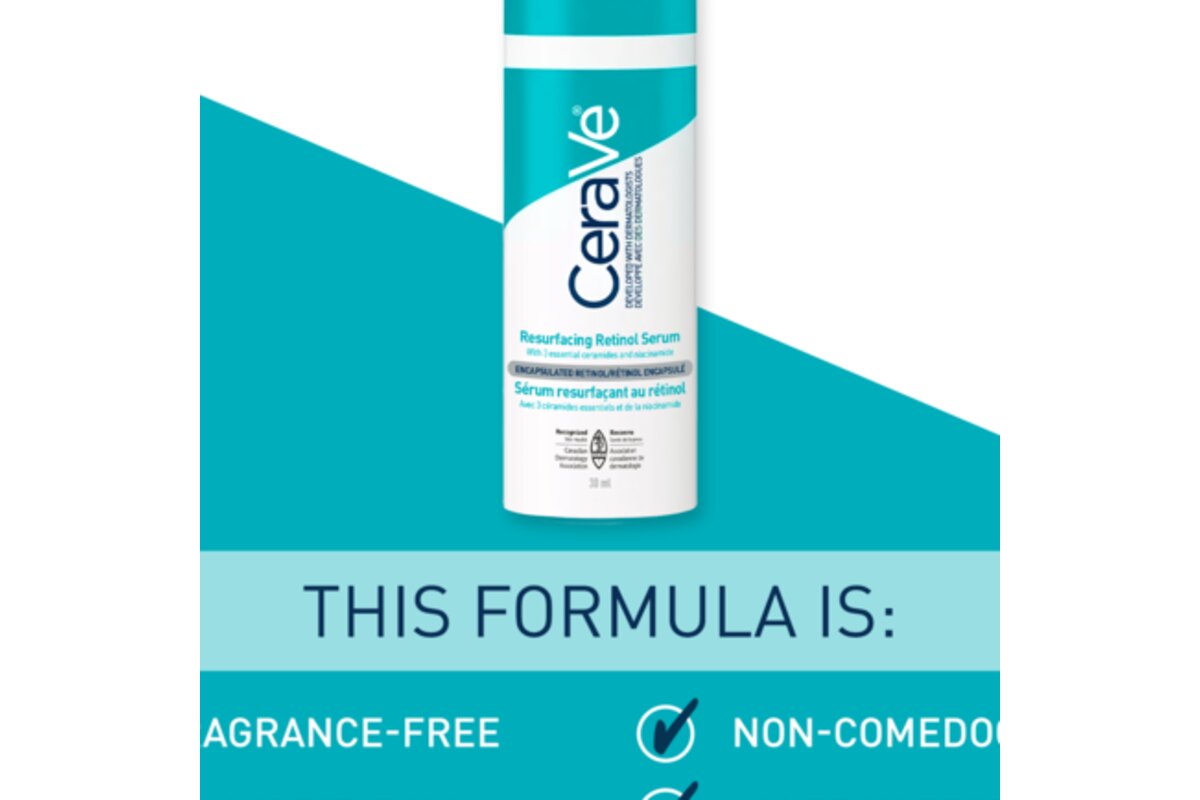
The texture is described as lightweight but moisturizing, and the brand says it is suitable for sensitive skin, non-comedogenic, fast-absorbing, fragrance-free and paraben-free. Those are manufacturer claims, but they are the kind of features beginners often look for when choosing a first retinol.
The Key Ingredients
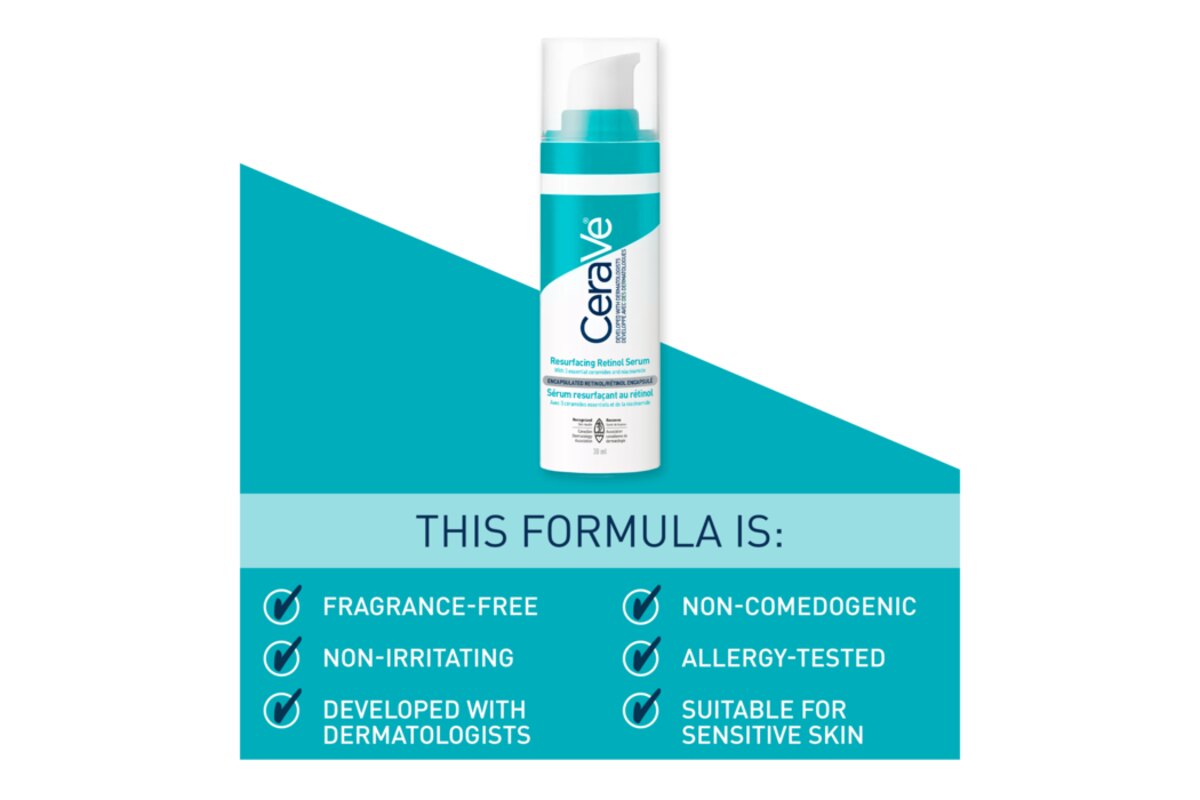
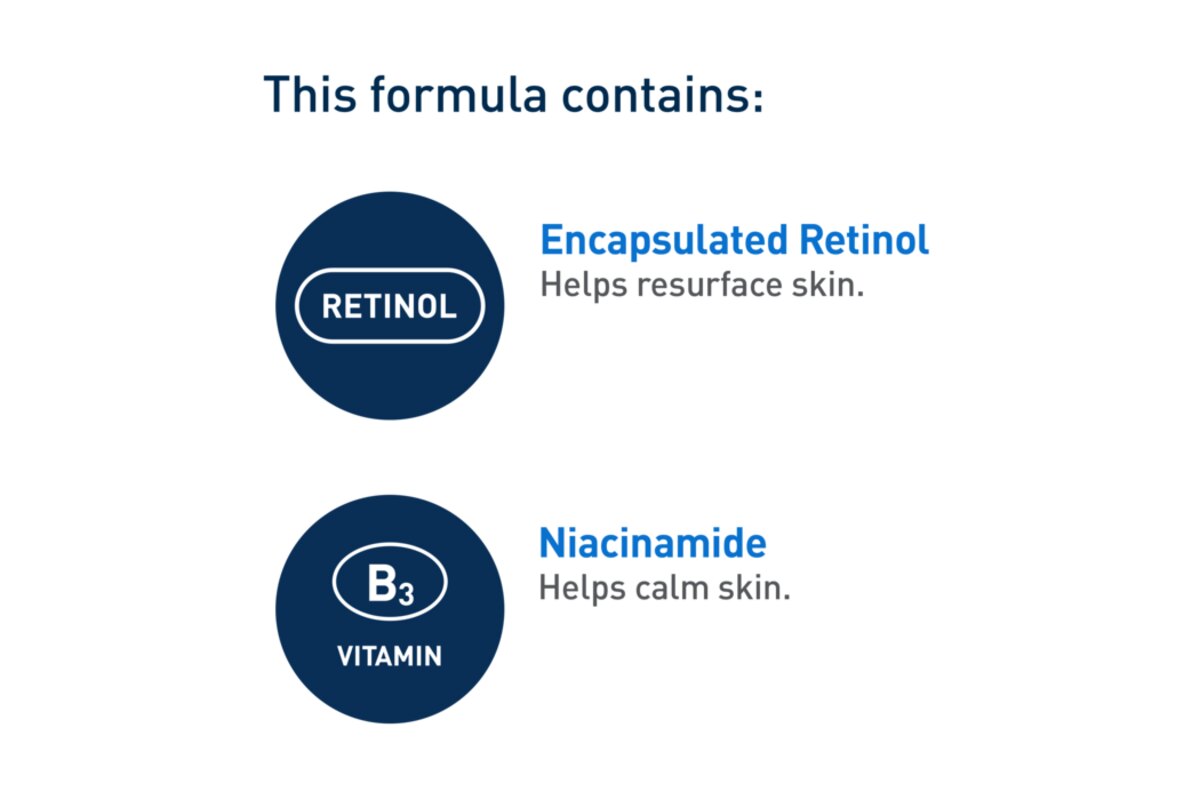
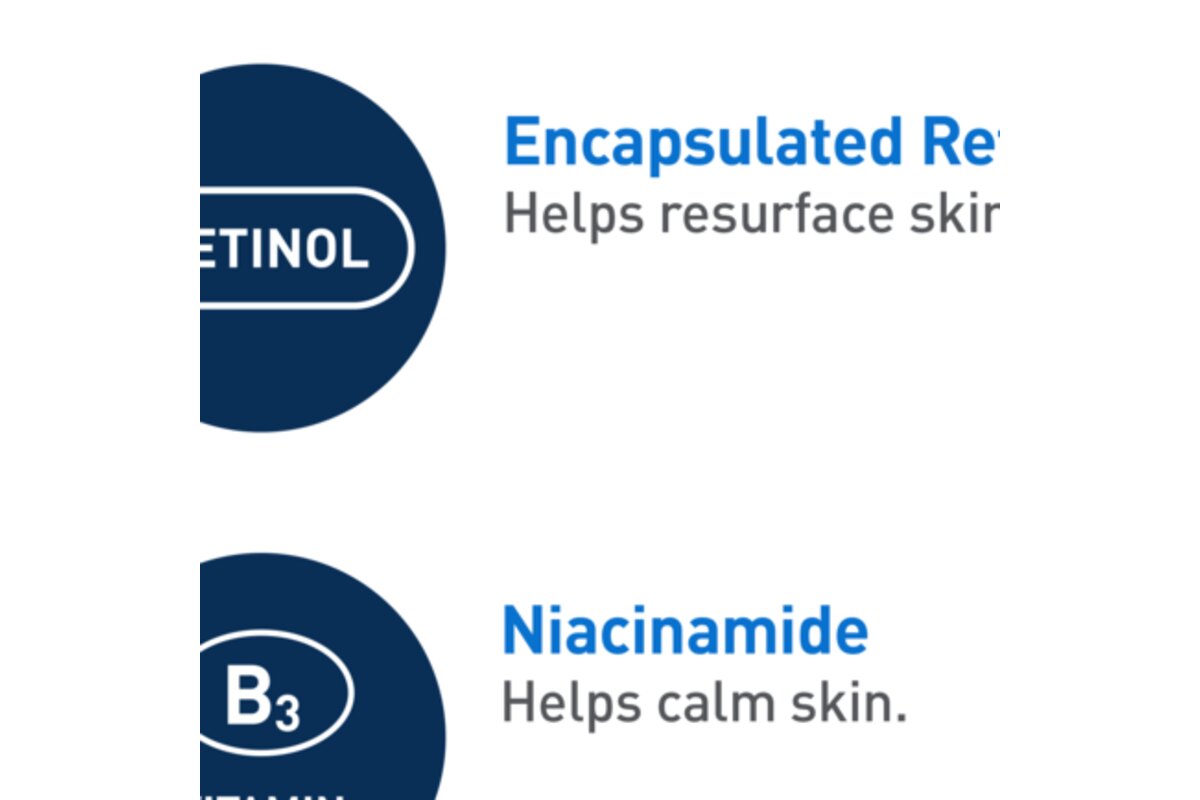
The star ingredient is encapsulated retinol, a form of vitamin A that the brand says helps resurface the skin. Encapsulation is meant to release the ingredient slowly, which can reduce the chance of irritation compared with an unprotected form.
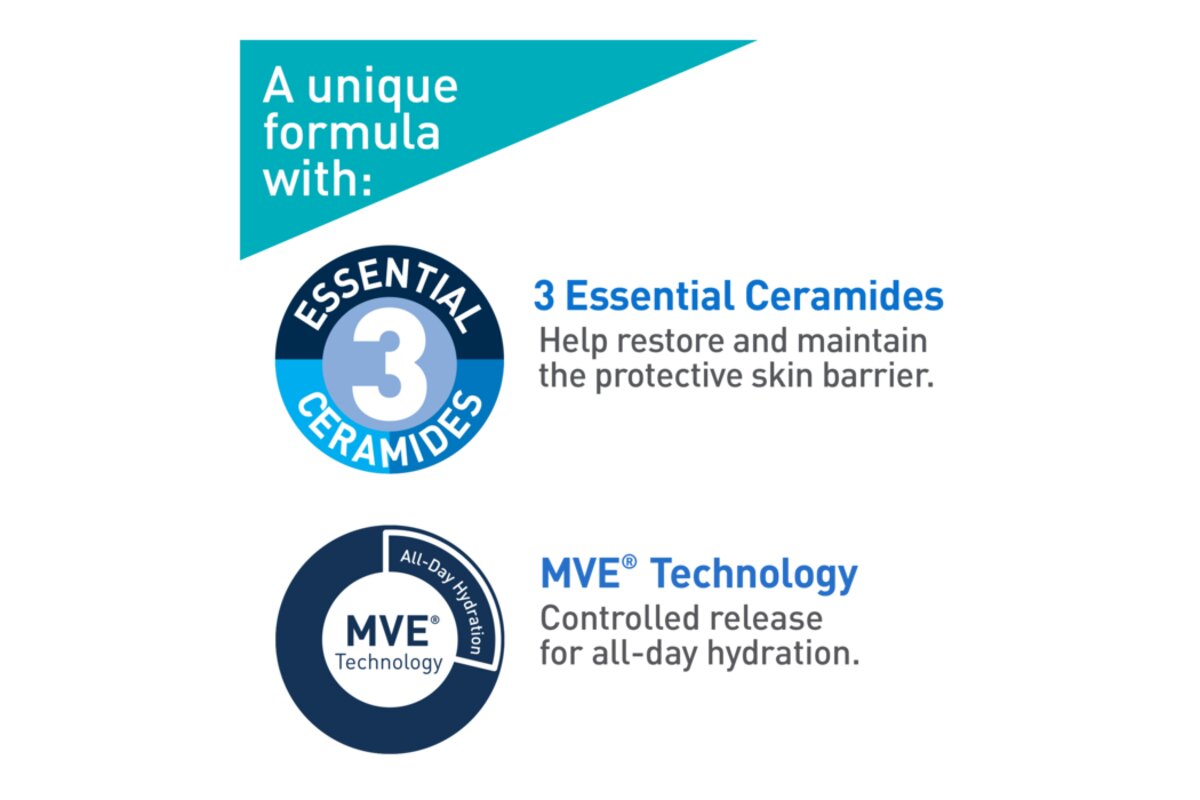
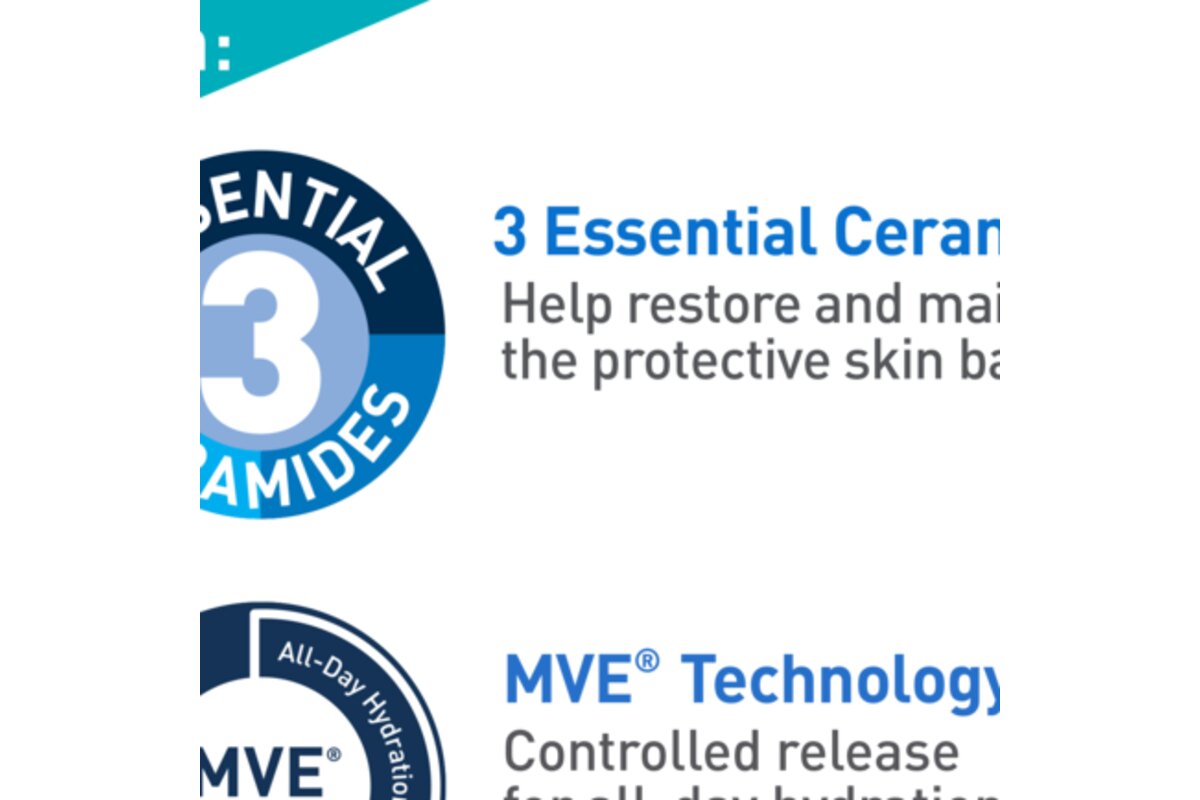
The formula is also built around three essential ceramides, listed as ceramide NP, AP and EOP, along with cholesterol and phytosphingosine, which are lipids found in the skin barrier. Niacinamide, a form of vitamin B3 the brand says helps calm skin, and hyaluronic acid are also included. The brand’s MVE delivery technology is designed to release ingredients gradually over time.
Reading the Ingredient List
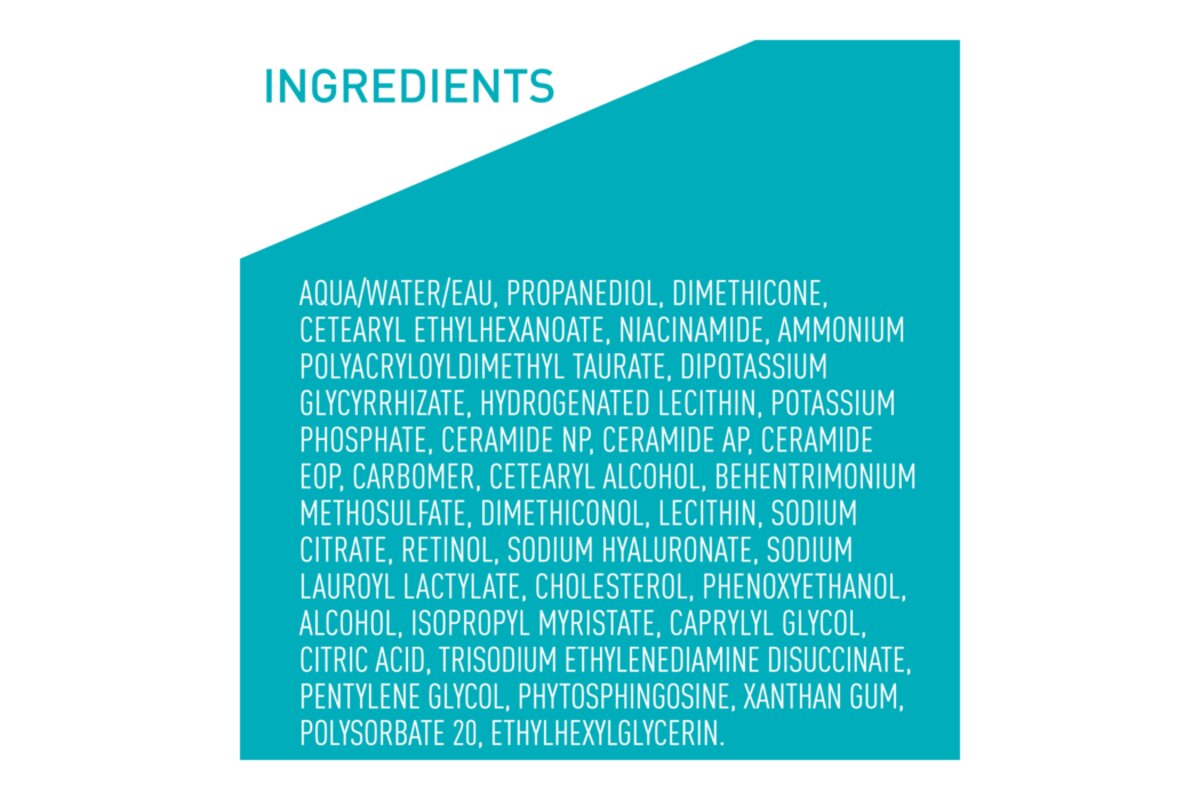
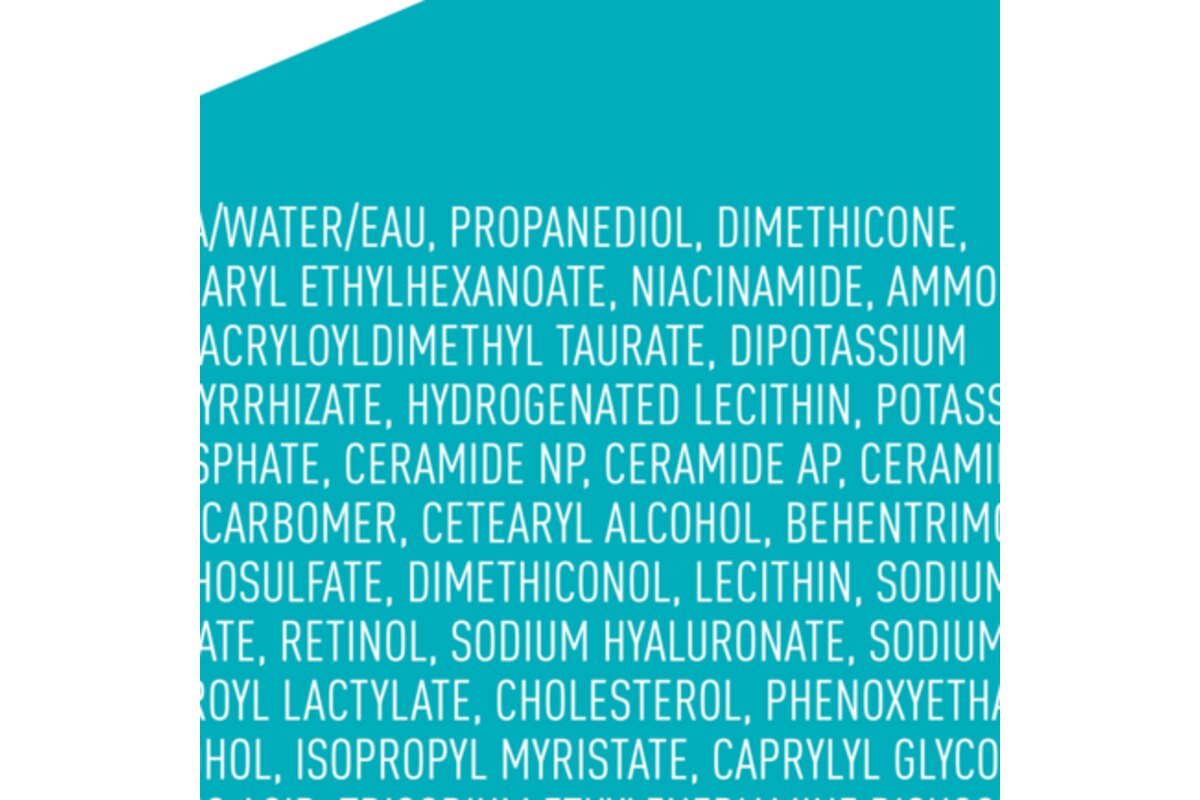
The list begins with water, propanediol and dimethicone, followed by cetearyl ethylhexanoate and niacinamide. Retinol appears further down the list, which is common for an active used at a low percentage. The brand does not publish the exact concentration on its page, so it is best to treat it as a gentle, beginner-level product.
The list also contains alcohol and isopropyl myristate, which some very sensitive skin may react to, though they are used in many cosmetic products. If you have a history of reactions to ingredients, patch test on the inside of your forearm first.
Who It May Suit
Based on the brand’s description, this serum may suit people who are new to retinol, have mild post-acne marks, or want a gentle formula that includes barrier-supporting ingredients. People with sensitive skin sometimes prefer products like this because ceramides and niacinamide are included to offset dryness.
It is not a replacement for medical treatment. If you have active, painful or cystic acne, or a skin condition such as eczema or rosacea, speak to a doctor or pharmacist before starting a retinoid. Retinoids are also generally not recommended during pregnancy, so check with a health professional if that applies to you.
How to Use It
The brand’s directions are to apply evenly to the face daily, avoid the eye area, and use sunscreen while using the product. It also advises that if discomfort occurs at the first application, you should space out applications until your skin adjusts.
Most dermatologists suggest starting slowly even with a gentle product, so a sensible approach is to use it two nights a week, then increase when your skin feels comfortable. Apply it to dry skin, use a pea-sized amount for the whole face, and follow with a moisturizer.
What the Product Images Show
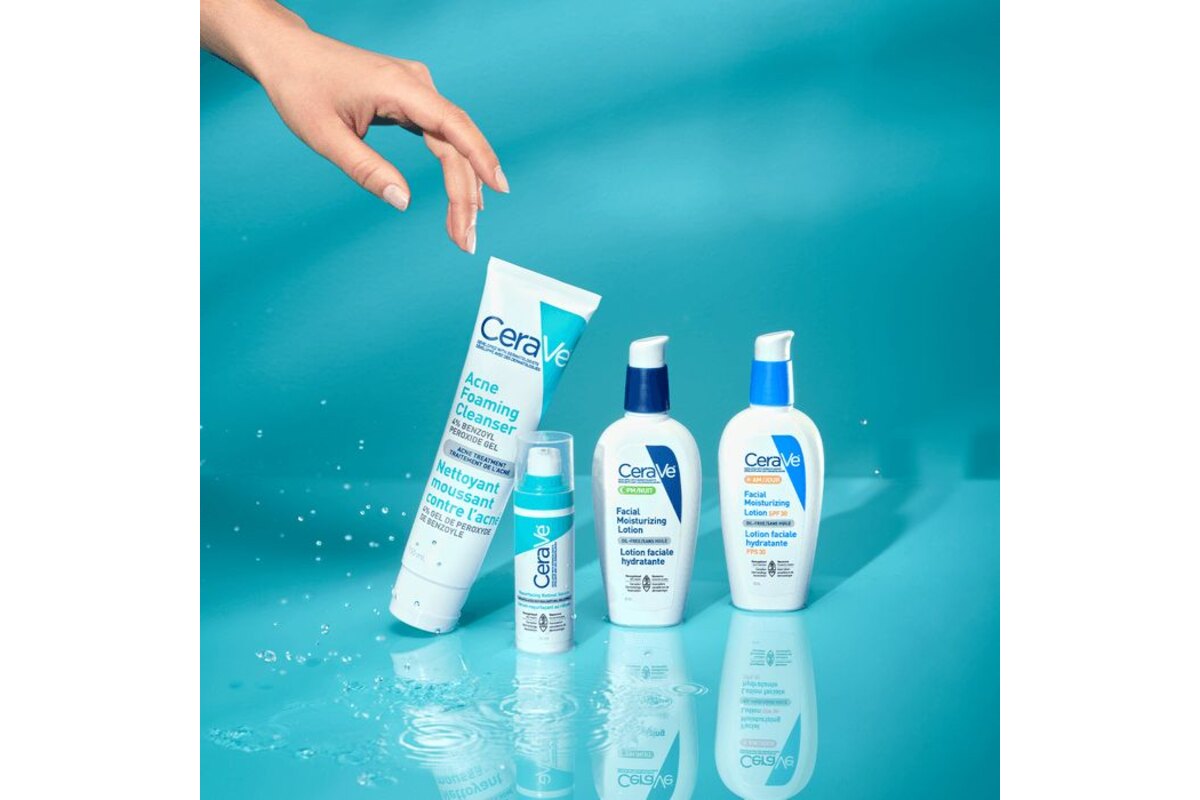
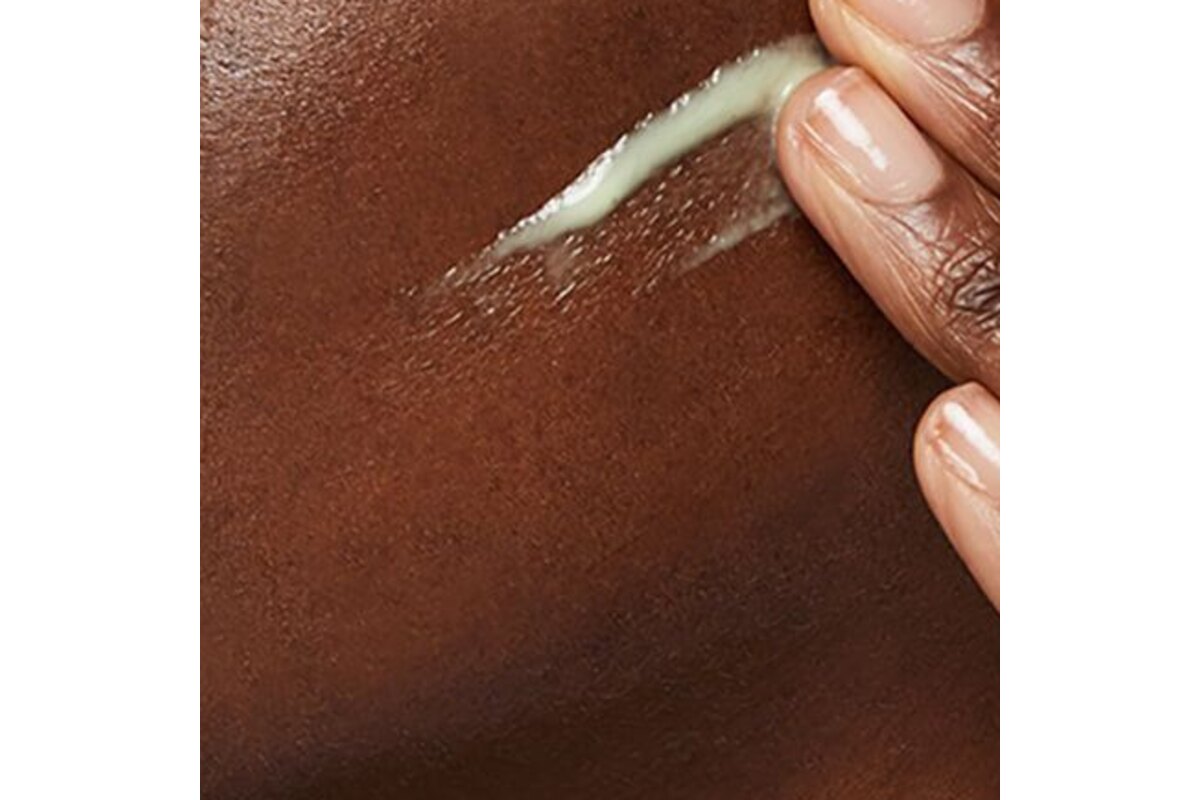
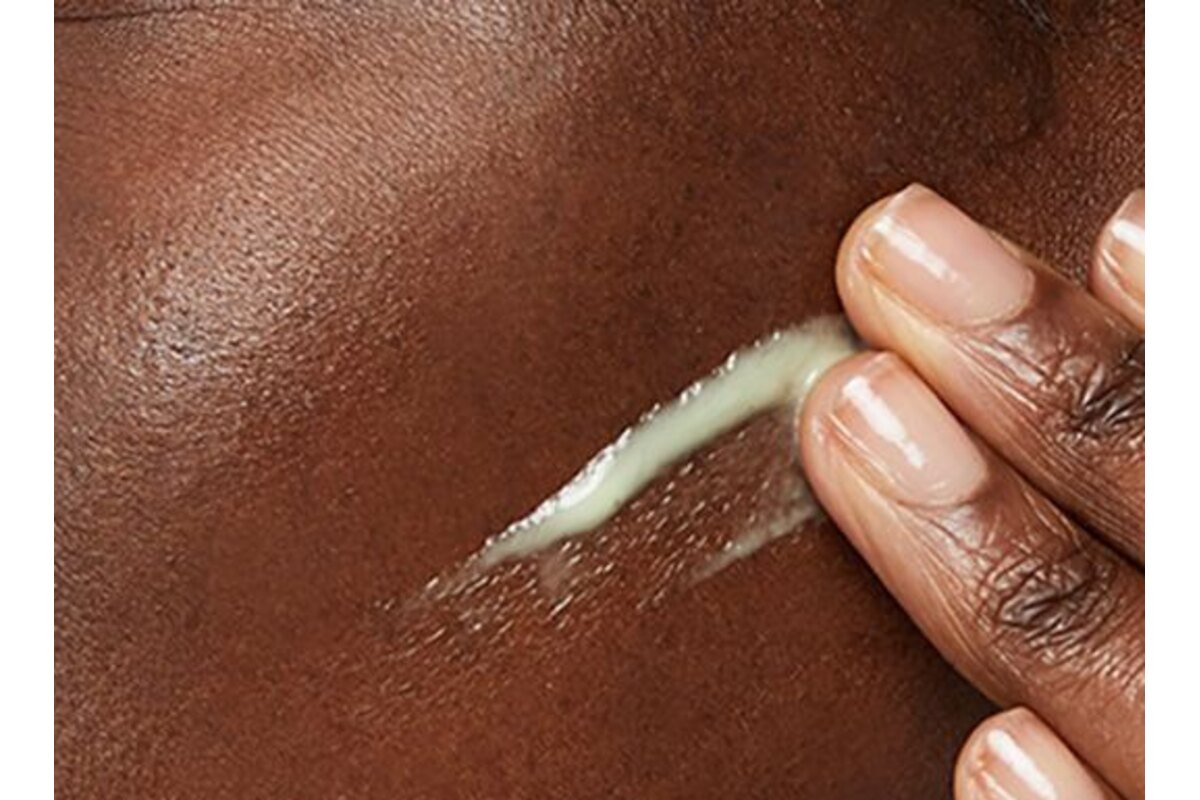
The images in this article come from the manufacturer’s product page. They include the pump bottle, an application photo on skin, and graphics that summarise the three ceramides, the encapsulated retinol and the vitamin B3 in the formula.
They are marketing images, so they show the product at its best. Think of them as a visual summary of what the brand wants you to know, and rely on the ingredient list and your own experience for the final judgement.
Your First Twelve Weeks, Week by Week
In weeks one and two, use retinol twice a week and focus on comfort. Expect little change, and keep the rest of your routine simple. In weeks three and four, if your skin feels comfortable, move to three nights a week. You may notice a little dryness, which a good moisturizer should manage.
In weeks five to eight, you may move to every other night if your skin tolerates it. This is when some people notice smoother texture and fewer clogged pores. In weeks nine to twelve, assess your progress with a photo and decide whether to stay at the current frequency or increase gradually. If your skin becomes irritated, step back for a week or two.
Retinol Myths Worth Dropping
One myth is that retinol thins the skin. In fact, retinoids tend to thicken the deeper layers of the skin over time, while the outer layer becomes smoother and more even. The temporary peeling you may see is not thinning, but increased turnover.
Another myth is that you have to feel a burn for it to work. Irritation is not a sign of effectiveness. A gentle, consistent approach often gives better results than aggressive use. A third myth is that you must avoid the sun entirely. You can go outside, but you should use sunscreen and take care in strong sun.
Retinol Around the Eyes and Neck
The skin around the eyes is thinner and more delicate, and it often shows the first signs of ageing. It can also be more prone to irritation. If you want to treat this area, use a very small amount and keep it a little away from the lash line, since the product can migrate as you sleep. Some people prefer to use a formula designed specifically for the eye area.
The neck and chest are similar. They tend to be more sensitive and have fewer oil glands, so introduce retinol there slowly or use a lower concentration than you use on your face. Good sunscreen habits matter on these areas just as much as on the face.
Choosing a Formula
Retinol comes in serums, creams, and oils. Creams tend to be gentler because they usually include moisturizing ingredients that buffer the active. Serums can feel lighter but may be more irritating for dry or sensitive skin. Look for products in opaque, airtight packaging such as pumps or tubes, because retinol breaks down when exposed to light and air.
Check the rest of the ingredient list as well. Formulas that include soothing ingredients like niacinamide, ceramides, panthenol, or squalane can make the adjustment period smoother. If you have reactive skin, try to avoid products that also contain fragrance or a long list of other actives, since they make it harder to tell what is causing a reaction.
Making Retinol Part of a Sustainable Routine
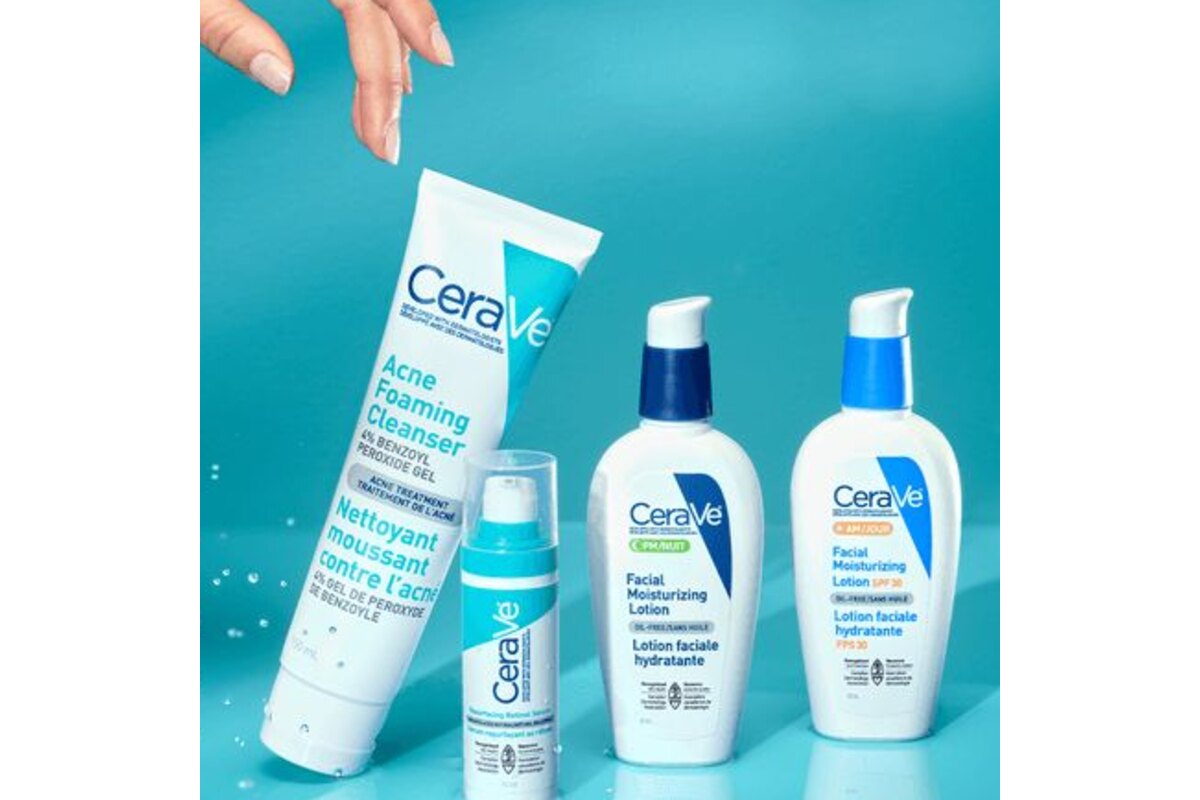
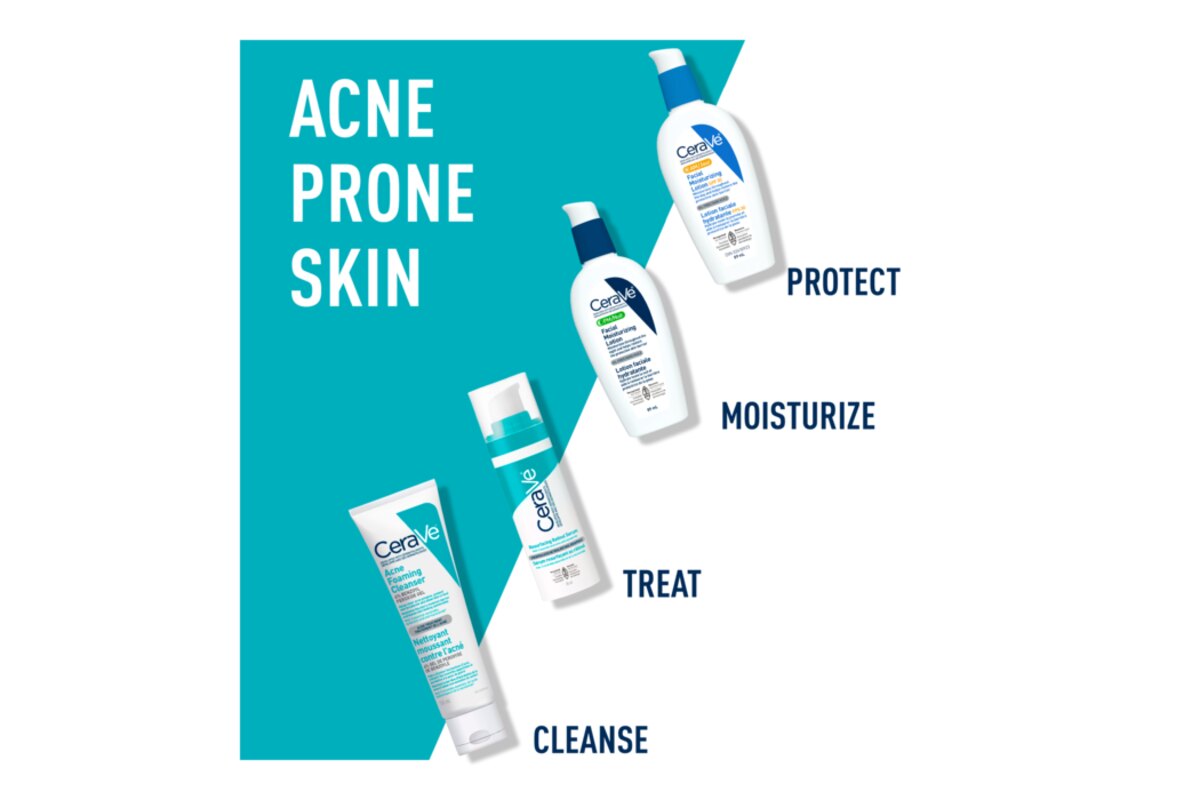
The people who benefit most from retinol are the ones who can stick with it for months, so design your routine around that. Keep the rest of your routine gentle: a mild cleanser, a simple moisturizer, and sunscreen. Avoid adding extra products at the same time, since it will be harder to tell whether a reaction comes from the retinol or something else.
Pick a consistent night of the week to use it and mark it in your calendar. Some people tie it to another habit, such as using it on the same nights as they change their pillowcase. If you miss a night, do not double up; simply carry on with your normal schedule.
Retinol, Retinal and Prescription Retinoids
Retinol is only one member of a larger family. Retinyl esters are the gentlest and weakest, retinol is the most common over-the-counter choice, retinaldehyde, often called retinal, is stronger and works more quickly, and prescription options like tretinoin are the most potent. The further along that list you go, the greater the effect and the greater the chance of irritation.
For beginners, retinol or a mild retinyl ester is the sensible place to begin. If your skin tolerates it well for several months and you want faster results, you can ask a doctor or pharmacist about stepping up. Skipping straight to a strong prescription product is rarely a good idea without guidance.
Understanding the Purge
Some people experience a period of breakouts in the first few weeks of using a retinoid, often called purging. Because retinoids speed up cell turnover, congestion that was already forming beneath the surface may appear all at once. This usually settles within four to six weeks and tends to show up in places where you normally break out.
A reaction is different. If you notice breakouts in new areas, a persistent rash, or burning and redness, that suggests irritation or an allergy rather than a purge. Stop using the product and give your skin time to recover before deciding whether to try again at a lower strength.
Setting Realistic Expectations
Retinol is not an instant fix. Texture and breakouts may improve in a couple of months, while fine lines and sun damage can take six months or longer to show a difference. Take a photo in the same lighting once a month, because gradual changes are easy to miss in the mirror.
It also does not replace other basics. Sunscreen, moisturizer, and a healthy routine all contribute to how your skin looks. Retinol is a long-term tool, and the people who see the most from it are usually the ones who stay consistent and gentle for the long run.
What to Combine and What to Separate
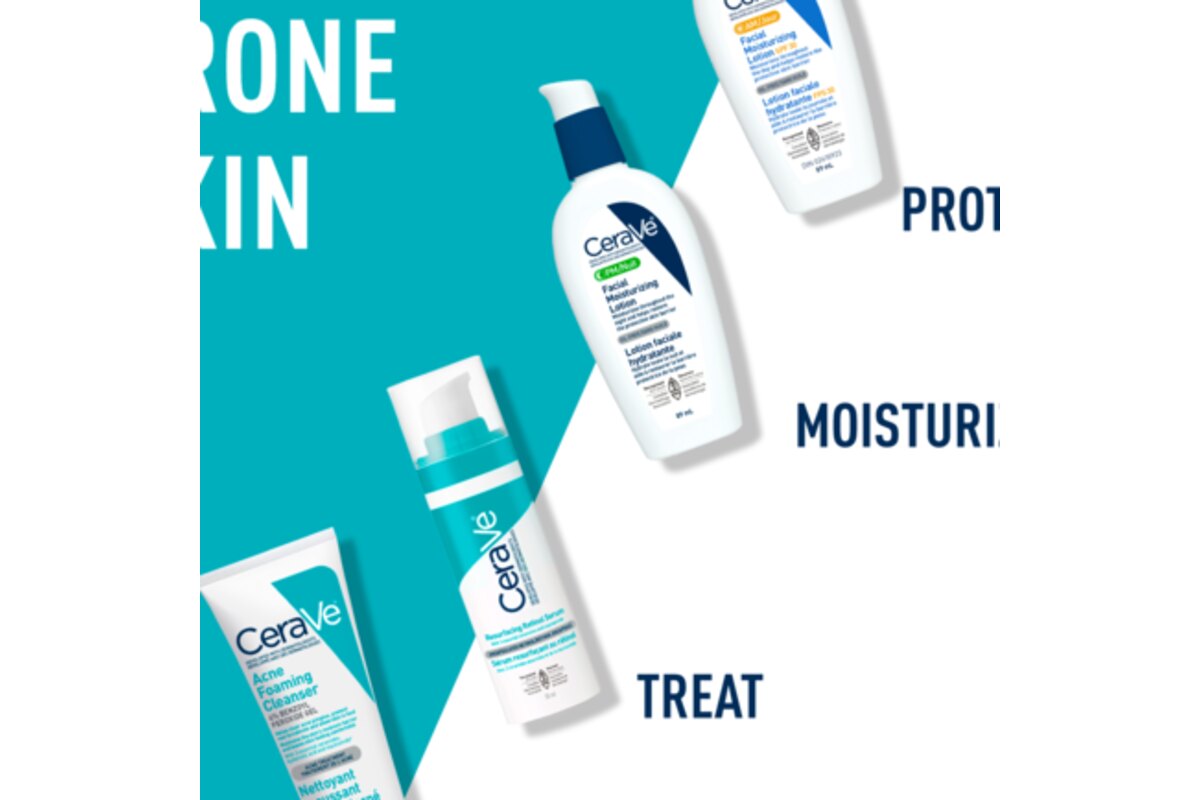
Retinol works well alongside simple, supportive products such as gentle cleansers, moisturizers, and sunscreen. Be more careful when combining it with other strong actives. Using retinol on the same night as strong exfoliating acids, benzoyl peroxide, or high-strength vitamin C can increase the chance of irritation.
A simple approach is to put vitamin C and sunscreen in the morning and retinol at night. If you also use exfoliating acids, use them on different nights from your retinol. Keeping your routine simple helps you see how your skin is responding and avoid piling on products at once.
Frequently Asked Questions
Can I use this every night? Many people eventually can, but there is no need to rush. The right frequency is the highest one your skin tolerates comfortably.
Can I use it with vitamin C? Many people use vitamin C in the morning and retinol at night, which separates them and lets each do its job.
How long before I see results? Smoother texture can show in six to twelve weeks, while changes in fine lines and pigmentation may take several months.
Do I still need sunscreen? Yes. Daily broad-spectrum sunscreen is essential while using any retinoid.
The Bottom Line
CeraVe Resurfacing Retinol Serum is a gentle, ceramide-supported entry point to retinol, built for people who want to improve texture and the look of post-acne marks without a harsh formula. Start slowly, protect your skin from the sun, and give it a few months. If you have a skin condition, are pregnant, or are unsure, ask a professional first.