CeraVe Hydrating Facial Cleanser: A Closer Look at a Drugstore Staple
A cleanser is the one product that nearly every routine includes, and CeraVe Hydrating Facial Cleanser is one of the most recommended gentle options. It is a non-foaming, lotion-like face wash made for normal to dry skin.
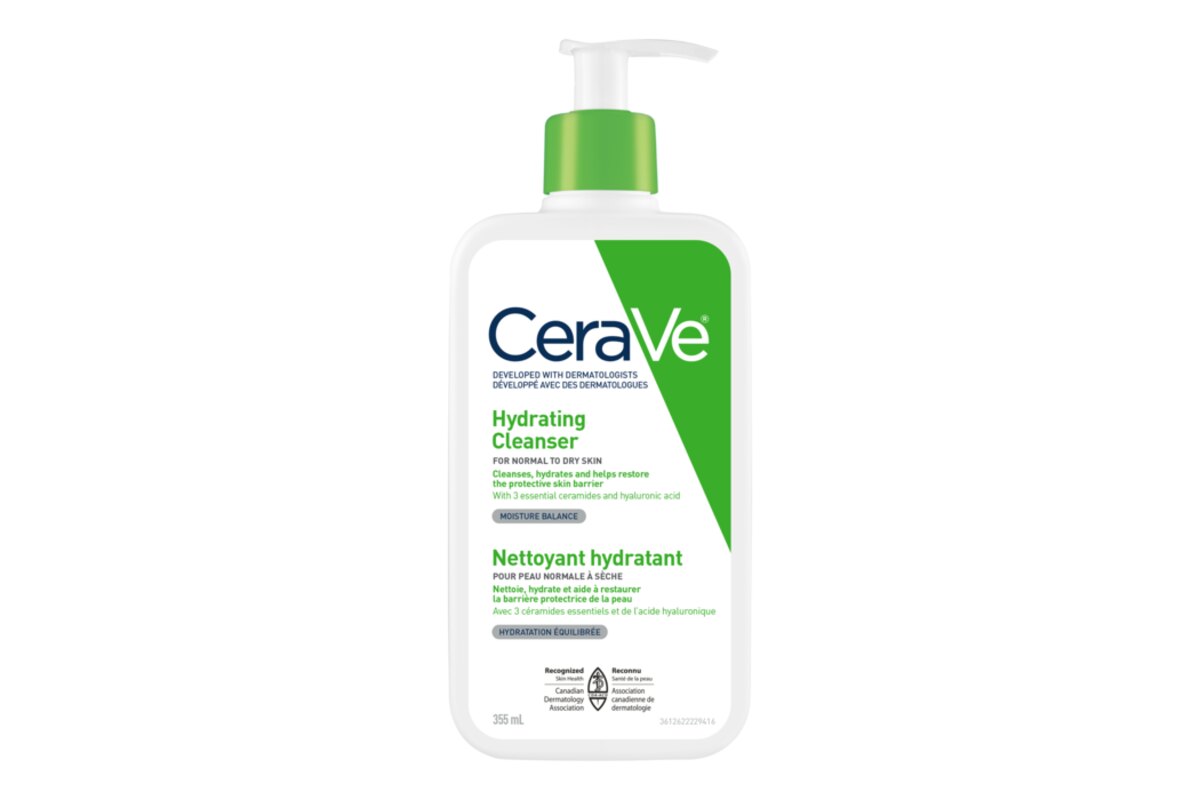
A quick note on how this article was written: it is a product overview built from the manufacturer’s published product page, its ingredient list, and general skincare and makeup knowledge. It is not a record of hands-on testing, and the product photos are the brand’s own.
Here is what the brand says about it, what the ingredient list shows, and where a cleanser like this fits in a simple routine.
What This Cleanser Is
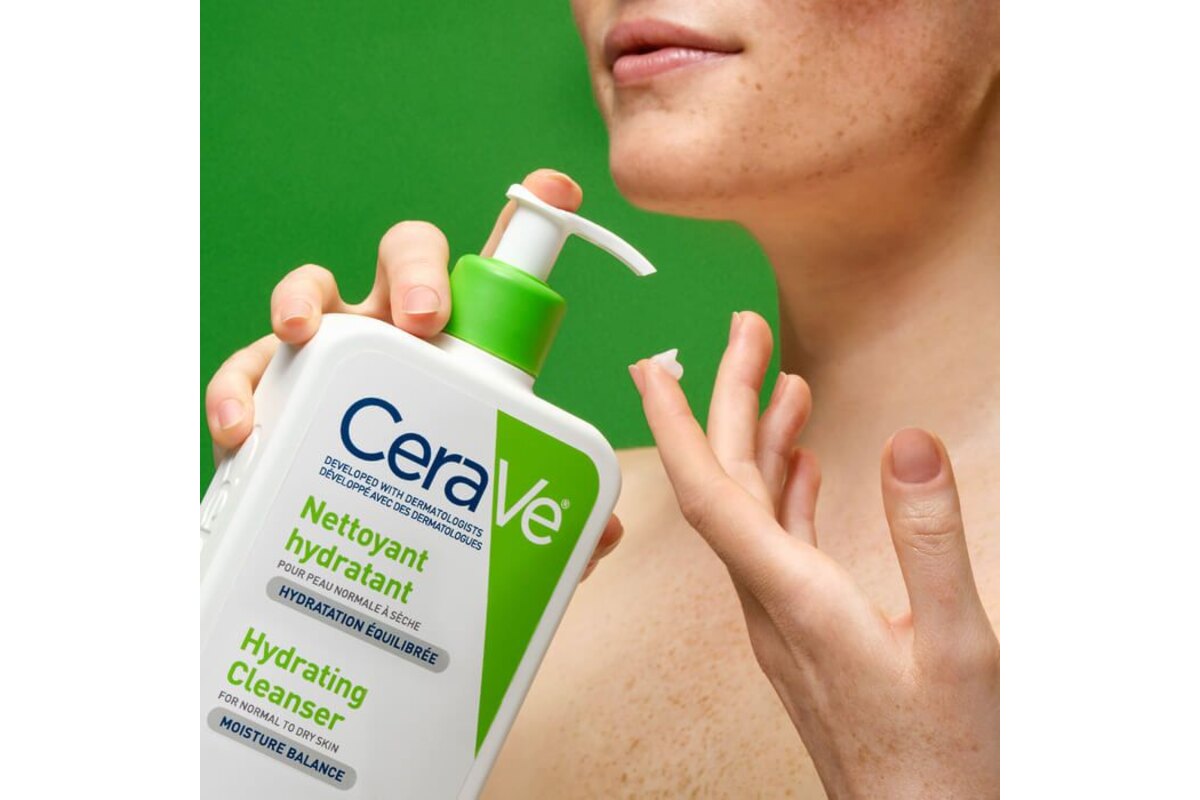
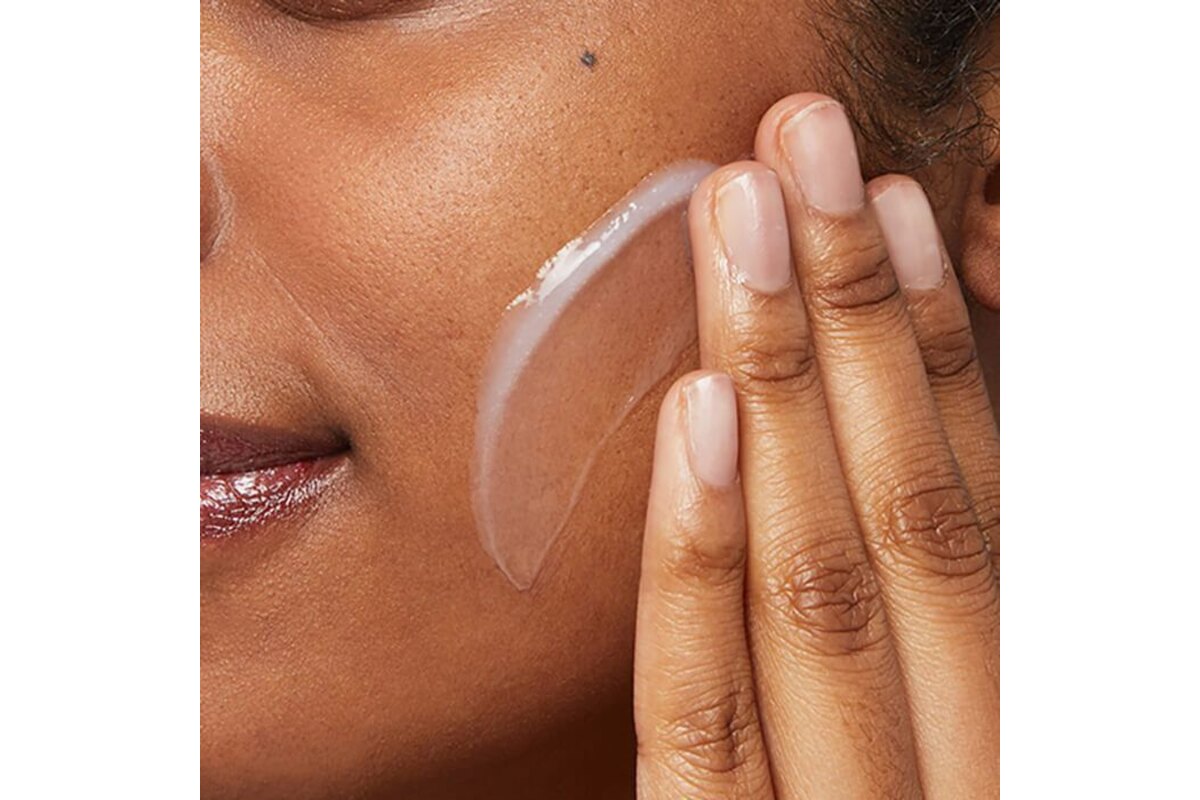
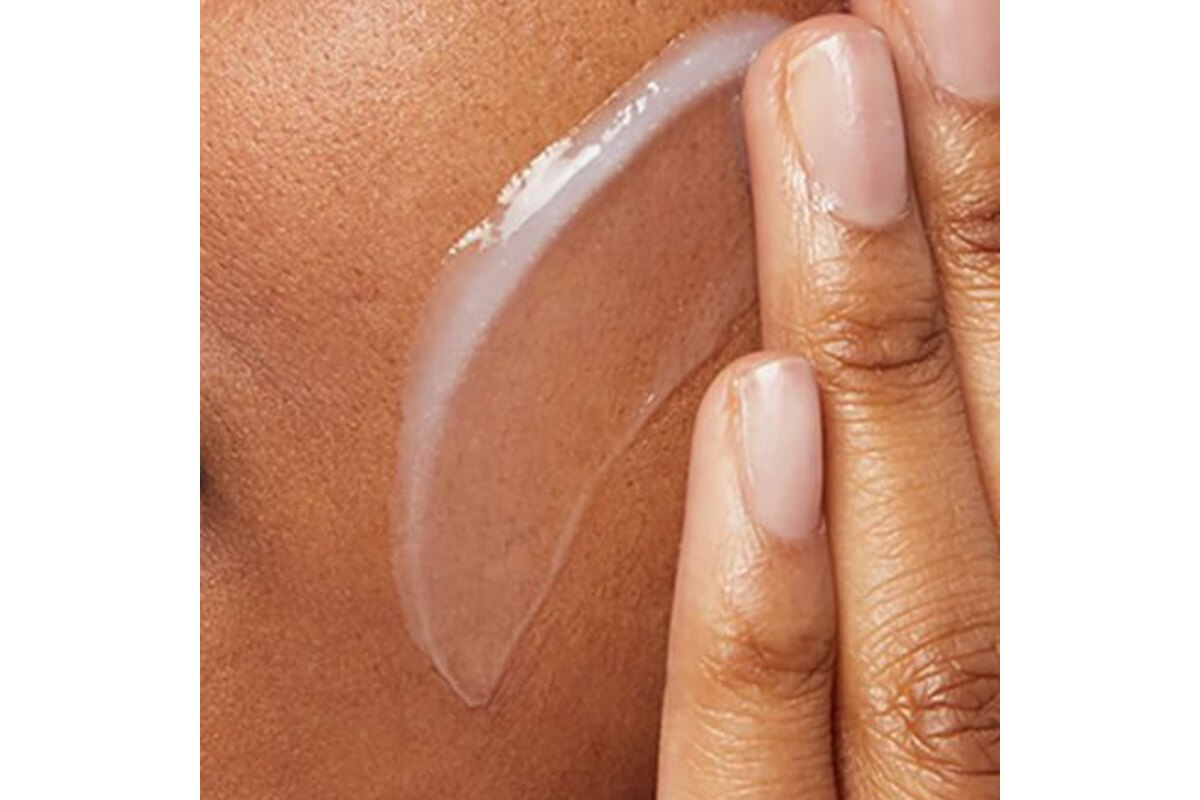
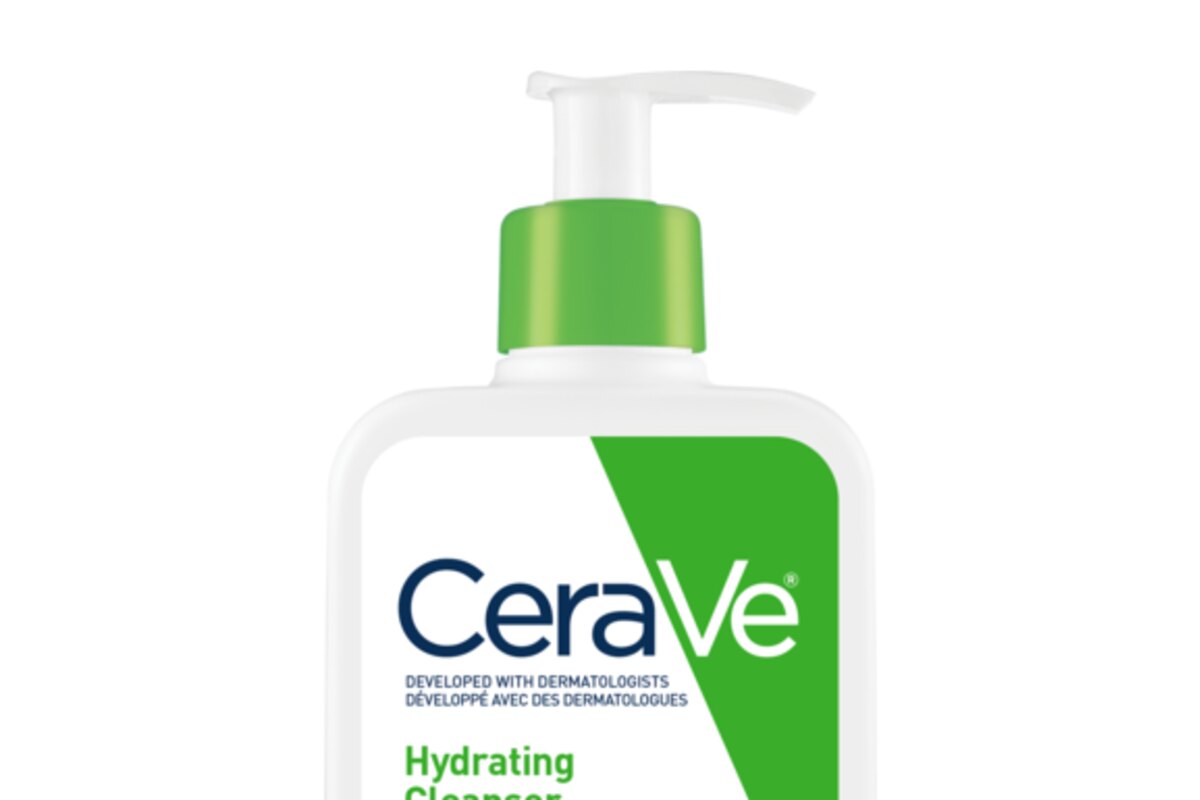
CeraVe describes Hydrating Facial Cleanser as a gentle, lotion-like face wash for normal to dry skin that removes dirt and makeup while delivering hydration. It is non-foaming, which means it cleans with a creamy texture rather than lather.
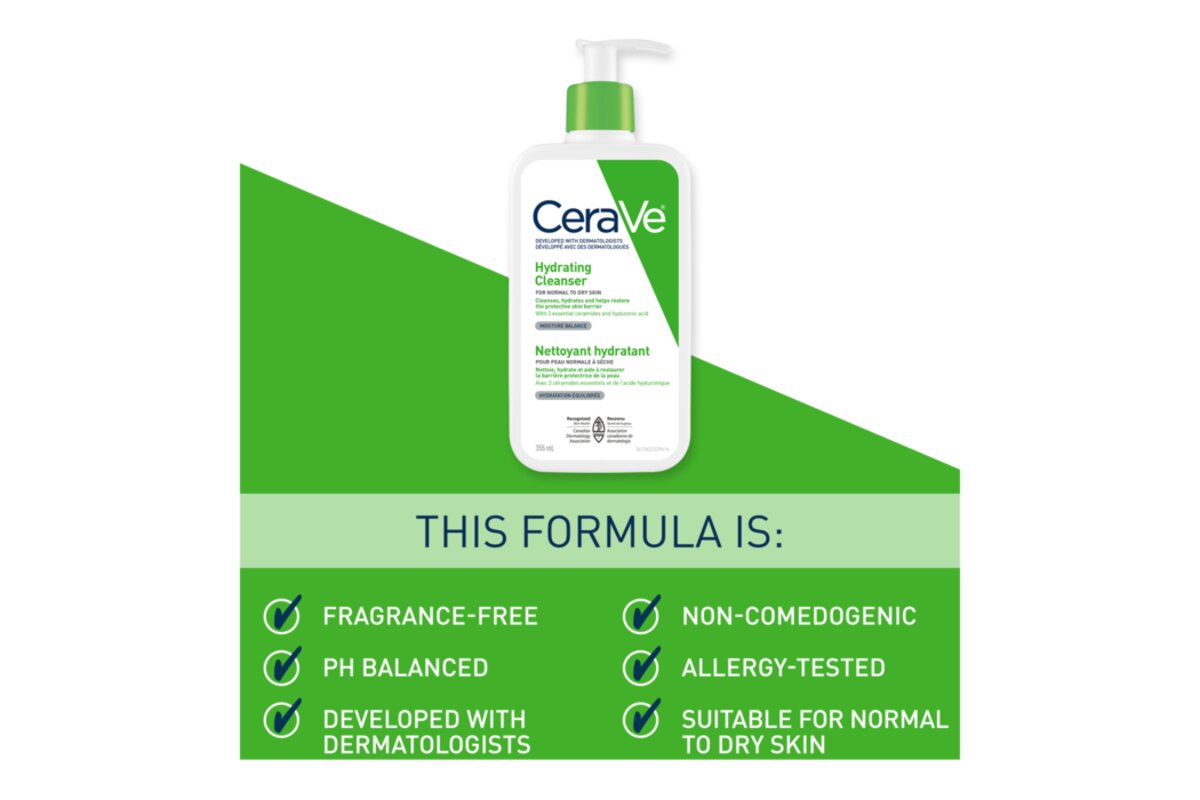
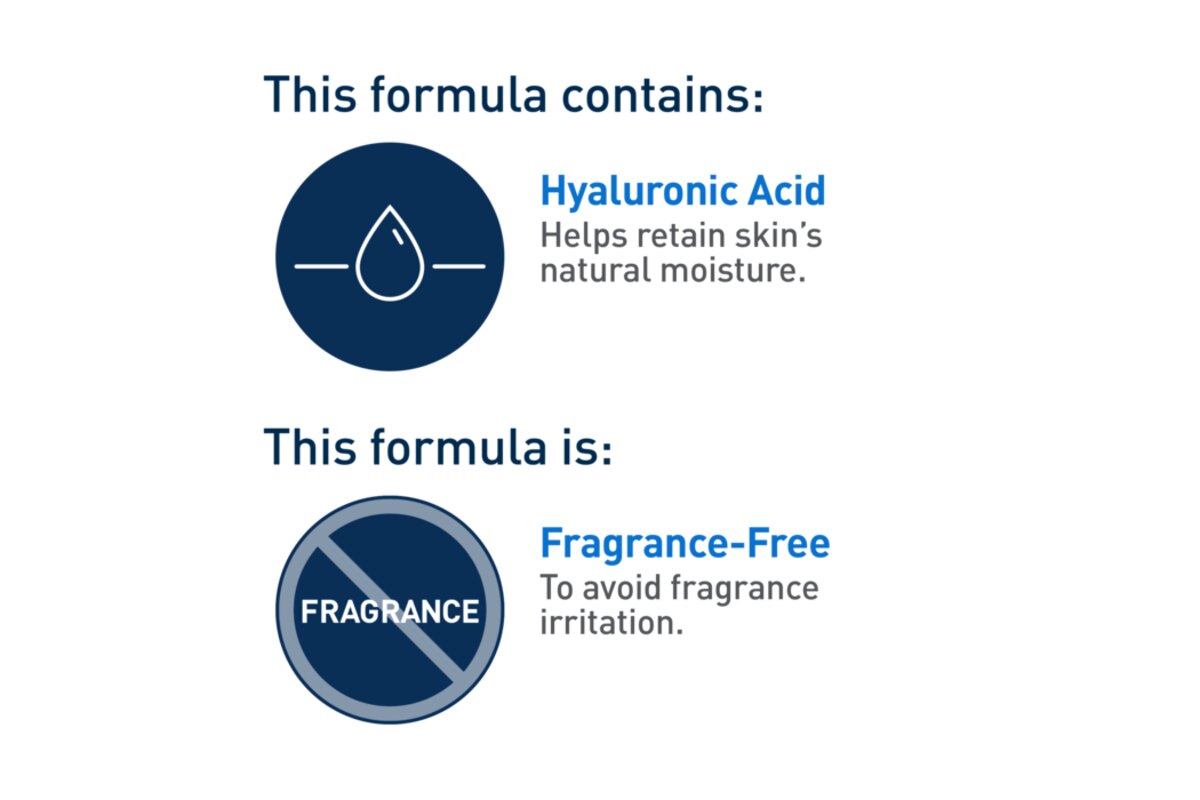
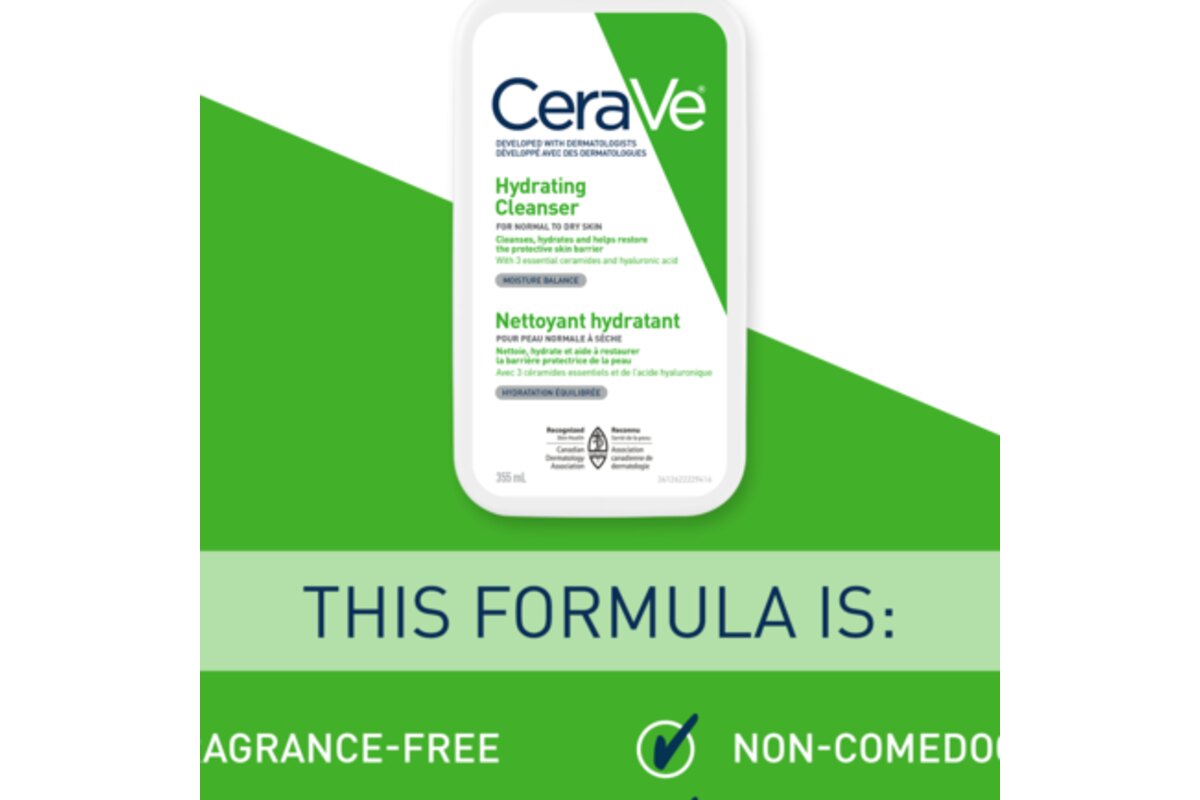
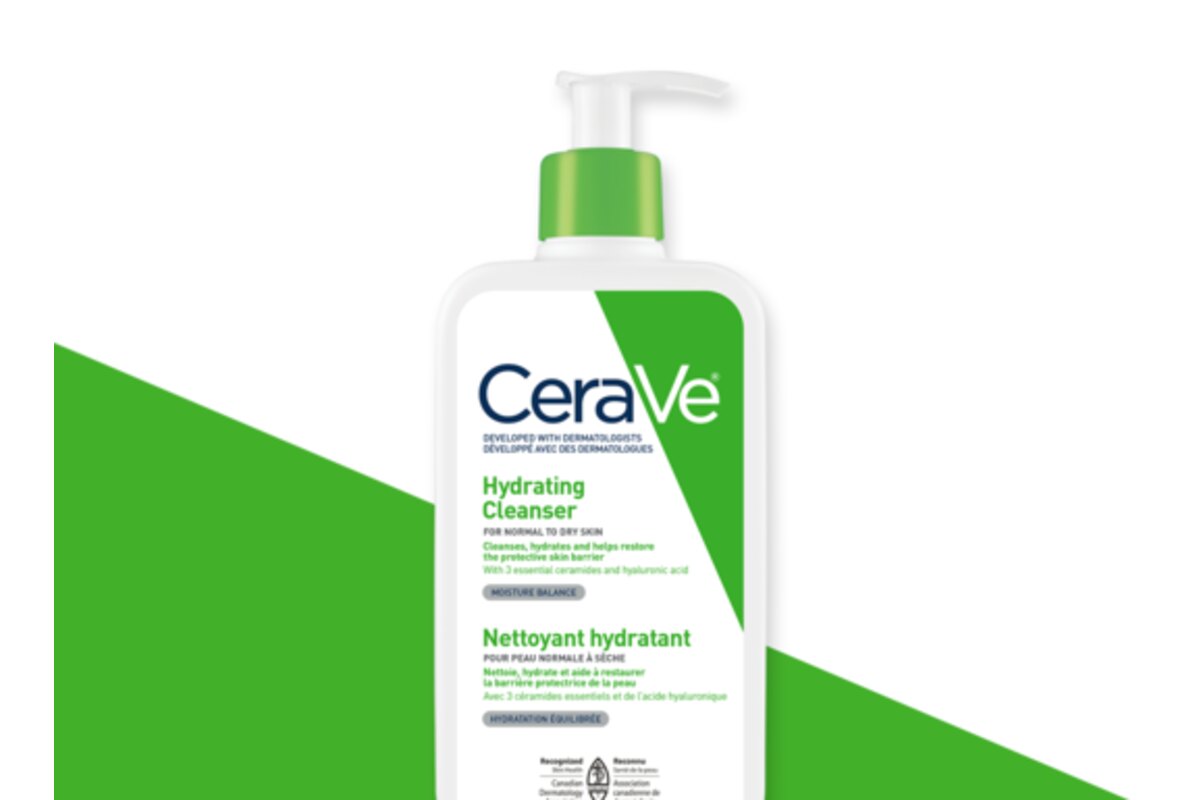
It is sold in several sizes, from 87 ml up to 562 ml, so you can try a small bottle before committing. The brand calls it non-comedogenic, fragrance-free and paraben-free, and says it is pH balanced and suitable for sensitive skin.
The Ingredients
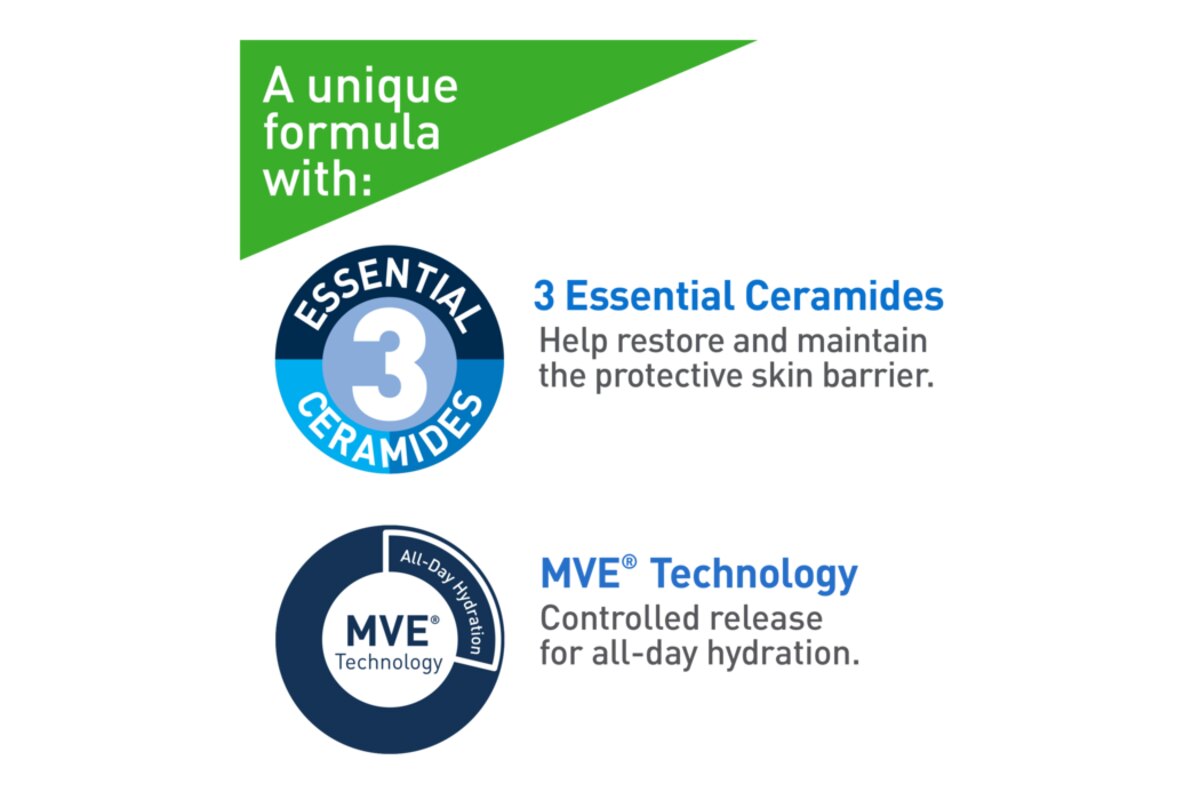
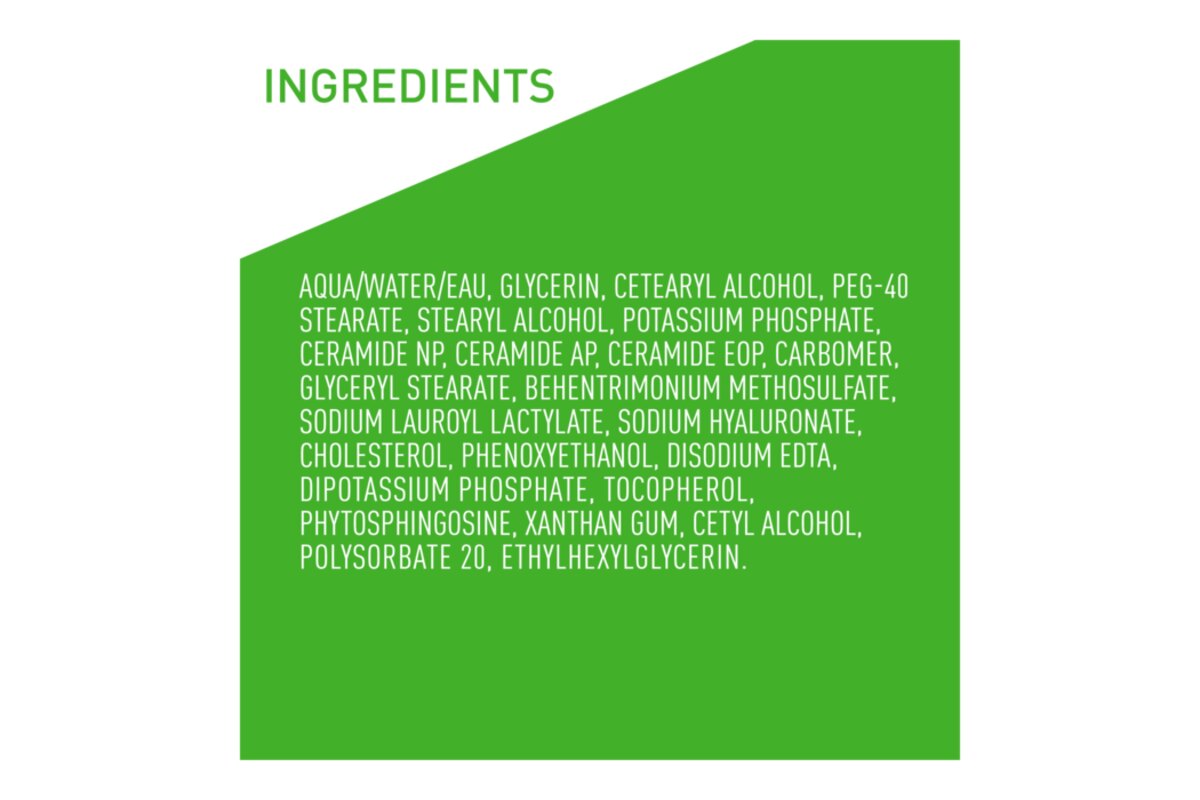
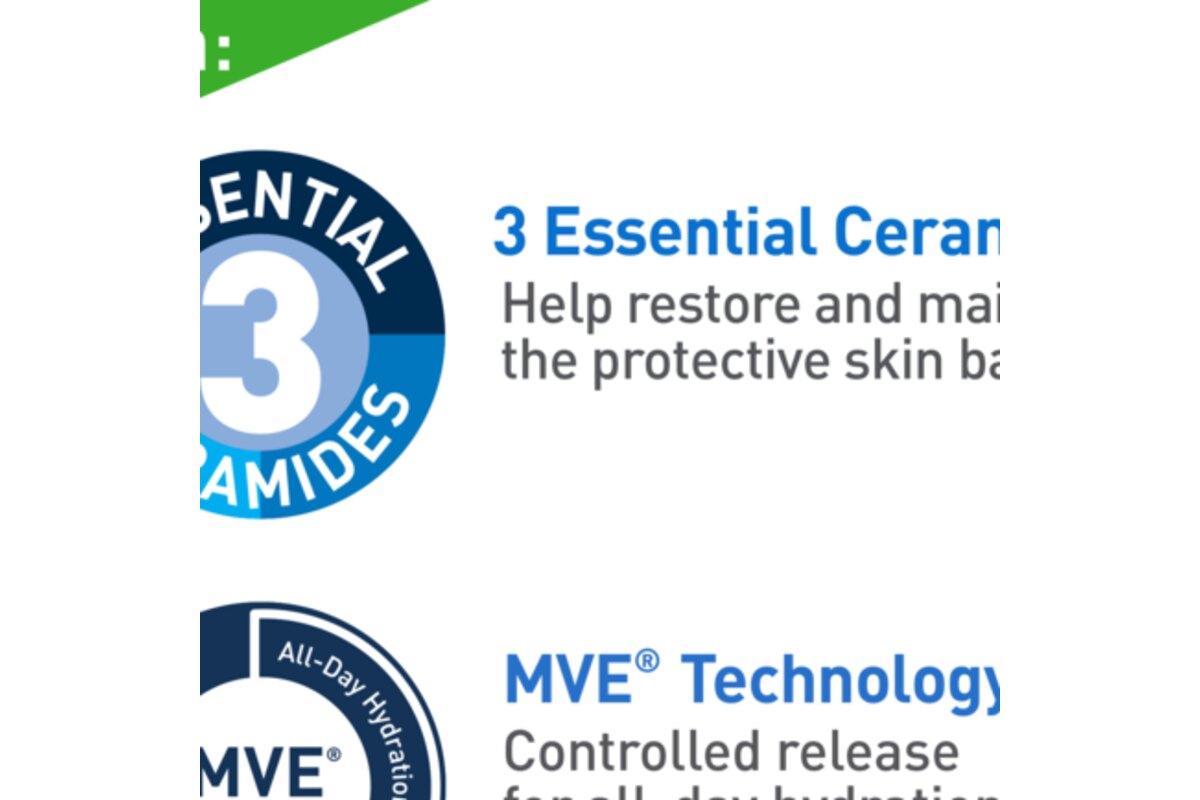
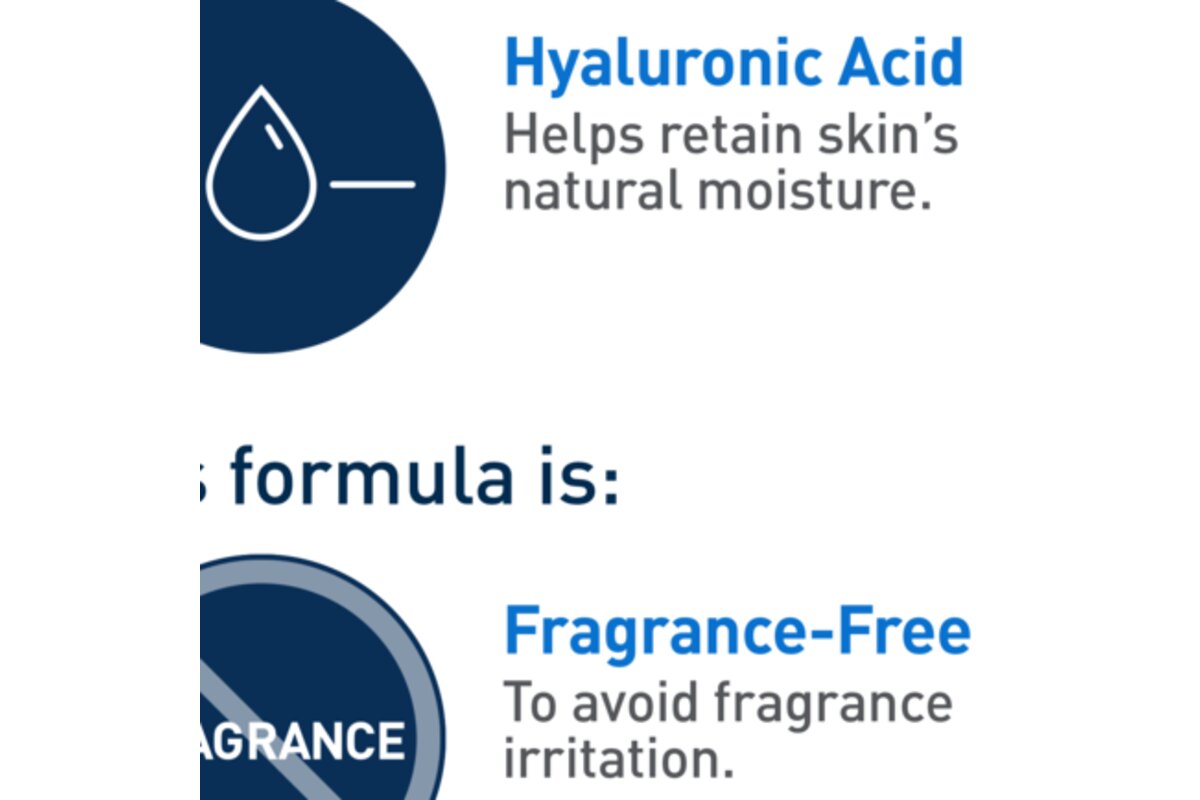
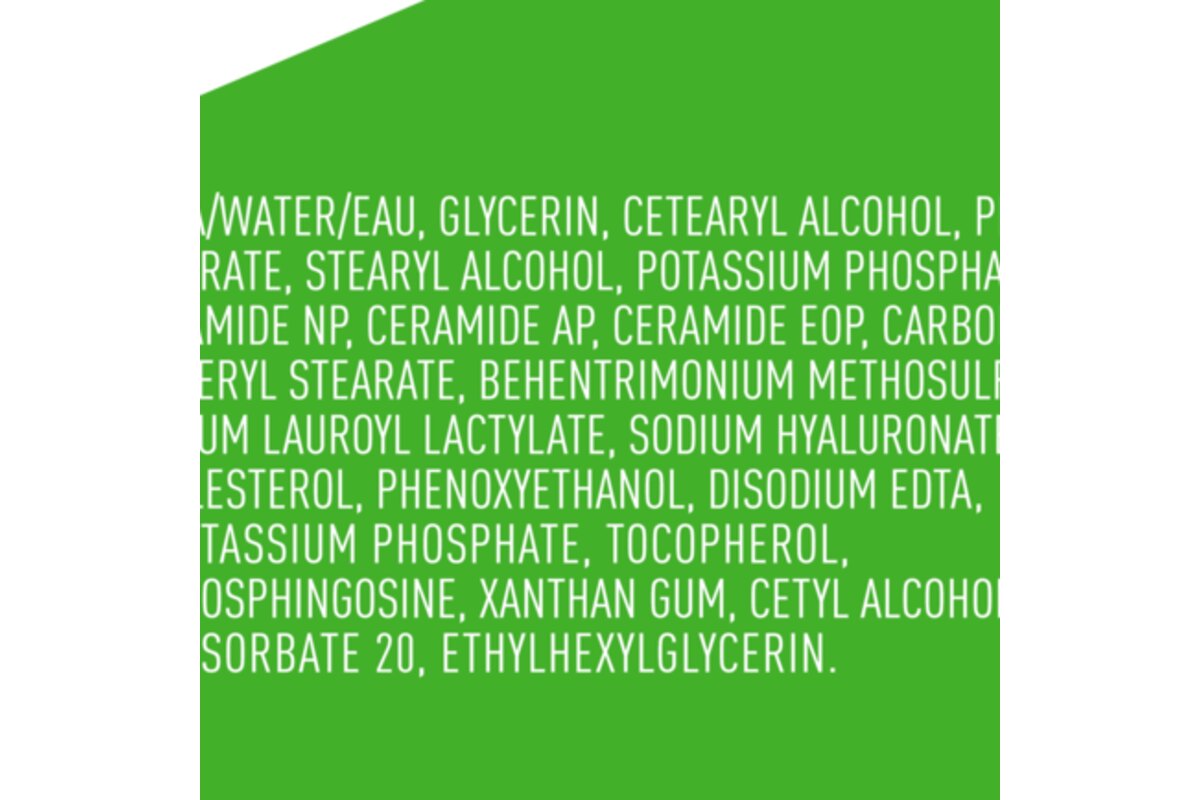
The list starts with water and glycerin, followed by cetearyl alcohol, PEG-40 stearate and stearyl alcohol, which form the creamy base. The formula includes ceramide NP, ceramide AP and ceramide EOP, cholesterol and phytosphingosine, which are lipids found in the skin barrier, and sodium hyaluronate, a form of hyaluronic acid.
CeraVe says it uses MVE technology, a delivery system meant to release ingredients over time. The preservatives include phenoxyethanol. Check the list on your own package for the most current version.
The Brand's Claims
The brand says the cleanser provides a stronger skin moisture barrier after one wash and reduces visual dryness eight hours after a single use. These claims come from the manufacturer and are based on its own testing, so treat them as marketing information rather than guarantees.
A more practical test is how your skin feels: comfortable, not tight, and not greasy after cleansing and again a few hours later.
Who It May Suit
The brand says it is best for normal to dry skin and sensitive skin. A non-foaming texture is often a good match for people who find that foaming cleansers leave their skin tight. It may also suit people with reactive skin who want fragrance-free products.
If you have very oily or acne-prone skin, you may prefer a foaming cleanser, and the brand has other cleansers for that. If you wear heavy or waterproof makeup, the brand suggests using a micellar water first and then the cleanser.
How to Use It
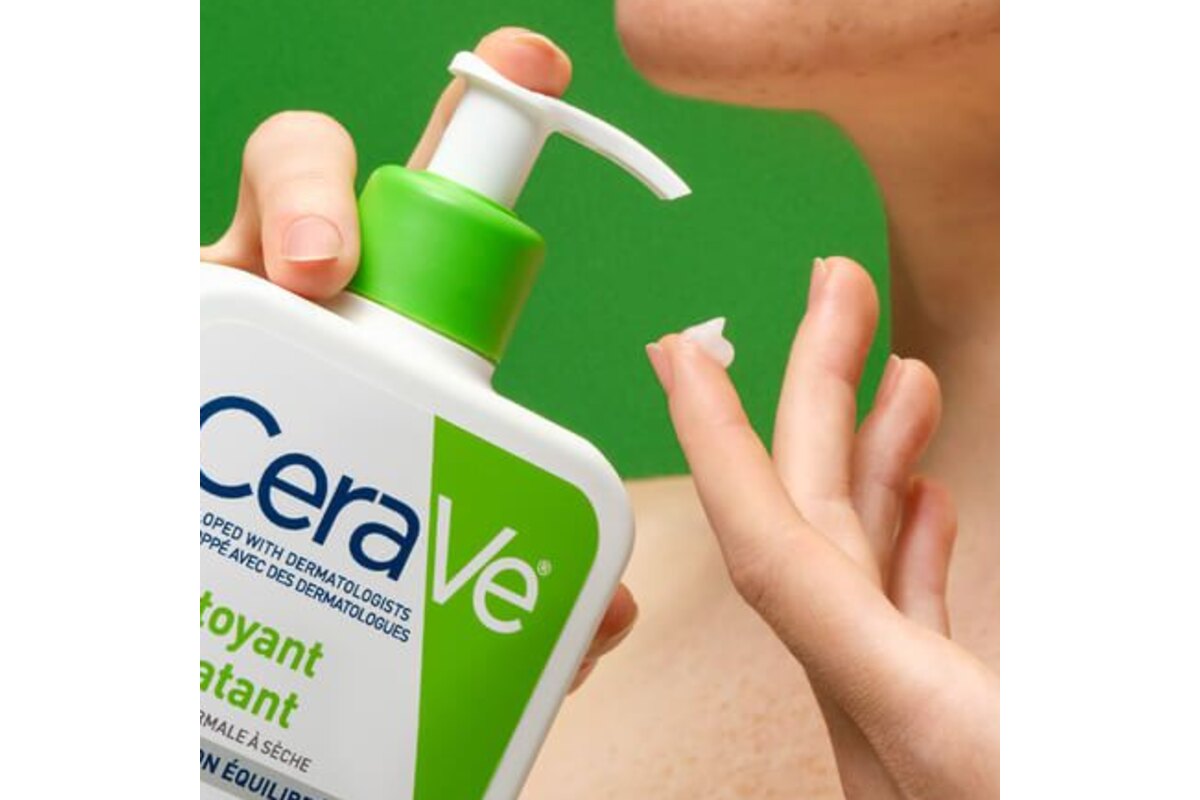
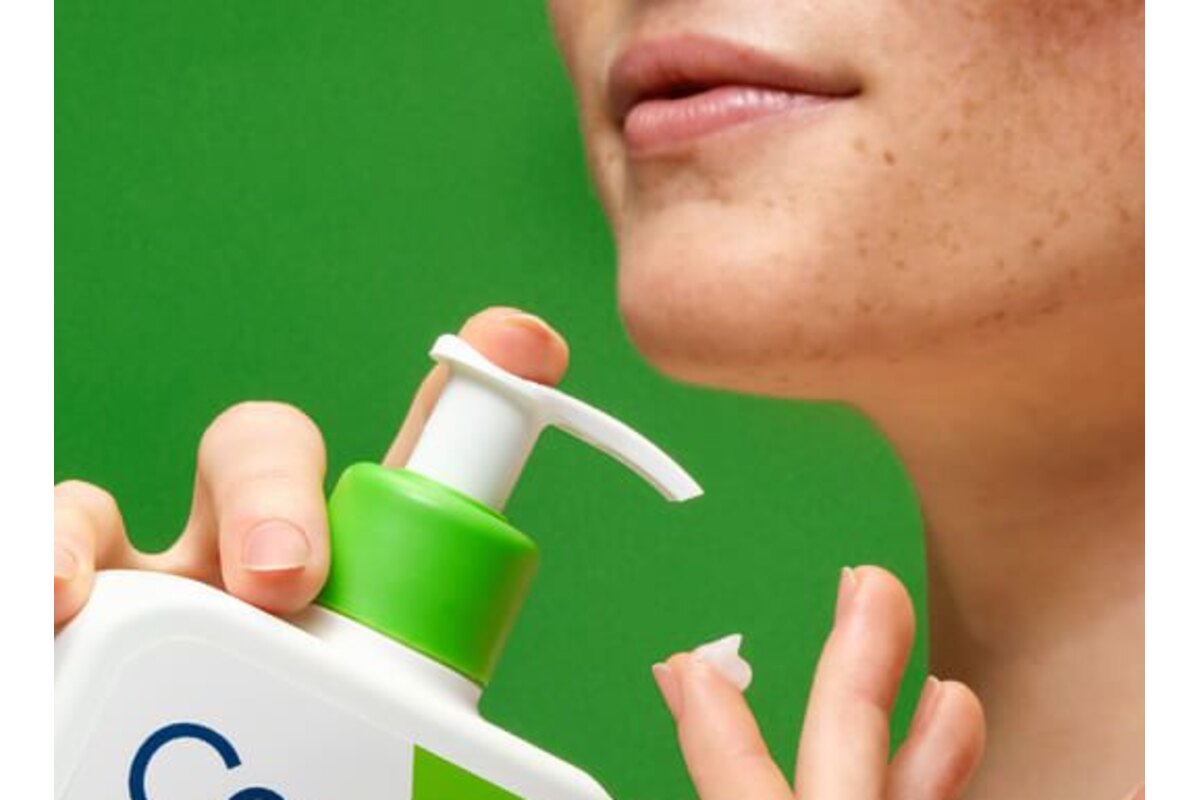
Massage the cleanser onto damp skin in gentle circular motions for thirty to sixty seconds, then rinse thoroughly with lukewarm water and pat dry. Because it does not foam, it can feel different from a typical gel cleanser, but the lotion texture still lifts dirt and oil.
In the morning, a quick cleanse or a rinse may be enough. At night, cleanse thoroughly, especially if you have worn sunscreen or makeup.
Cleansing Done Right
A good cleanser removes sunscreen, oil, and pollution without leaving skin dry or tight. Cream and lotion cleansers suit dry and sensitive skin, gel cleansers suit normal to oily skin, and micellar water can be useful for a quick cleanse.
If you wear waterproof makeup or a lot of sunscreen, a double cleanse can help. Use an oil or balm to dissolve products first, then follow with a regular cleanser.
Where It Fits in a Three-Step Routine
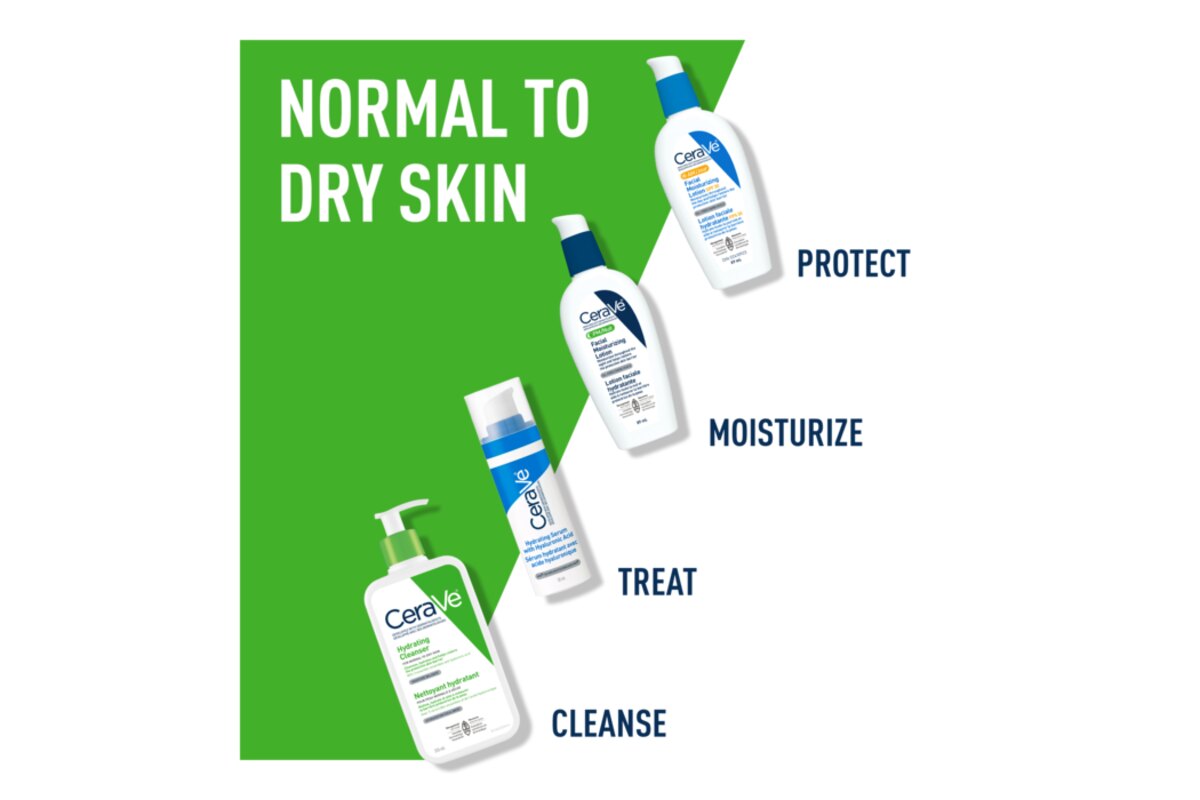
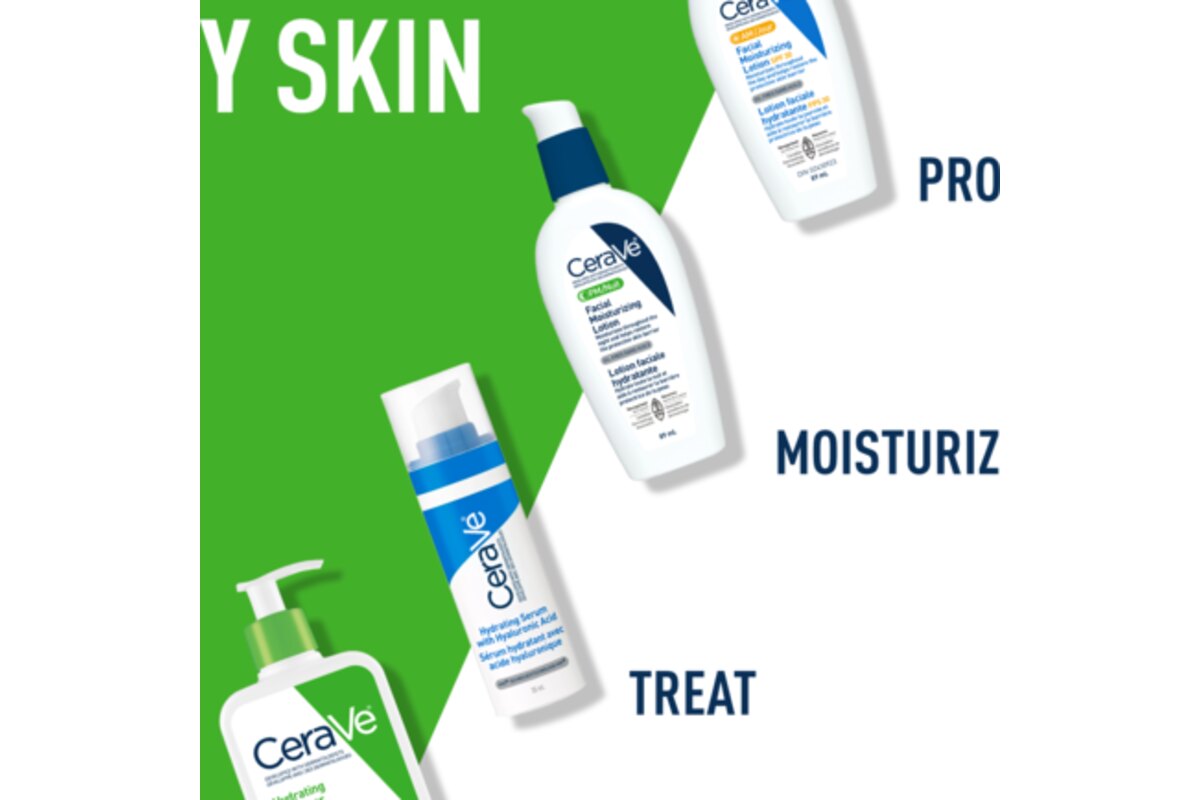
A simple routine has three steps: cleanse, moisturize and protect. This cleanser is the first step, followed by a moisturizer and a broad-spectrum sunscreen in the morning. At night, you can follow with a moisturizer or a treatment if you use one.
Once your basics are steady, you can add targeted products one at a time. Introduce each for two to four weeks so you can tell what helps and what irritates.
What the Images Show
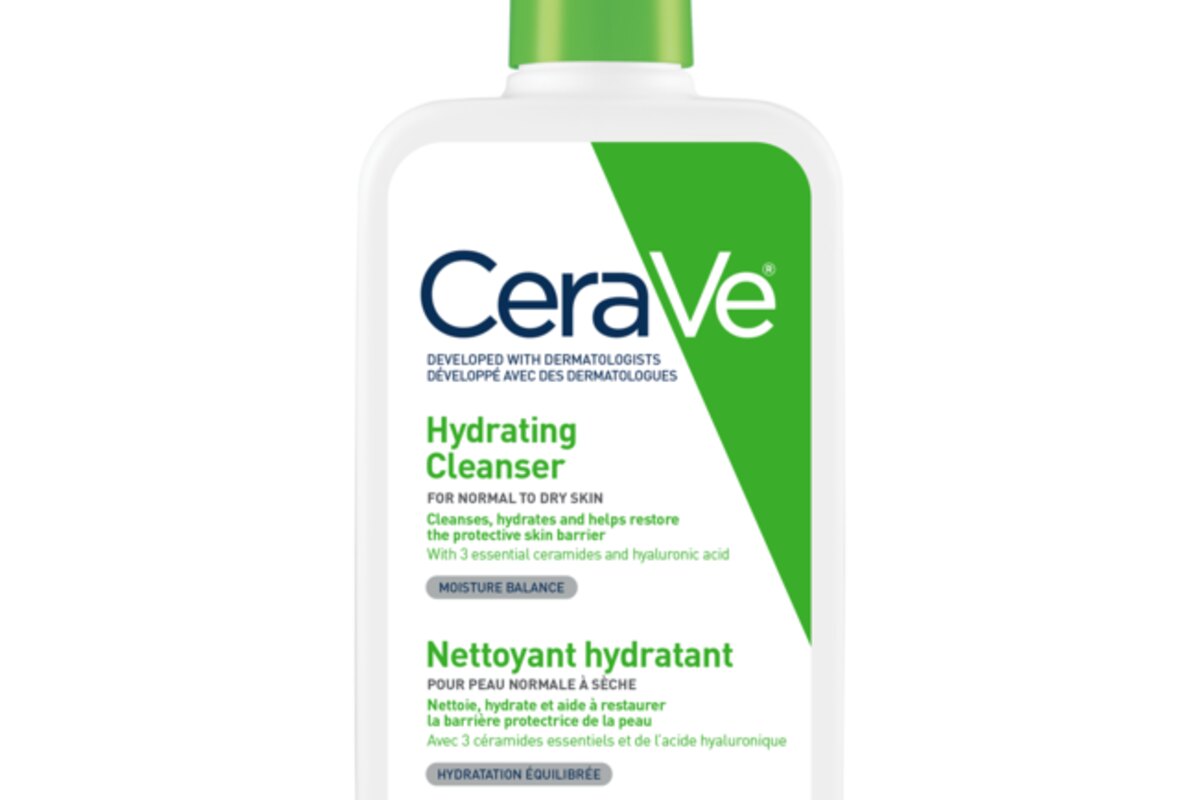
The images in this article come from the manufacturer’s product page. They show the pump bottle, the cleanser being applied to the skin, and graphics that summarise the ceramides, hyaluronic acid and the fragrance-free, non-comedogenic claims.
They are marketing images, so they show the product in its best light. Use them to see the packaging and what the brand wants to highlight, and judge the result on your own skin.
Building the Routine Around Your Skin Type
Oily skin does well with gel cleansers, lightweight moisturizers, and oil-free sunscreens. It can handle active ingredients like salicylic acid and niacinamide. Dry skin benefits from creamy cleansers, richer moisturizers, and humectant serums. Combination skin may need different products on different areas, or a balanced formula that works for both.
Sensitive skin needs gentle, fragrance-free products and a slow introduction of new ones. If your skin is easily irritated, look for short ingredient lists and avoid strong exfoliants. Normal skin has the most flexibility but still benefits from sunscreen and a steady routine.
If you are not sure what your skin type is, wash your face with a gentle cleanser, wait an hour without applying anything, and see how it feels. Shiny all over suggests oily, tight and flaky suggests dry, and shiny only on the forehead and nose suggests combination.
Troubleshooting Your Routine
If your skin is dry, check whether your cleanser is too strong and whether you are applying moisturizer on damp skin. If your skin is oily, consider a lighter moisturizer and make sure you are not over-cleansing. If you are breaking out, review any new products and consider whether you are using too many.
If your skin is stinging, stop all actives and return to a gentle routine for a couple of weeks. If you are not sure what is causing a problem, remove products one at a time to identify the culprit. Keep notes so you can see patterns.
If problems persist, see a pharmacist or dermatologist. A professional can help you find the underlying cause and suggest treatments that fit your skin, saving time and frustration.
Choosing a Moisturizer
Moisturizers work in three ways: humectants draw water into the skin, emollients smooth and soften, and occlusives form a seal to prevent water loss. A good moisturizer often combines these. If your skin feels dry or tight, look for something richer. If it feels greasy, a lighter gel-cream may be better.
It is normal to use different moisturizers at different times. A lighter lotion in the morning under sunscreen and makeup, and a richer cream at night when your skin repairs itself, is a common approach. You can also adjust by season, using a heavier cream in winter and a lighter one in summer.
Adding Actives Carefully
Once your basic routine is steady, you can add targeted products. Vitamin C in the morning can help with brightness and protect against free radicals. Niacinamide can help with oil, pores, and redness. Retinol at night helps with texture and fine lines, and exfoliating acids can smooth and brighten when used sparingly.
The key is to introduce one new product at a time and give it two to four weeks before adding another. This helps you see what works and identify the cause if your skin reacts. More products do not necessarily mean better results, and a simple routine is easier to maintain.
Patch Testing
Before adding a new product to your face, test it on a small area such as the inside of your forearm or behind your ear. Apply it once a day for a few days and watch for redness, itching, or swelling. A patch test is not foolproof, but it can catch obvious reactions before they affect your face.
If your skin has a history of allergies or you have a skin condition, speak with a health professional before trying new actives. They can advise on ingredients to avoid and help you build a routine that is safe for you.
Budgeting Your Routine
A good routine does not require expensive products. Many well reviewed cleansers, moisturizers, and sunscreens are affordable and widely available at Canadian drugstores. If you have a limited budget, spend a little more on the product that stays on your skin the longest, such as sunscreen or a treatment, and keep the cleanser inexpensive since it is rinsed off.
Consider checking whether your insurance or health spending account covers any items, and look for sales. Buying only what you will use, and finishing products before opening new ones, saves money and reduces waste.
Common Beginner Mistakes
The most frequent mistake is starting too many products at once. When a reaction occurs, it is impossible to know which one is responsible. Another mistake is over-cleansing or over-exfoliating in pursuit of a clear complexion, which can weaken the barrier and cause more breakouts.
Others include switching products too soon, skipping sunscreen, and chasing trends without considering whether they suit your skin. Your skin takes weeks to show the effects of a change, so be patient and give each product a fair trial before moving on.
Reading Your Skin Day to Day
Your skin changes with weather, sleep, hormones, and stress, so your routine can flex too. On a dry, windy day, add an extra layer of moisturizer. If your skin feels irritated, drop your actives and focus on gentle care for a few days.
Learning to read these signals is part of building a routine that works long term. Notice how your skin feels in the morning, after cleansing, and by the end of the day. These simple observations will guide your choices better than any trend can.
Sunscreen as the Anchor
If you only do one thing in the morning, make it sunscreen. Daily use is associated with fewer signs of ageing and lower risk of skin cancer. Choose one you enjoy wearing, because the one you will use every day is the one that works.
Apply it generously and do not skip areas like the neck and ears. If you are indoors most of the day, you still benefit from protection, especially if you sit near a window. If you are outdoors, reapply every two hours.
Frequently Asked Questions

Why doesn’t it foam? It is designed not to, because foaming surfactants can leave dry skin feeling tight. The lotion texture still lifts dirt and oil.
Can I use it to remove makeup? It can remove everyday makeup. For waterproof or heavy makeup, use a micellar water or an oil first.
Can I use it in the morning and at night? Yes. Many people with dry skin use it twice a day.
Is it suitable for oily skin? The brand targets normal to dry skin, so oily or acne-prone skin may prefer a foaming cleanser.
The Bottom Line
CeraVe Hydrating Facial Cleanser is a gentle, fragrance-free, non-foaming cleanser built for normal to dry and sensitive skin. It is a sensible first step if your skin feels tight after washing. Try a small size, judge how your skin feels after a week, and pair it with a moisturizer and sunscreen.