CeraVe Moisturizing Cream: A Winter-Ready Barrier Cream Explained
When the air turns cold and dry, a richer moisturizer often makes the difference between comfortable skin and tight, flaky skin. CeraVe Moisturizing Cream is one of the best known options, and it is sold in a tub that you will see in many Canadian bathrooms.
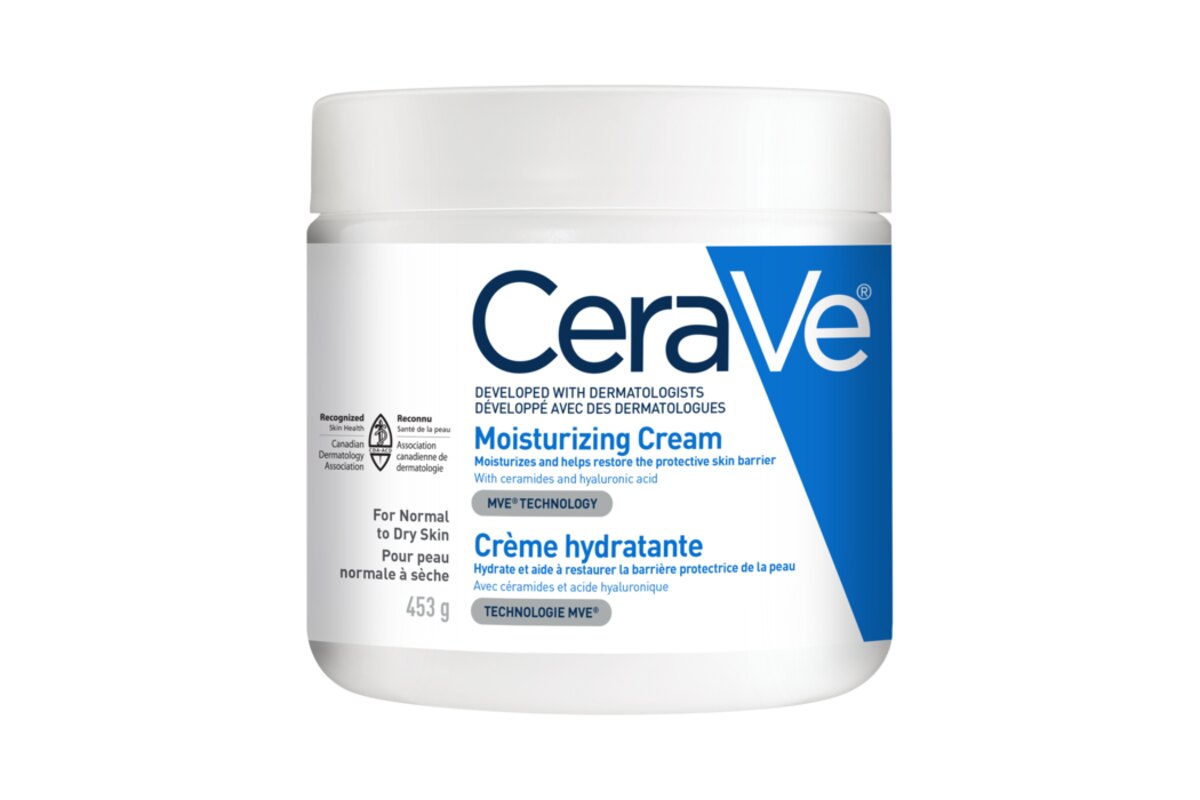
A quick note on how this article was written: it is a product overview built from the manufacturer’s published product page, its ingredient list, and general skincare and makeup knowledge. It is not a record of hands-on testing, and the product photos are the brand’s own.
Here is what the brand says about the cream, what is in it, and how to make it work as part of a winter routine.
What This Cream Is
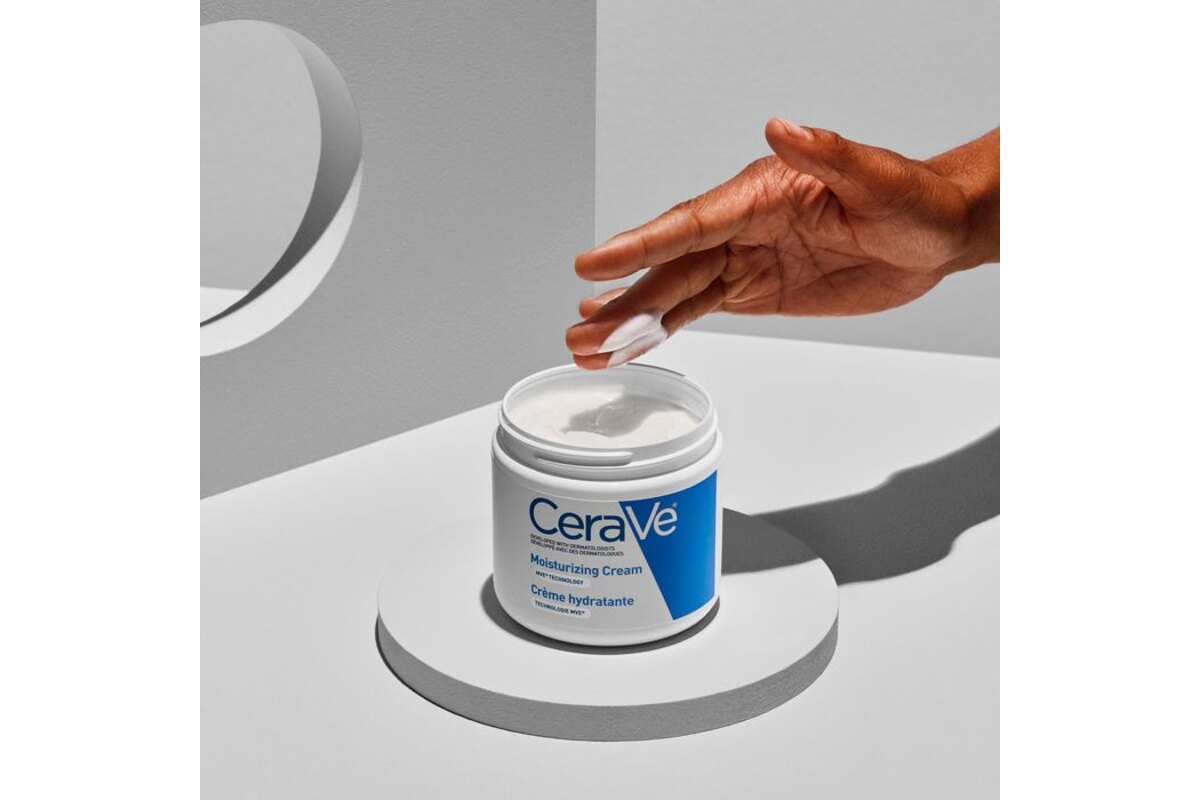
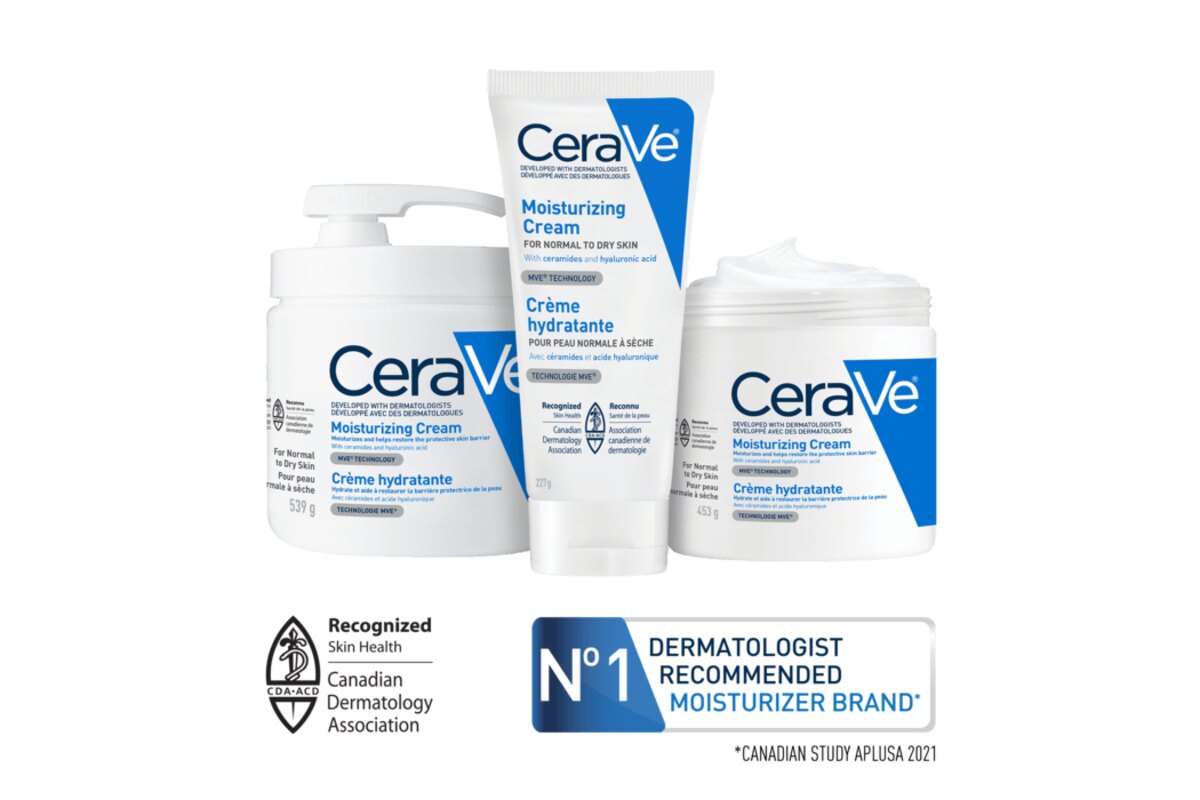
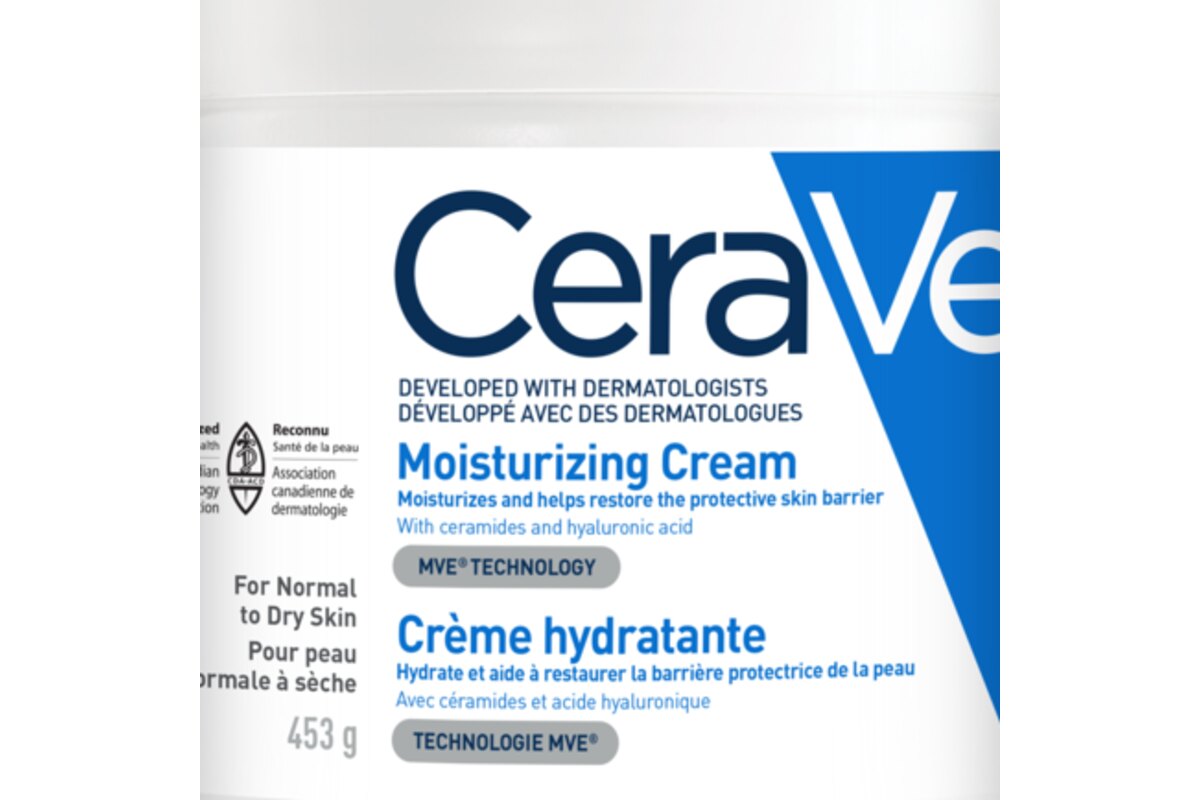
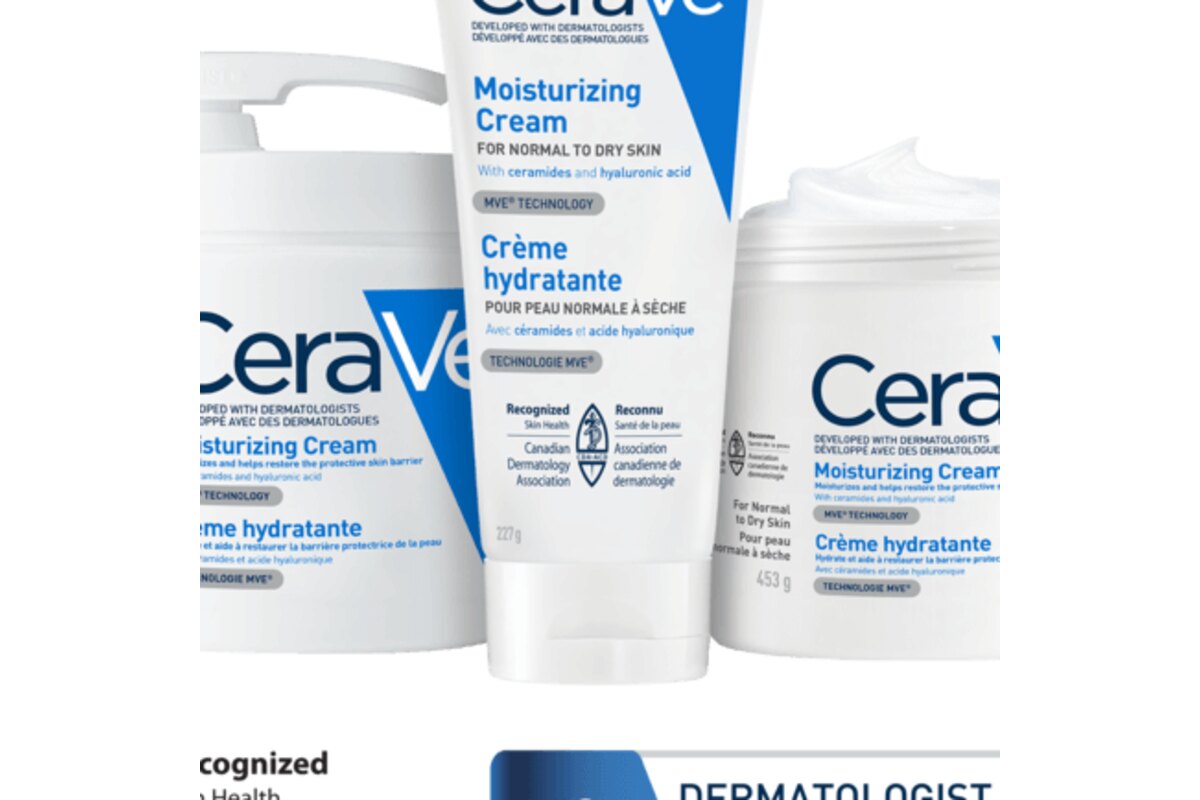
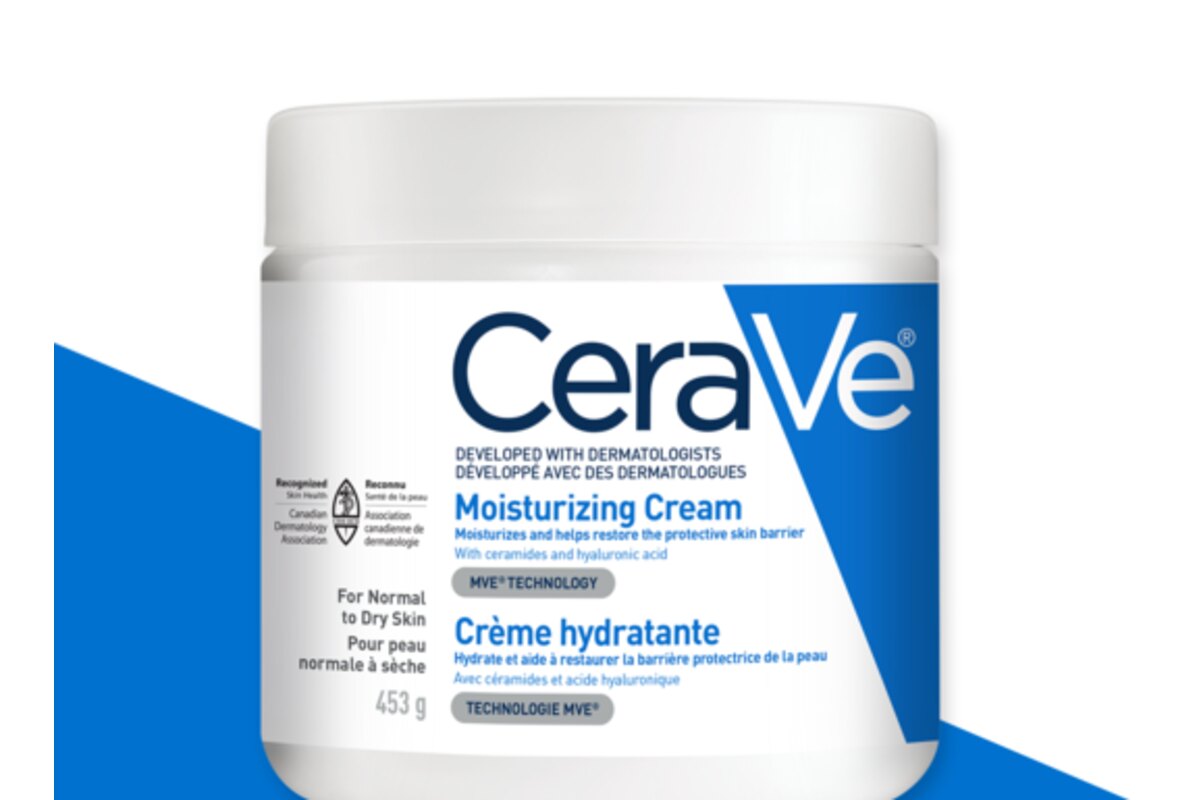
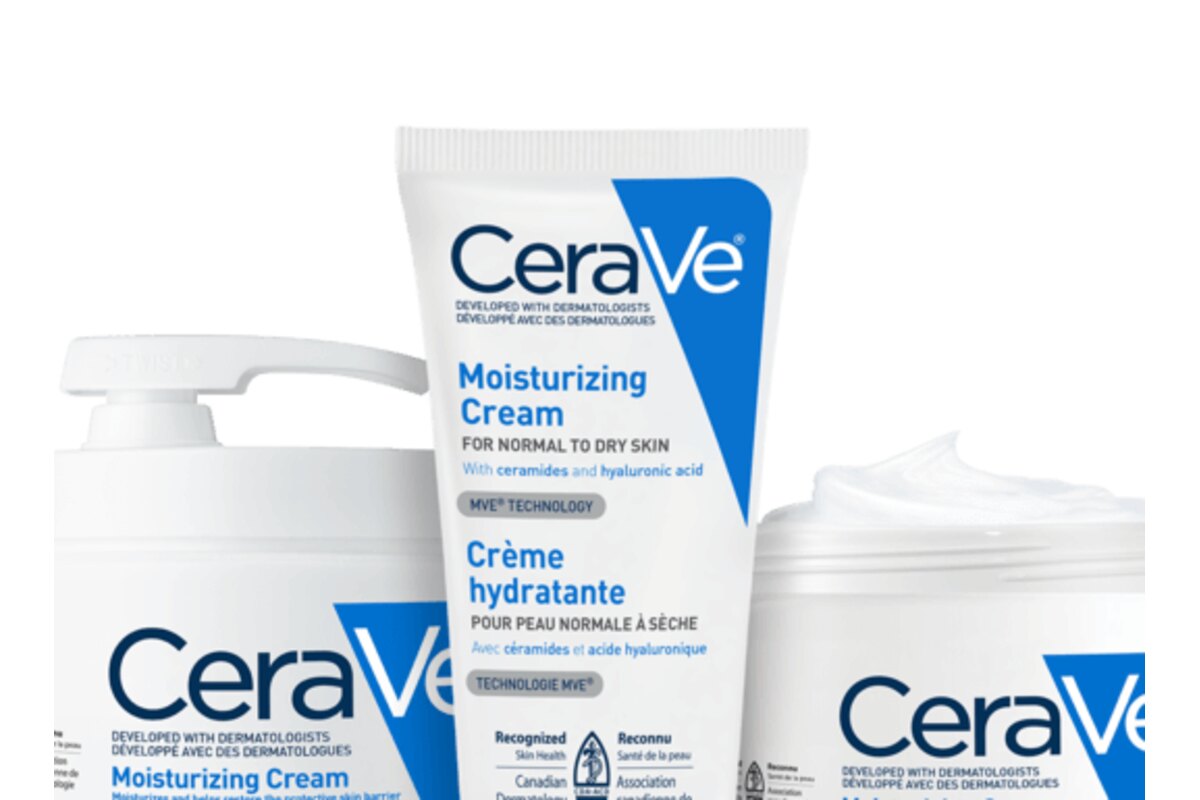
CeraVe describes Moisturizing Cream as a barrier-restoring cream for normal to dry skin. It is sold in a 453 g tub as well as other sizes, including a pump bottle and a tube, and it can be used on the face and body.
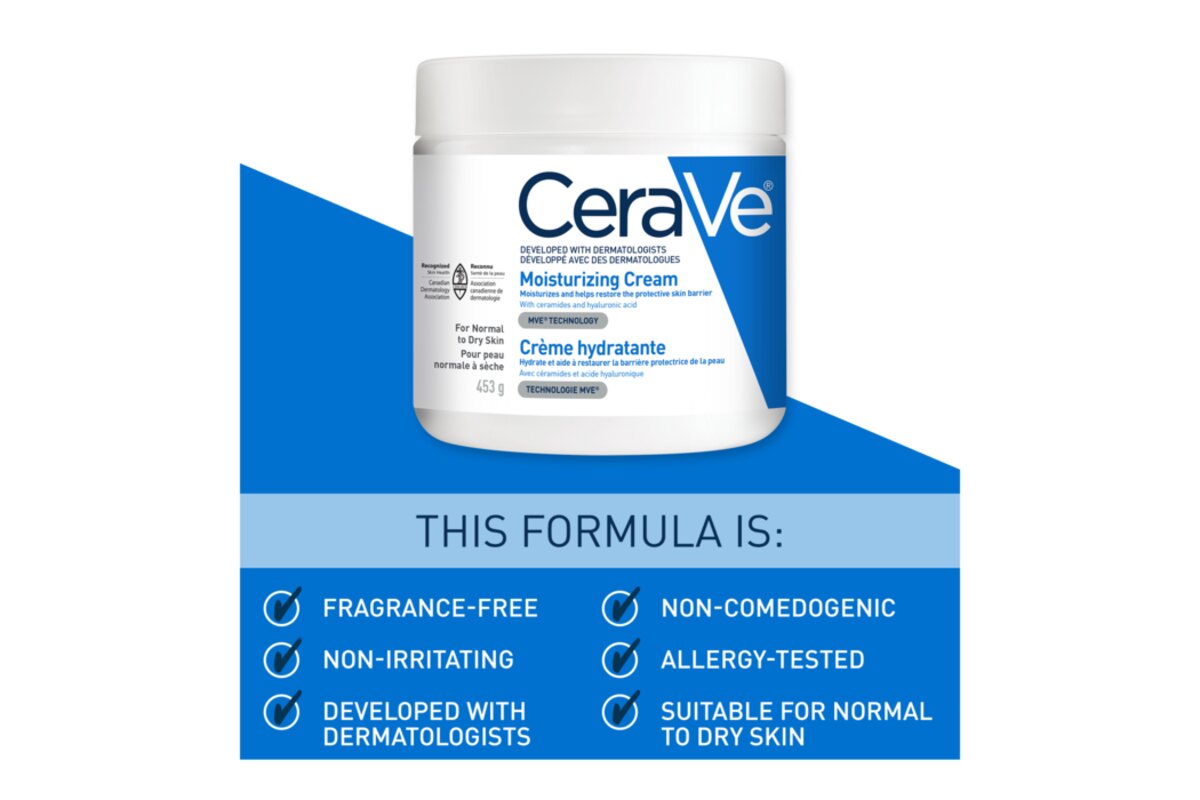
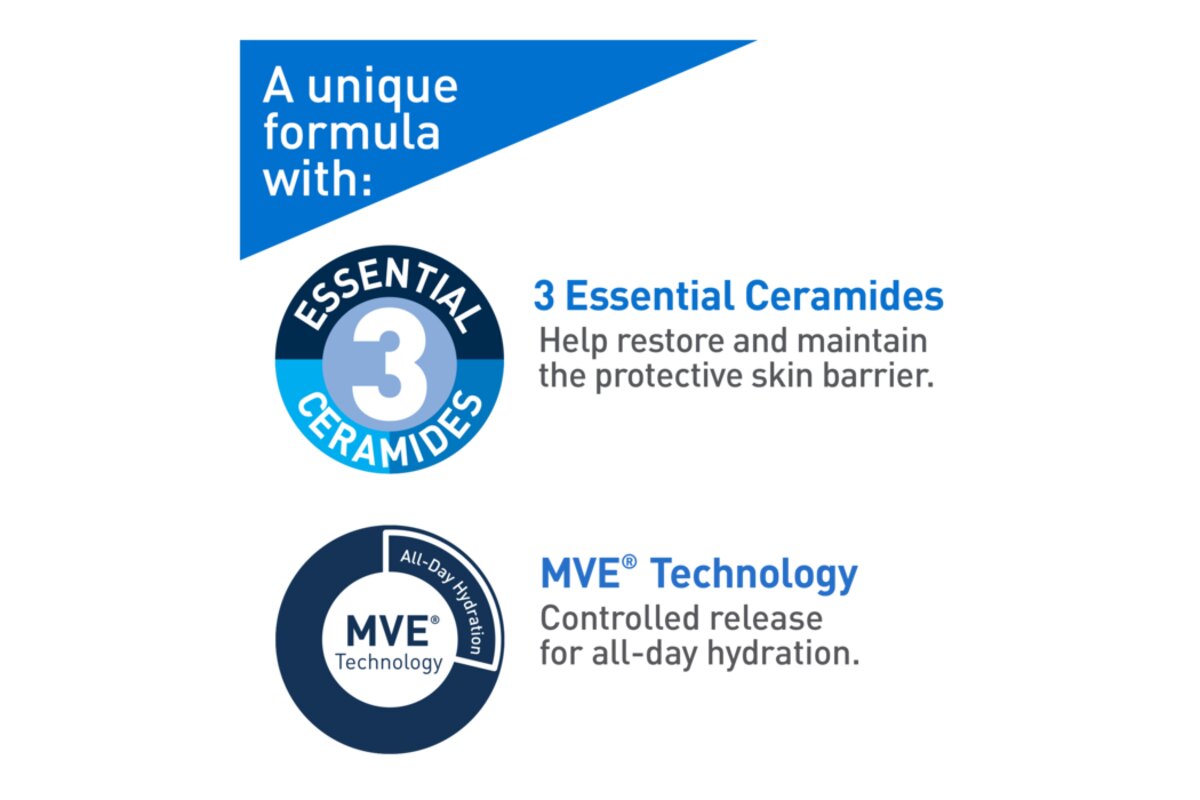
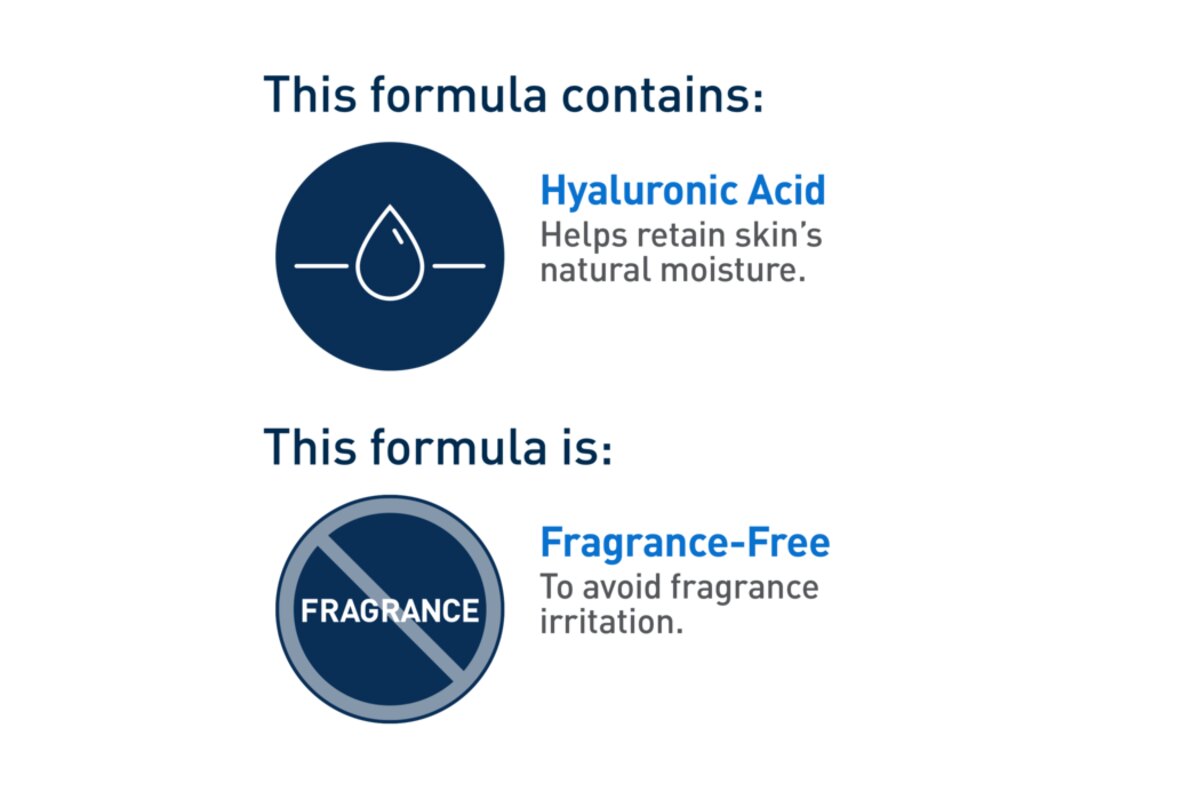
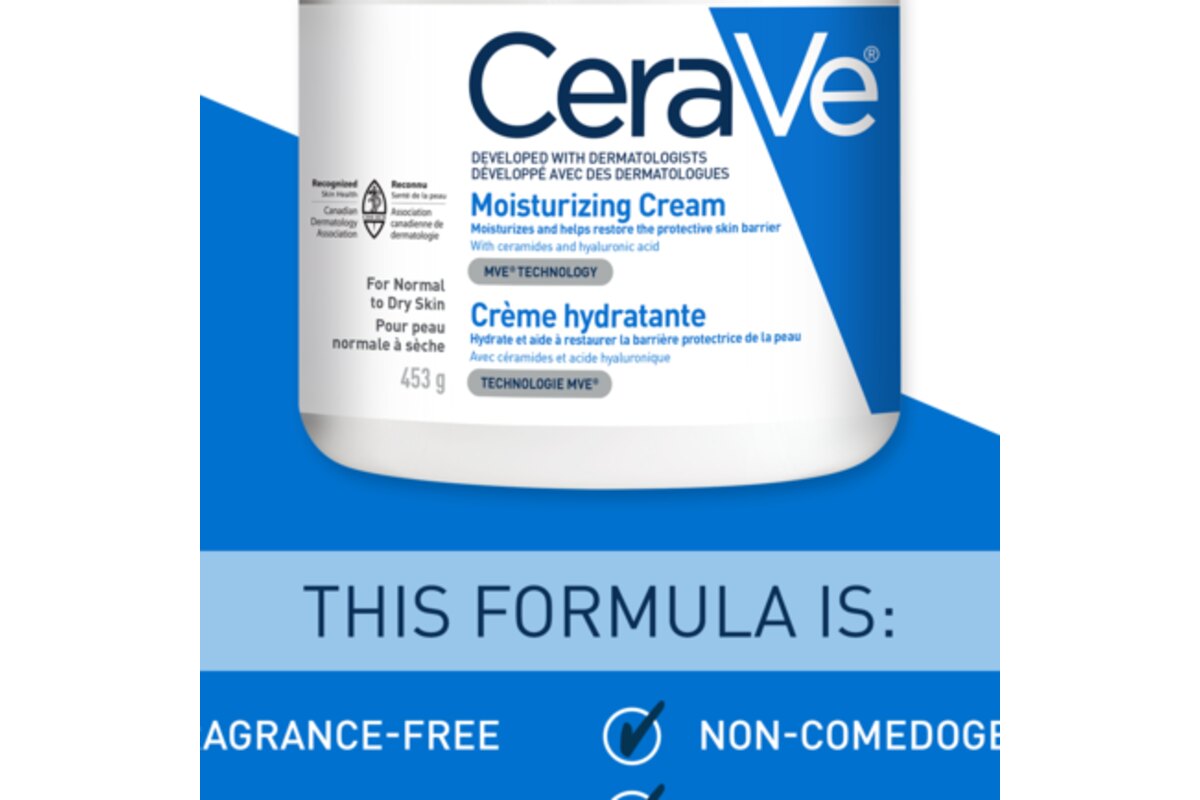
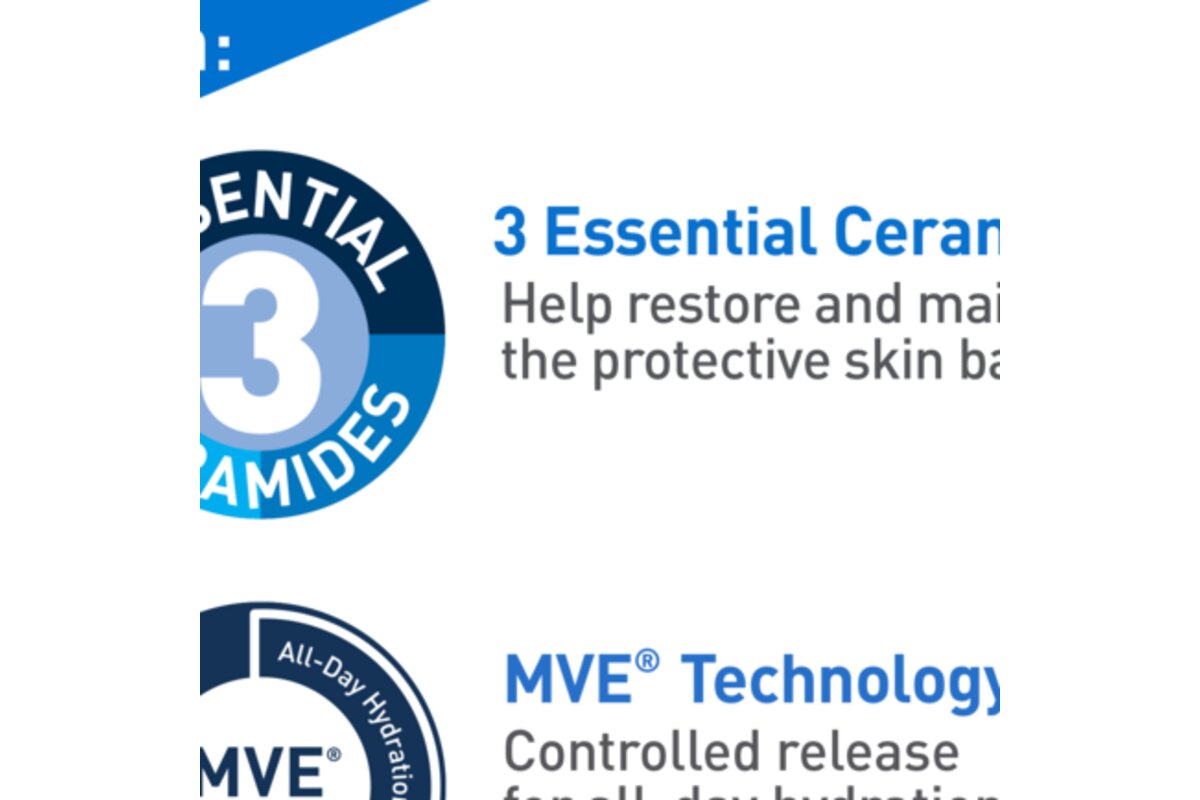
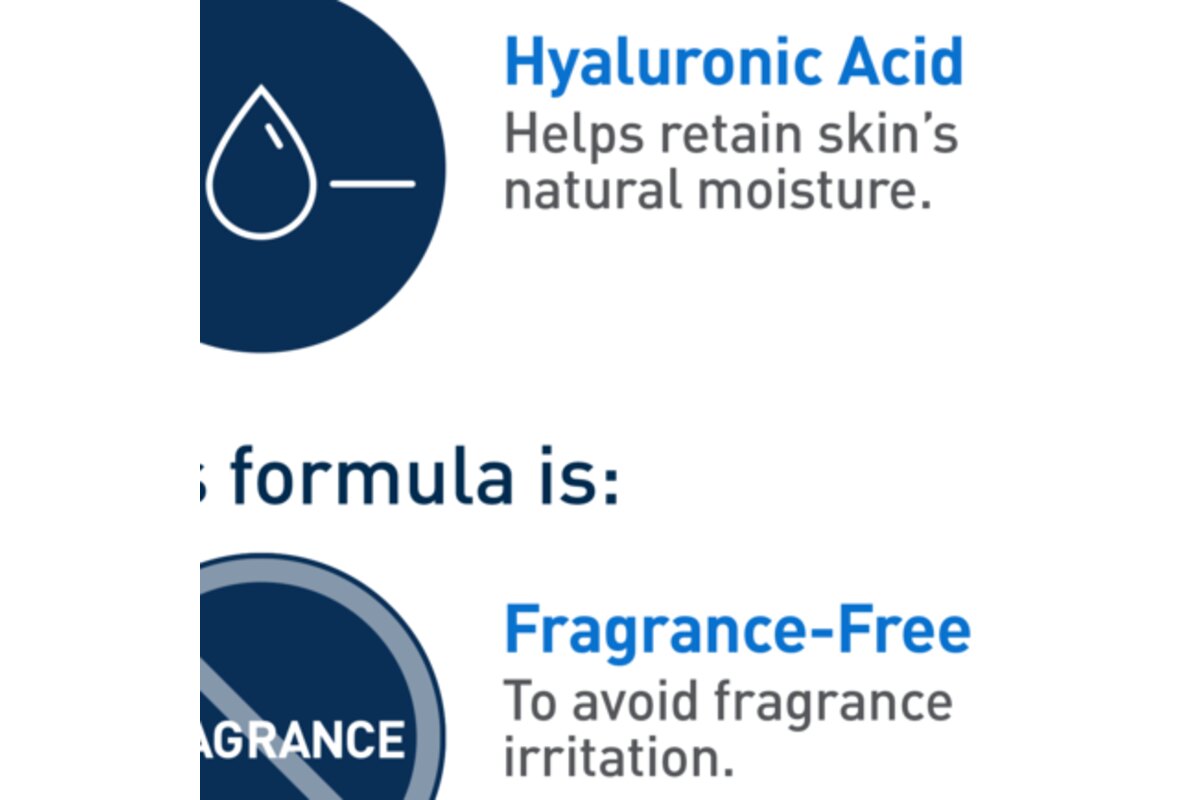
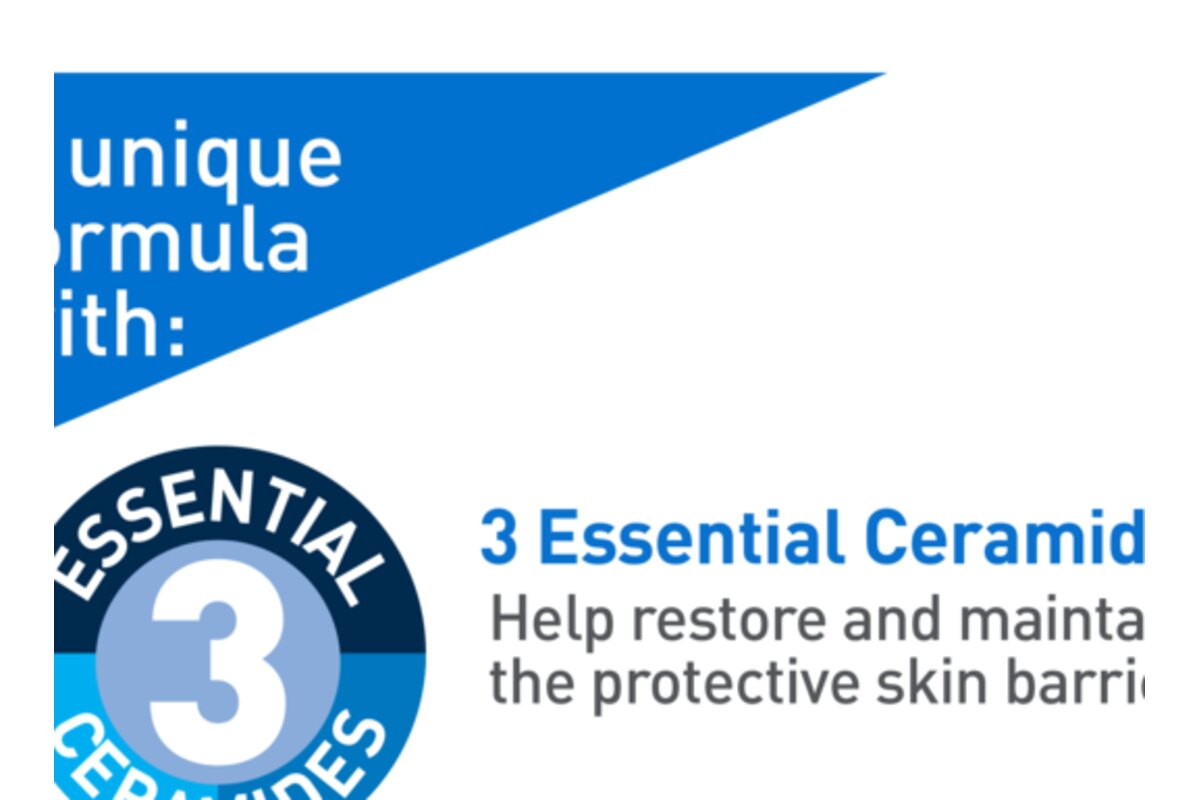
The brand says it is fragrance-free and developed with dermatologists, and it highlights three essential ceramides, hyaluronic acid and its MVE delivery technology. The Canadian packaging also notes that it is recognised by the Canadian Dermatology Association.
The Ingredient List
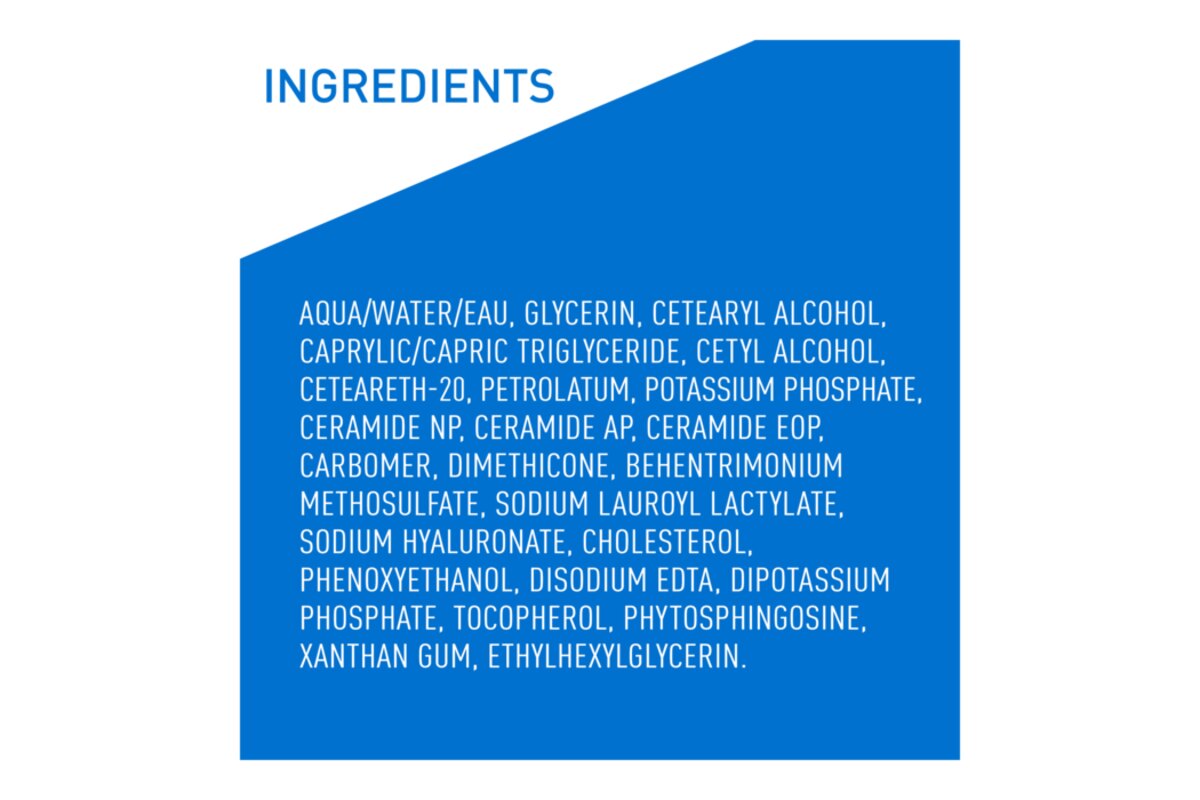
The list begins with water, glycerin and cetearyl alcohol, followed by caprylic/capric triglyceride, cetyl alcohol, ceteareth-20 and petrolatum. Glycerin is a humectant that draws water into the skin, the fatty alcohols and triglycerides soften, and petrolatum is an occlusive that helps prevent water loss.
The formula also includes ceramide NP, AP and EOP, sodium hyaluronate, cholesterol, phytosphingosine and tocopherol. Phenoxyethanol serves as the preservative. This mix of humectants, emollients and occlusives is what makes a cream feel richer than a lotion.
Why a Cream and Not a Lotion
Creams contain more oil-phase ingredients than lotions, so they tend to feel thicker and stay on the skin longer. For dry, tight skin or winter weather, that extra richness helps seal in moisture after washing.
If your skin is oily or you live in a humid climate, a cream this rich may feel heavy on the face, and a lighter lotion or gel may suit you better. Many people use the cream on their body and a lighter product on their face.
Who It May Suit
The brand describes it as suitable for normal to dry skin. It is also marketed as non-irritating and fragrance-free, which makes it a common choice for people with sensitive skin.
If you have eczema, psoriasis or another skin condition, speak with a doctor or pharmacist about the best moisturizer for you. A moisturizer can help with dryness, but it does not replace medical treatment.
How to Use It
Apply it to clean skin, ideally within a few minutes of washing while skin is still slightly damp, to help trap water. Use a generous layer on dry areas such as elbows, shins, hands and feet, and a thinner layer on the face.
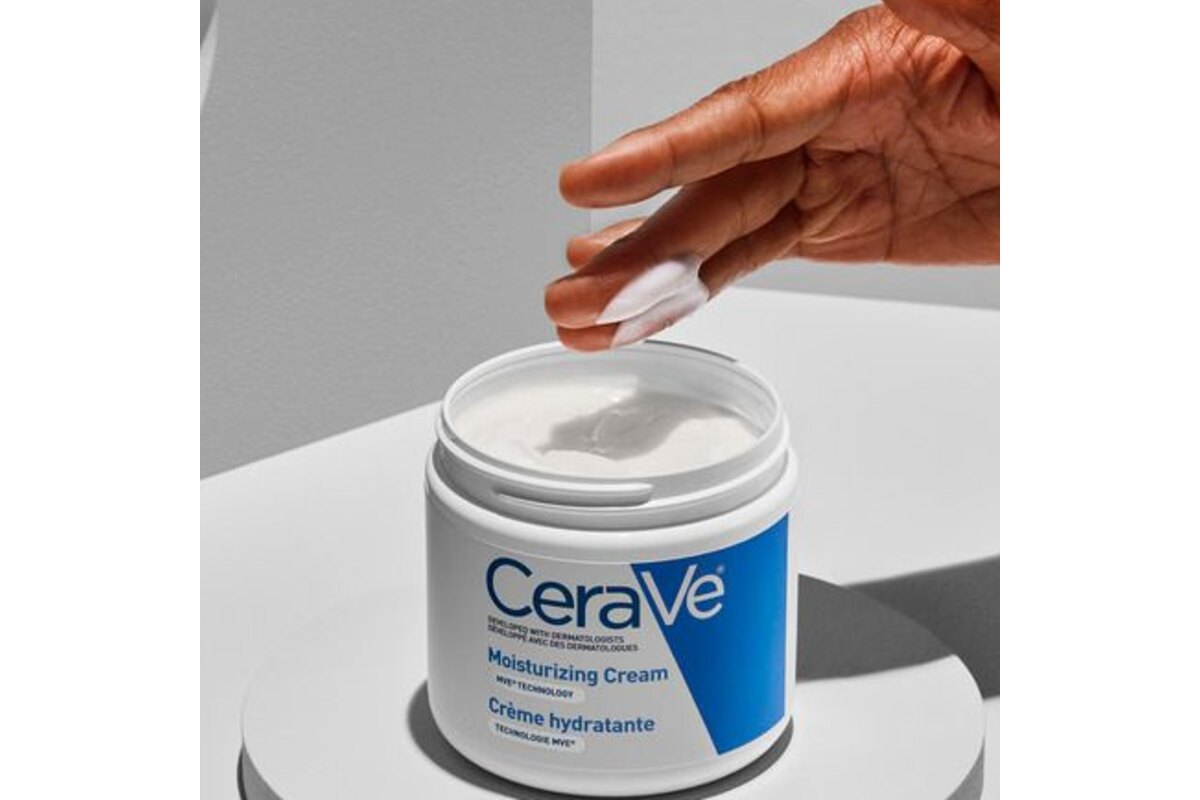
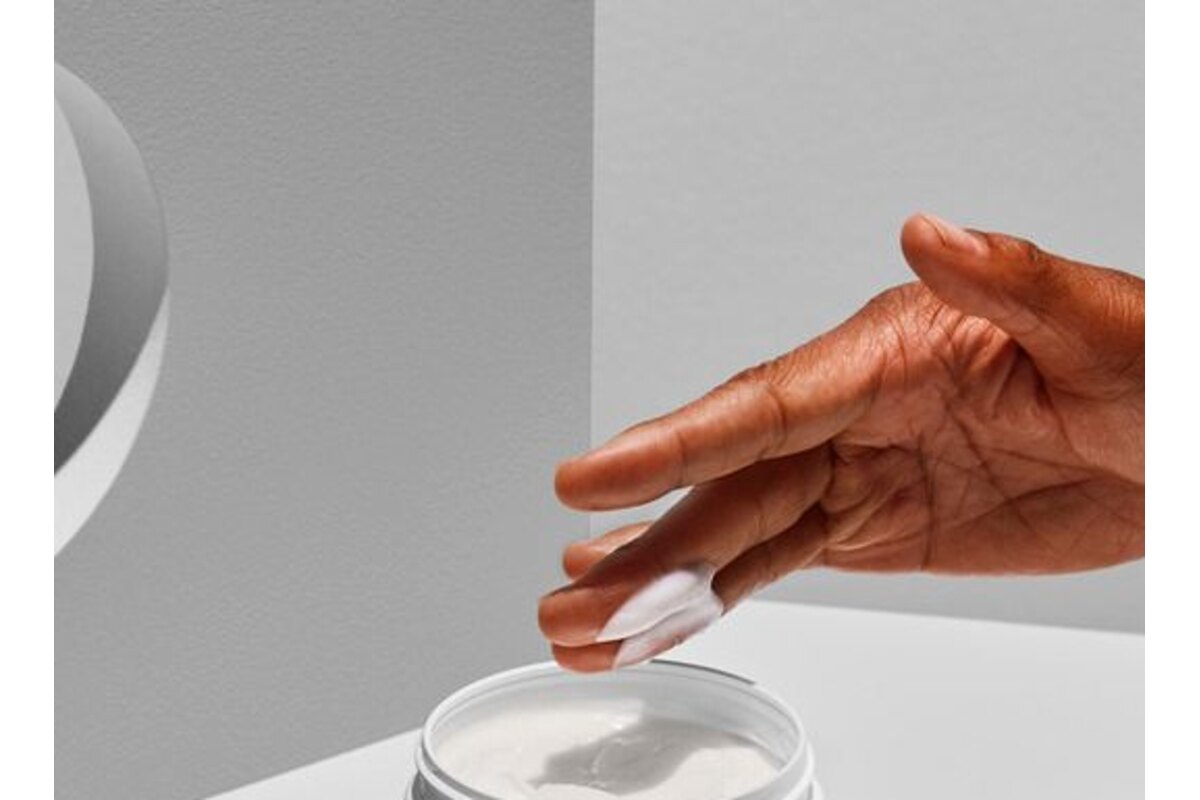
If you use the tub, scoop with a clean spatula or clean hands to avoid introducing bacteria. A pump or tube is more hygienic if you are sharing or storing it in a humid bathroom.
What the Images Show
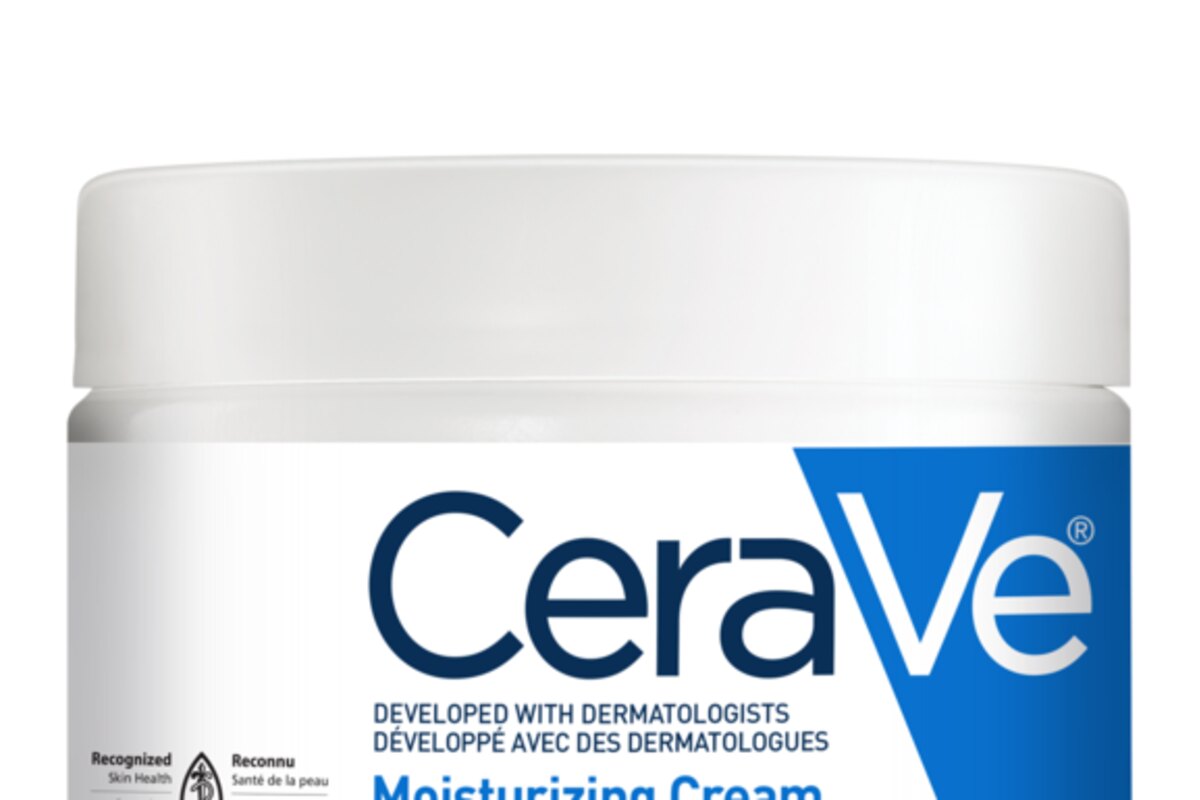
The images in this article come from the manufacturer’s product page. They show the white tub, a hand dipping into the cream, and graphics summarising the ceramides, hyaluronic acid and the fragrance-free formula.
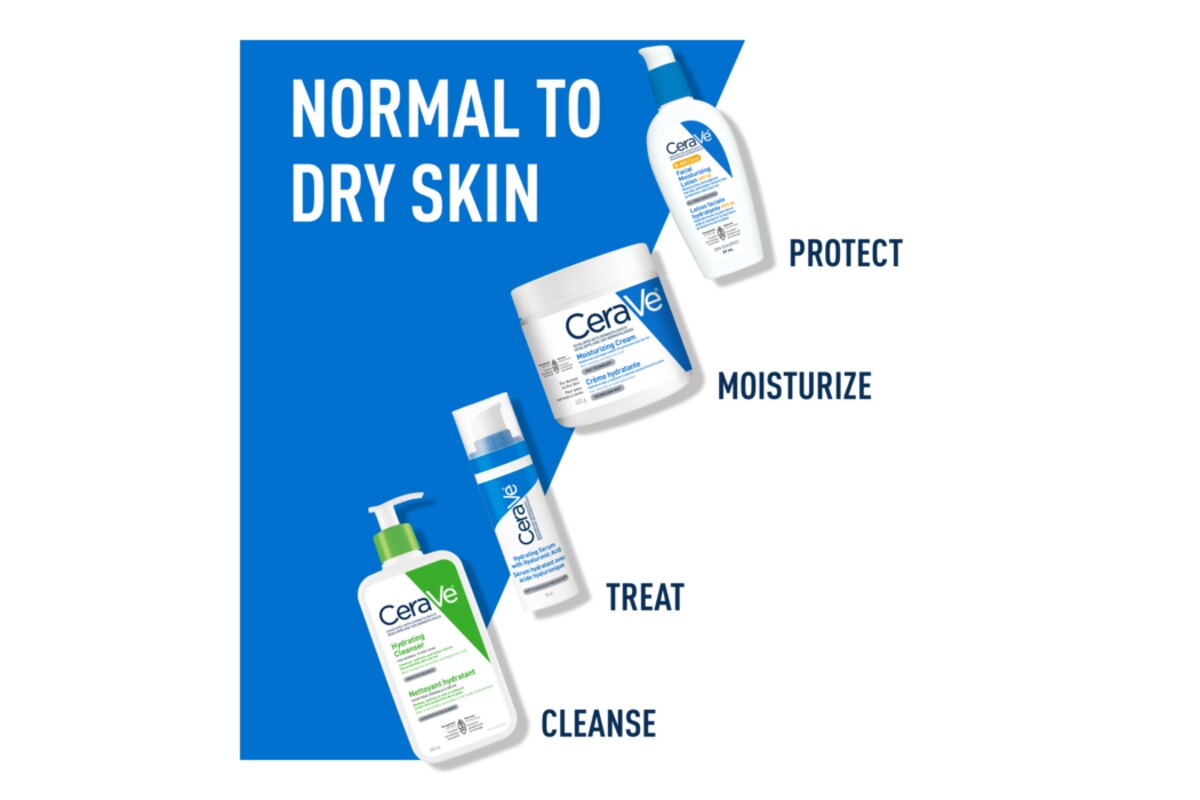
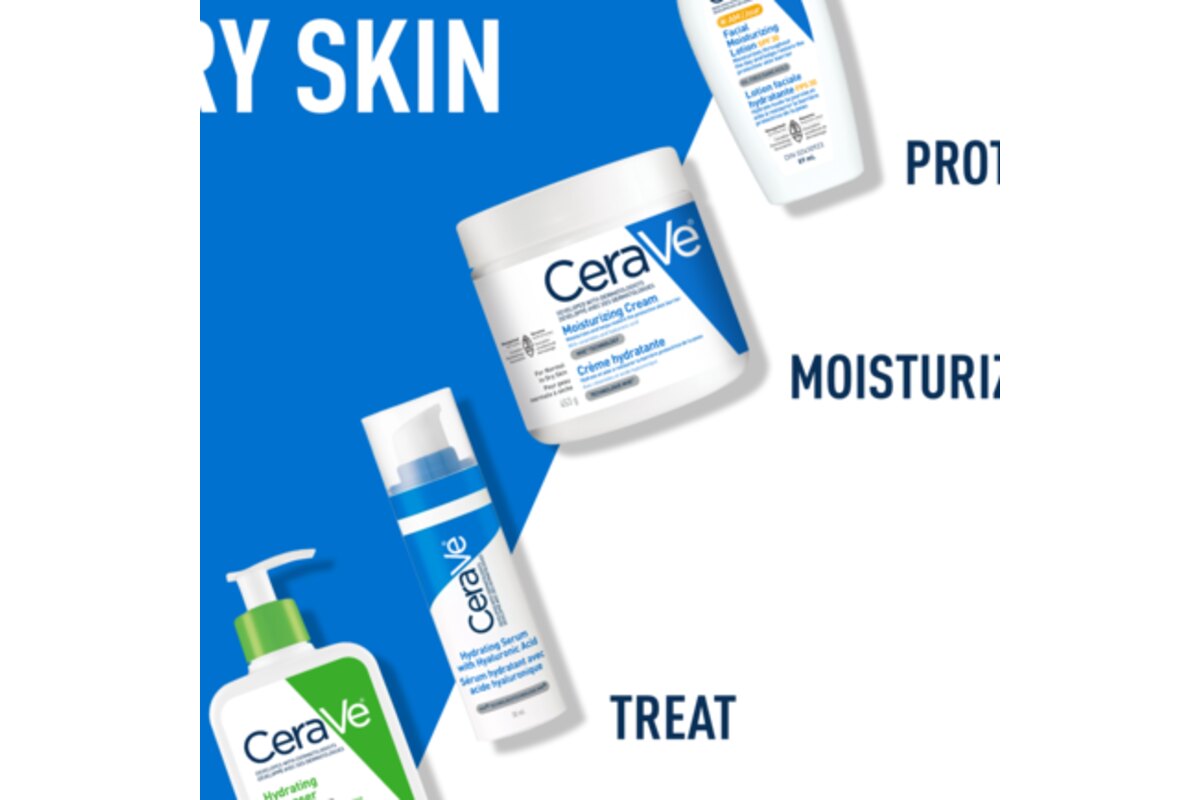
The brand also shows the cream in different sizes and a range of products for different steps. They are marketing images, so use them to see the packaging and what the brand emphasises.
Why Winter Skin Feels Different
The outer layer of your skin acts as a barrier that holds water in and keeps irritants out. In cold, dry weather, the barrier is more easily disrupted because there is less humidity in the air to support it. Add hot showers and indoor heating, and your skin loses water faster than it can replace it.
A damaged barrier can show up as tightness, rough patches, redness, stinging with products that were previously fine, and even more breakouts. Recognizing these as signs of barrier stress rather than a need for stronger products can change how you respond.
Shower and Bath Habits
Long, hot showers feel wonderful on a cold day but they strip natural oils from skin. Keep showers short and lukewarm, use a gentle body wash, and moisturize right after you towel off. Pat skin dry rather than rubbing.
Body cream is just as important as face moisturizer. Pay particular attention to shins, elbows, and hands, which tend to be driest. Thick creams and ointments tend to hold moisture better than thin lotions.
Add Moisture to the Air
A humidifier in your bedroom can make a noticeable difference overnight, especially if your home has forced-air heating. Aim for indoor humidity around 30 to 50 percent, and clean the humidifier regularly.
Combined with a rich cream, a more comfortable environment helps your skin recover faster during the coldest months.
Small Habits That Add Up
Winter skin care is not only about products. Small habits make a difference: keep a lip balm in each coat pocket, set a reminder to apply hand cream after washing, and put a humidifier on your bedside table. Wear a scarf over your cheeks when the wind bites.
Eat a balanced diet, drink water, and get enough sleep. Limit very hot baths, and avoid scratching dry patches. If you wear contact lenses or glasses, check that they do not irritate the skin around your eyes and nose.
Plan ahead for the season. Switch to your winter routine in autumn before the cold arrives, so your skin is ready. Review your products in spring and move back to lighter formulas when the air warms up. This seasonal approach keeps your skin comfortable throughout the year.
Understanding Your Skin Barrier
The skin barrier is made of skin cells held together by lipids such as ceramides, cholesterol, and fatty acids. When it is healthy, it keeps water in and irritants out. When it is damaged, skin feels dry, sensitive, and reactive.
Common causes of barrier damage include harsh cleansers, over-exfoliation, hot water, sun exposure, and cold dry weather. The treatment is usually simple: gentle products, a good moisturizer, less exfoliation, and patience. A barrier can take a few weeks to recover.
Recognizing barrier stress early helps you respond quickly. If your usual products suddenly sting, pause your actives and focus on simple care until your skin feels normal again.
A Sample Winter Routine
In the morning, rinse with lukewarm water or cleanse gently, apply a hydrating serum if you use one, then moisturizer and a broad-spectrum sunscreen. Add lip balm and hand cream to your daily habits so that you are protected throughout the day.
At night, cleanse thoroughly, then apply a treatment if you use one, followed by a richer moisturizer. On very dry days, add a thin layer of an occlusive like petrolatum around the nose, mouth, and other flaky areas. A few nights a week, use a hydrating mask for extra comfort.
Winter Body Care and Beyond
Skin on the body can be just as affected by winter as the face. Use a moisturizing body wash and apply cream to damp skin. Consider a body oil or balm for particularly dry areas. For feet, a thick cream and cotton socks overnight can make a big difference.
Hydration from the inside also helps, so keep drinking water and eat foods rich in healthy fats such as nuts, seeds, and fish. While diet alone will not solve dry skin, it supports your overall health.
Dressing for Cold and Wind

Windburn can leave the skin red, raw, and sensitive. Protect your face with a scarf when it is very windy, and use a barrier cream or a thicker moisturizer before heading out. If you spend time outdoors for sports or work, apply a protective layer on exposed skin.
Wet gloves and damp wool can irritate the skin, so change out of them promptly. Choose soft fabrics next to the skin, such as cotton, and avoid wearing rough materials directly against your face and neck.
Moisturizer Strategy
In winter, many people benefit from switching to a richer cream and applying it more generously. Apply moisturizer within a few minutes of washing, while skin is still slightly damp, to help trap water. Look for ceramides, cholesterol, fatty acids, glycerin, and shea butter.
If you use an active such as retinol, consider buffering with moisturizer, and use it less often when your skin feels sensitive. Your skin may tolerate less in winter than it did in summer, and that is normal.
Travel and Winter Sports
If you travel in winter, cabin air and temperature changes can dehydrate skin. Pack a travel-size moisturizer, lip balm, and hand cream, and drink water during the flight. Avoid heavy exfoliating before travel.
For skiing and snowboarding, apply sunscreen to all exposed areas, including under the chin where snow reflects light. Use a lip balm with SPF, and add a layer of barrier cream before spending long periods in the wind. After a day outside, cleanse gently and moisturize generously.
When to See a Professional
If your skin is cracked, bleeding, intensely itchy, or does not improve with a gentler routine and good moisturizer, it is worth speaking to a doctor, pharmacist, or dermatologist. Conditions such as eczema, contact dermatitis, and psoriasis often flare in winter and can need prescription treatment.
Do not try to fix a severe flare with more products. Simplify your routine and seek advice. A professional can help determine whether you need medicated creams or a different approach altogether.
Winter Makeup Adjustments
Makeup can sit differently on cold, dry skin. Switch to hydrating primers, cream blushes, and moisturizing foundations. Powder products can cling to dry patches, so use them sparingly. Press makeup into the skin with a sponge for a smoother finish.
Prep is the most important step. Let your moisturizer and sunscreen absorb for a few minutes before applying makeup, and use lip balm before lipstick. Setting sprays with hydrating ingredients can help makeup look fresher throughout the day.
Frequently Asked Questions
Can I use it on my face? Yes, the brand says it can be used on the face and body. If it feels heavy, use a thinner layer.
Does it have SPF? No. Use a separate sunscreen during the day.
Is it greasy? It is a rich cream, so it feels thicker than a lotion. Some people prefer it at night.
Is it scented? The brand says it is fragrance-free.
The Bottom Line
CeraVe Moisturizing Cream is a rich, ceramide-containing, fragrance-free cream for dry skin, and a practical winter staple for the face and body. Apply it to damp skin, pair it with gentle cleansing and a humidifier, and use sunscreen in the daytime. If dryness or itching does not improve, see a healthcare professional.