Garnier Whole Blends Honey Treasures Repairing Shampoo: What to Know
Shampoo is one of those products everyone uses and few people think about carefully. Garnier Whole Blends Honey Treasures Repairing Shampoo is a widely available drugstore option aimed at dry, damaged hair, and it is a useful example for talking about what a shampoo should and should not do.
A quick note on how this article was written: it is a product overview built from the manufacturer’s published product page, its ingredient list, and general skincare and makeup knowledge. It is not a record of hands-on testing, and the product photos are the brand’s own.
Here is what the brand says about it, what the ingredients suggest, and the wash day habits that matter just as much as the bottle.
What This Shampoo Is
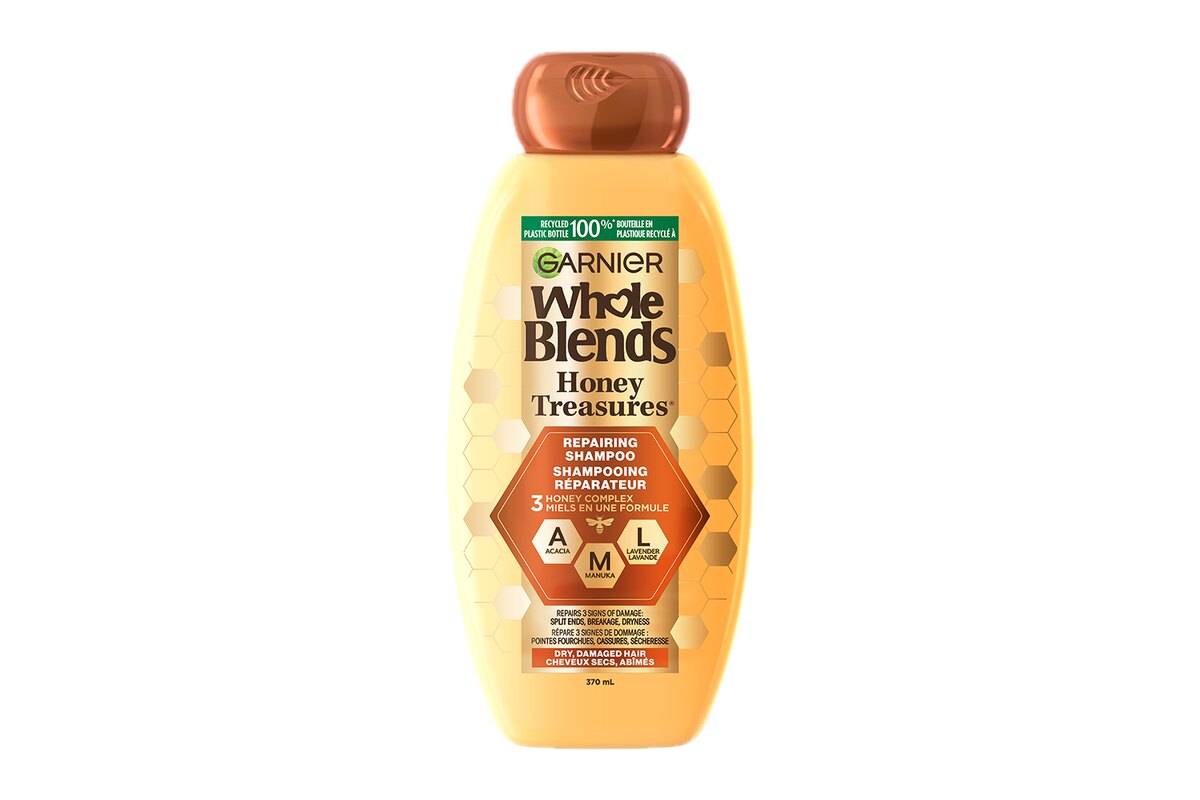
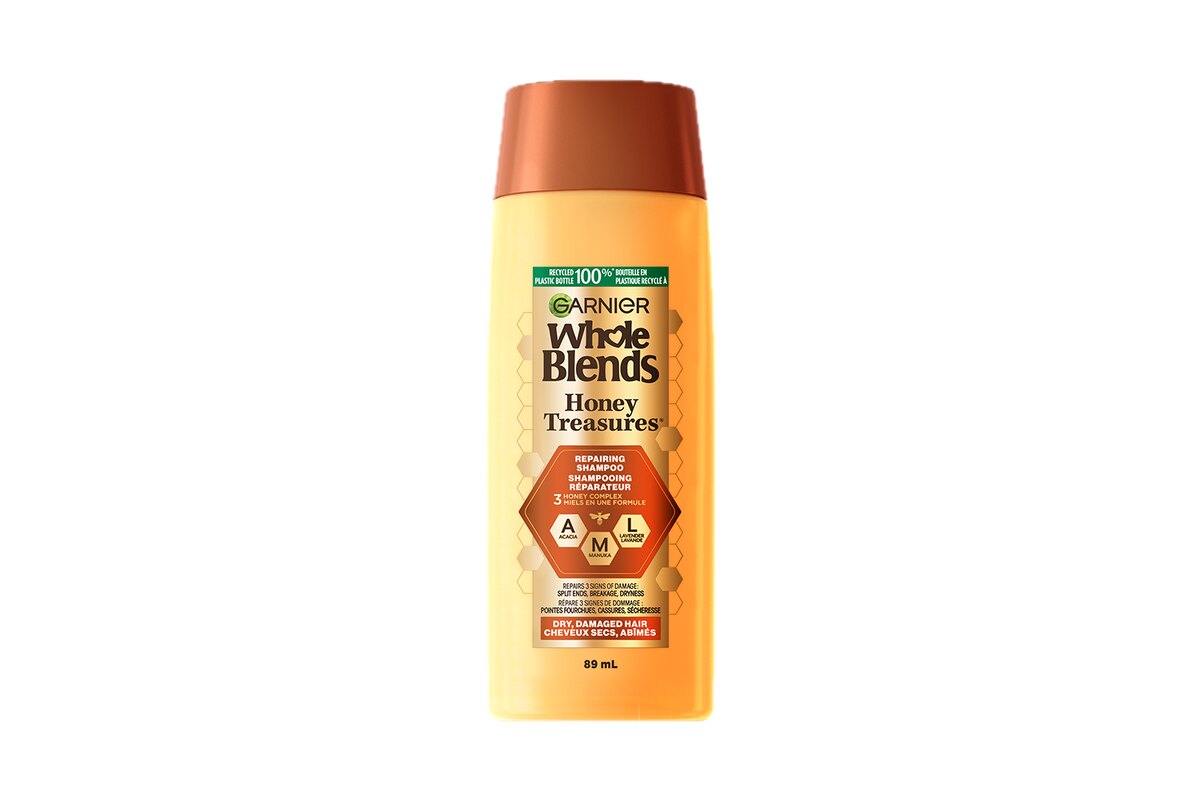
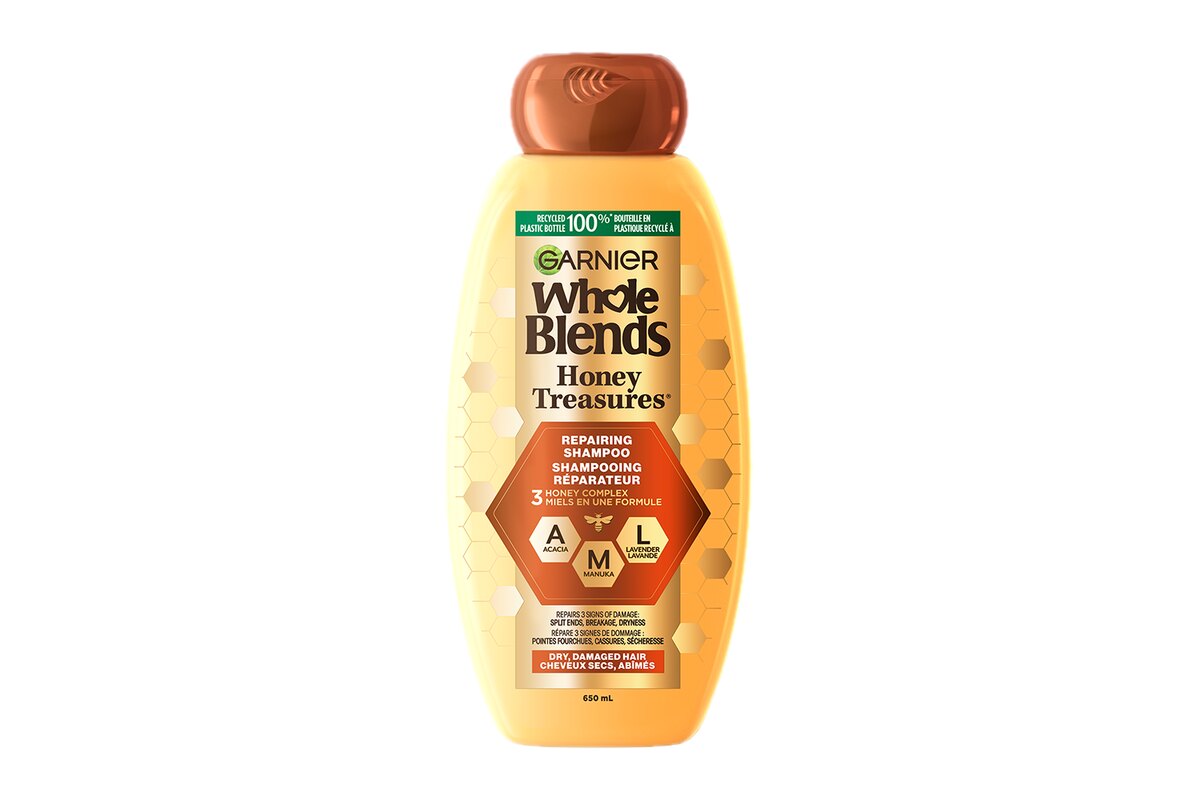
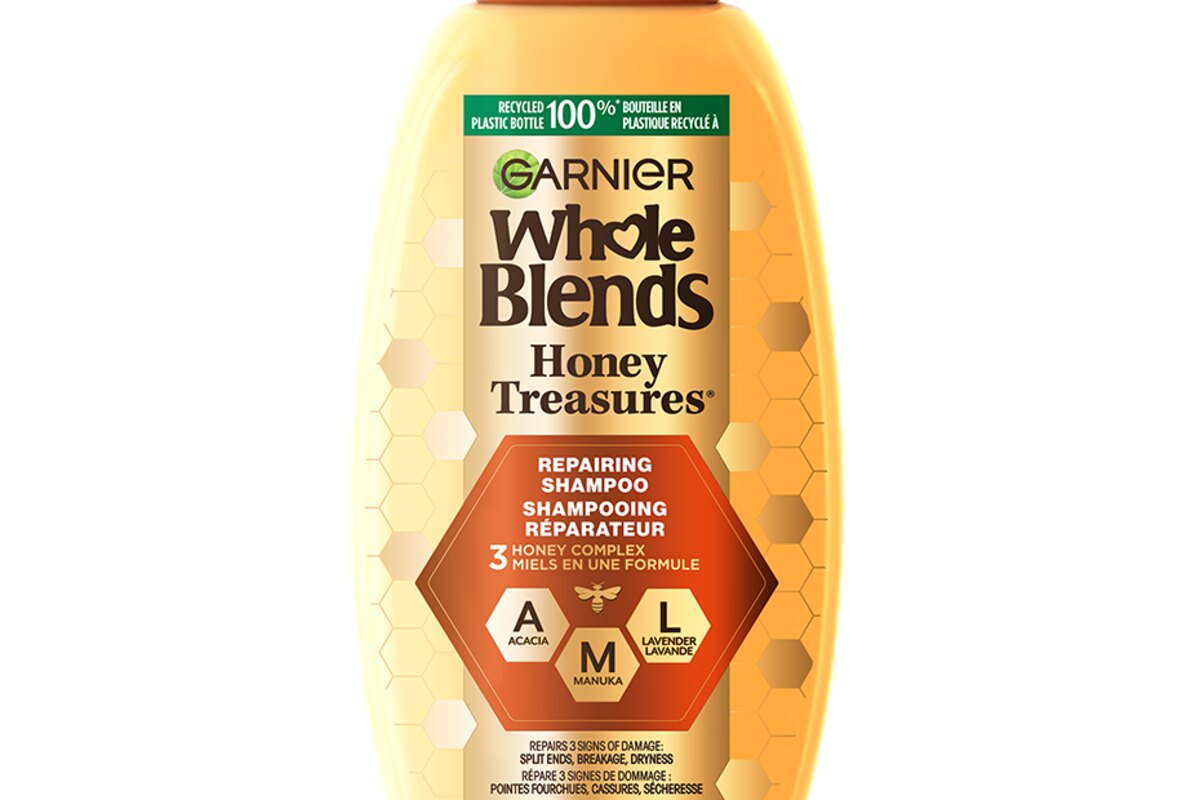
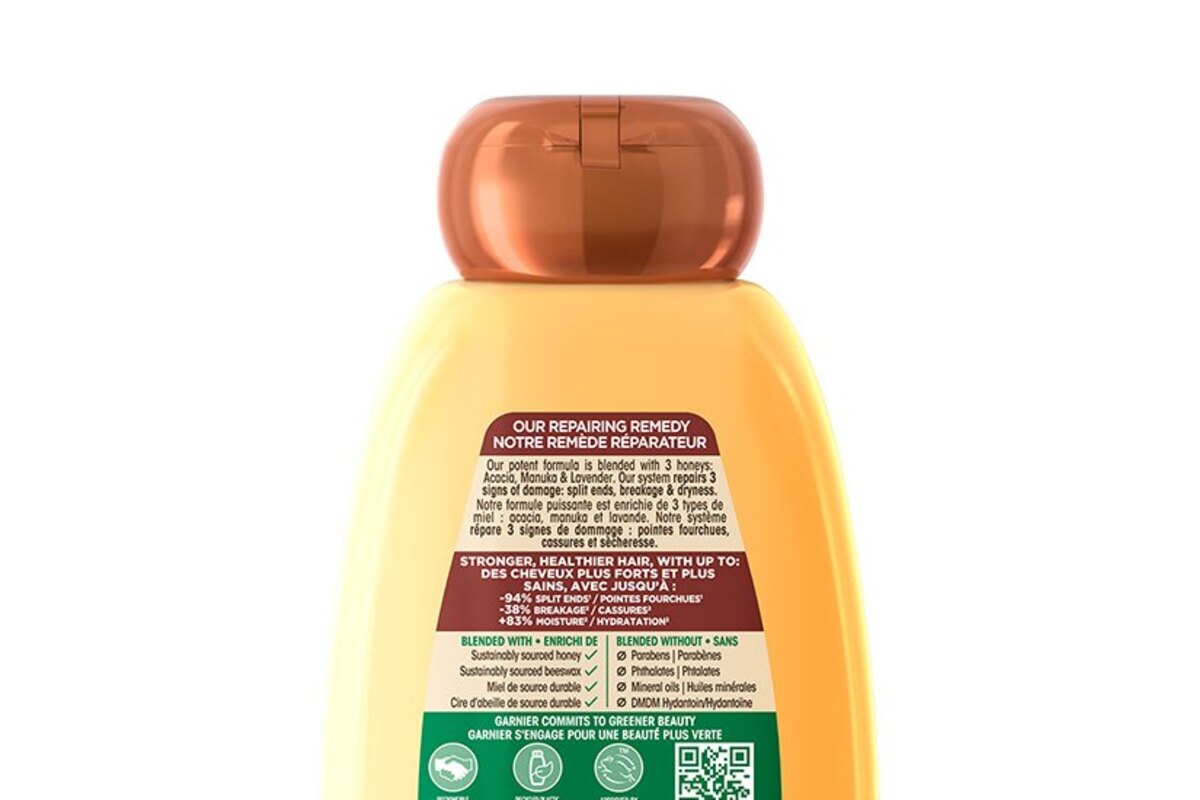
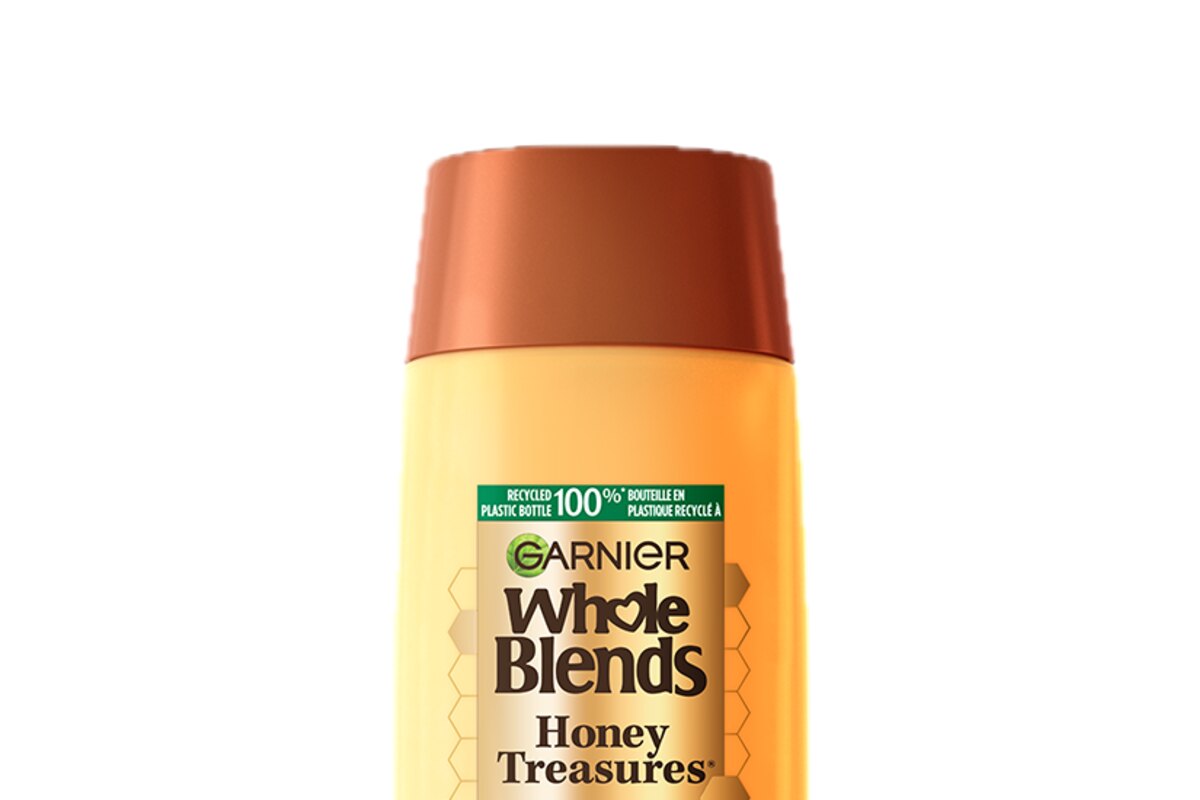
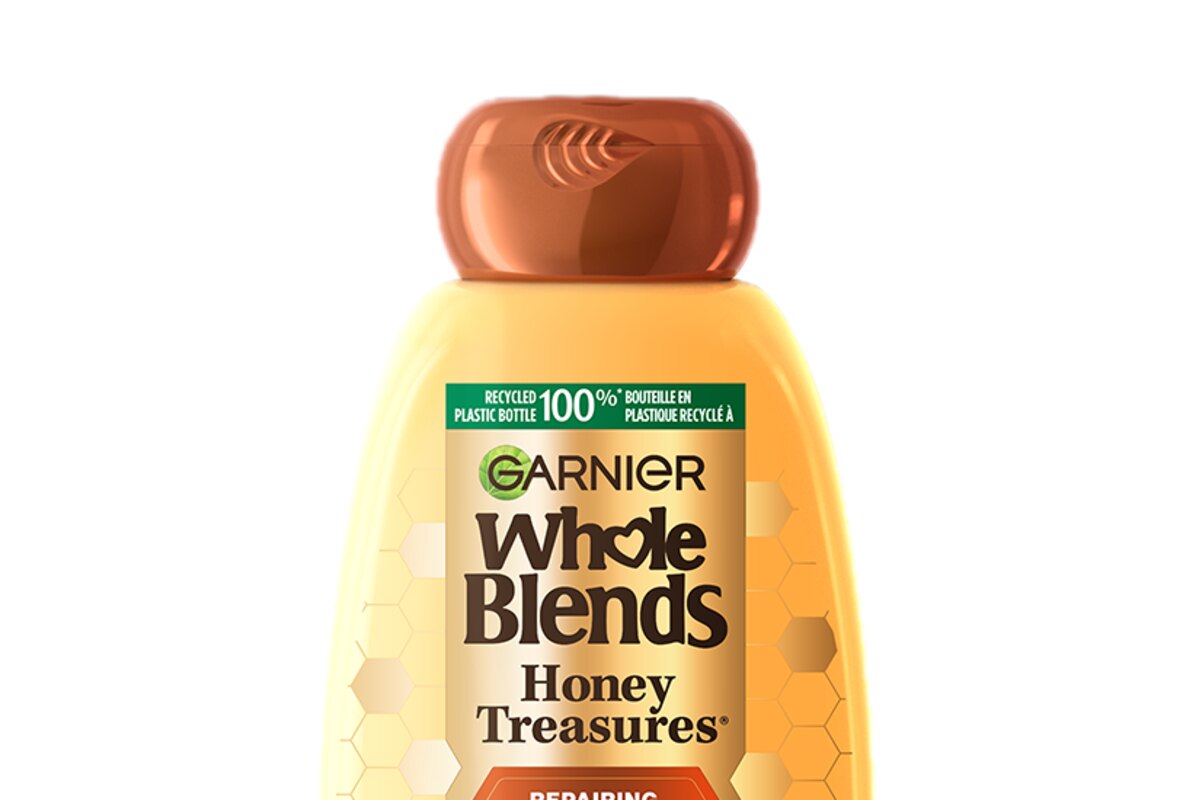
Garnier describes Whole Blends Honey Treasures Repairing Shampoo as a shampoo for dry, damaged hair, designed to reduce split ends and breakage while boosting moisture. It comes in a 370 ml bottle, as well as 650 ml and 89 ml sizes.
The brand says it is infused with a blend of acacia, manuka and lavender honey. It also says the bottle is made with 100 percent recycled plastic and that the product is certified by Cruelty-Free International. These are manufacturer statements.
The Brand's Claims
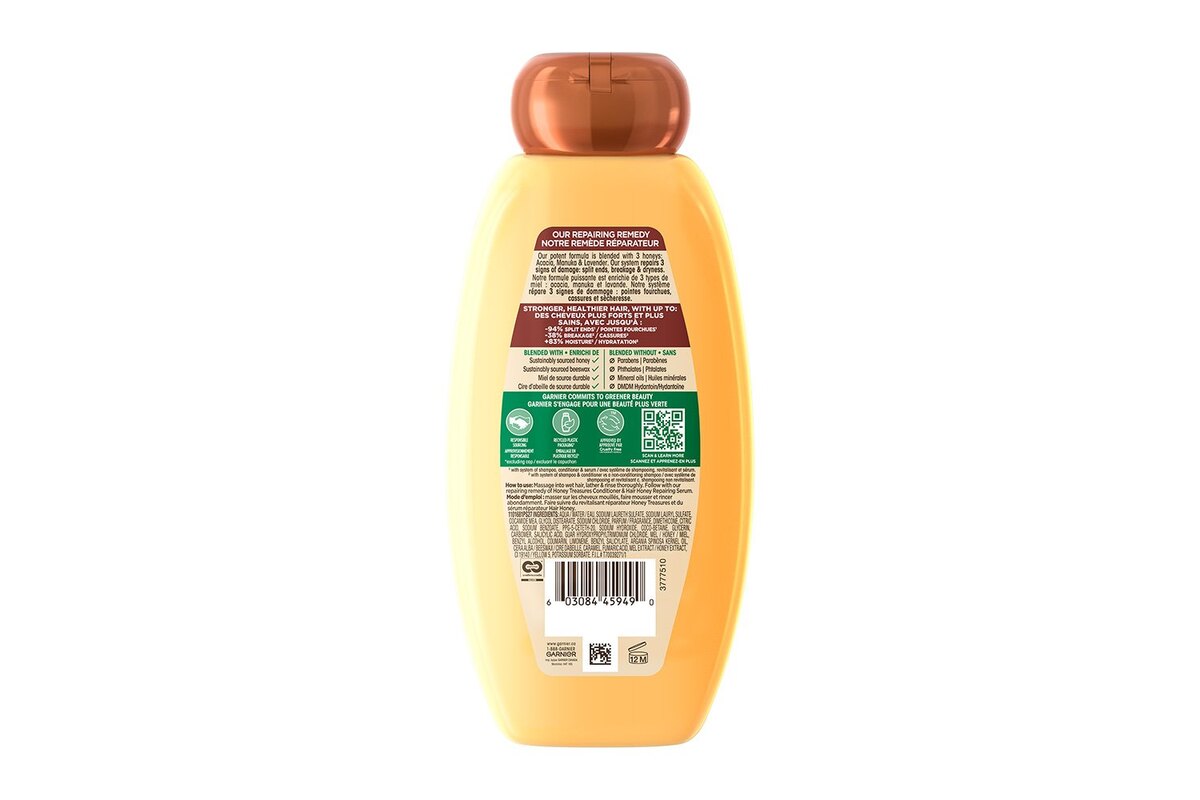
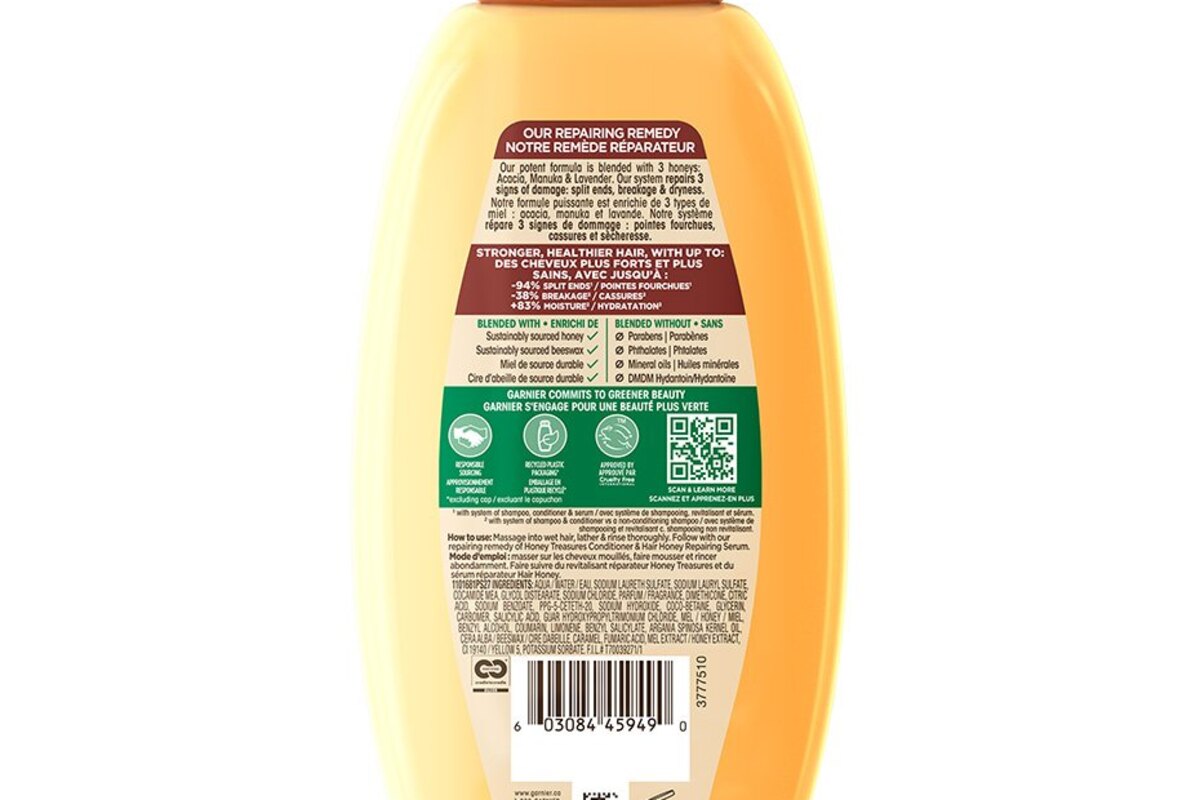
Garnier says that after one use of its honey shampoo and conditioner system, hair shows up to 94 percent fewer split ends and a decrease in breakage, and an 83 percent increase in hair’s moisture levels, compared with a non-conditioning shampoo. The brand does not give the full testing details on the page.
Claims like these usually compare the shampoo and conditioner system to a baseline, so they say more about the pair than the shampoo alone. Treat them as indications of what the brand tested rather than a promise of what your hair will do.
The Ingredient List

The list starts with water, sodium laureth sulfate, sodium lauryl sulfate and cocamide MEA, which are the cleansing and foaming ingredients. Sulfates are effective cleansers that create a rich lather, and they are common in drugstore shampoos.
The formula also includes dimethicone, which coats hair for slip and shine, glycerin, salicylic acid, honey, and fragrance components. Salicylic acid at low levels in a shampoo can help with scalp buildup. If your scalp is sensitive or dry, sulfates and fragrance are worth considering, and a gentler shampoo may suit you better.
Who It May Suit

The brand targets dry, damaged hair. People with coloured, heat-styled or processed hair often look for shampoos with conditioning ingredients like this. The brand says the shampoo is designed for all hair types, though it is marketed for hair that needs repair.
If you have an oily scalp and fine hair, a more moisturising shampoo can weigh hair down. If your hair is very dry or you have a sensitive scalp, you may want to check with a pharmacist or dermatologist.
How to Use It
Garnier’s directions are to saturate hair thoroughly with water, lather a generous amount, massage gently to create a rich foam, rinse, and follow with the matching conditioner for best results.
Concentrate shampoo on the scalp and let the suds run down the lengths as you rinse. Rinse for longer than you think, since leftover product can leave residue that weighs hair down.
What the Images Show
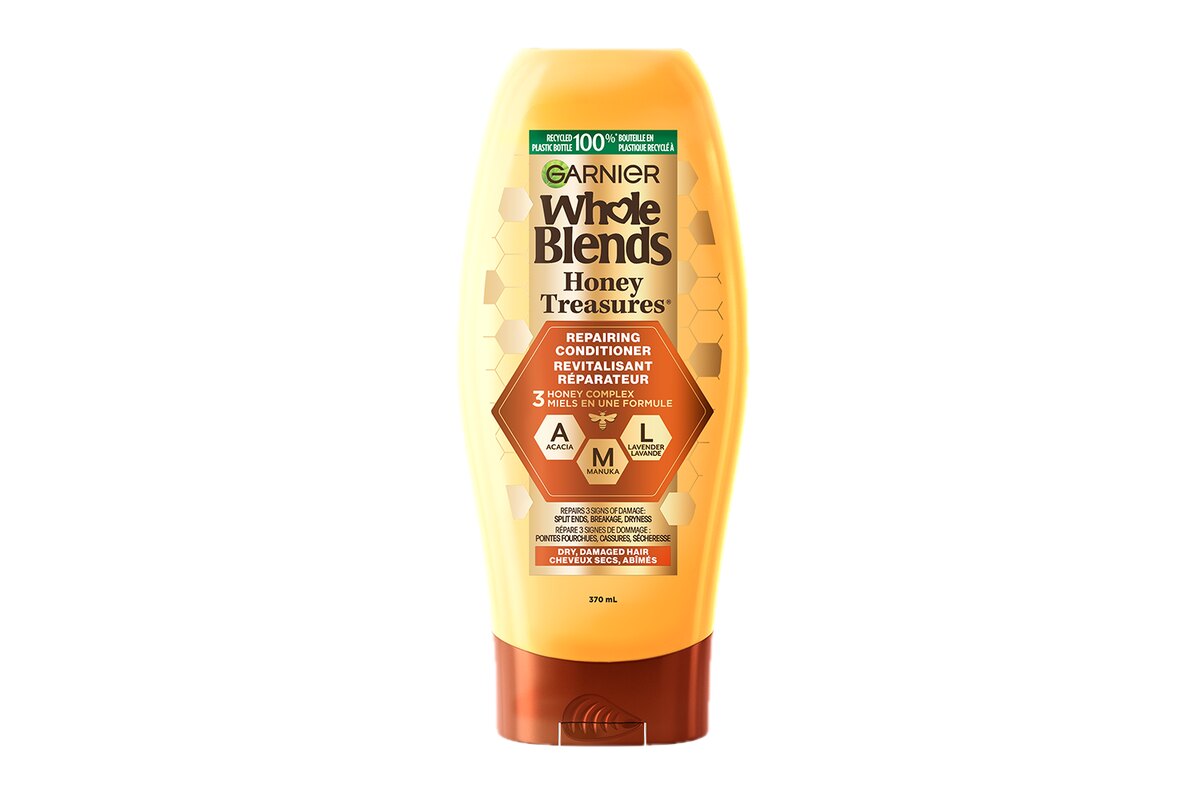
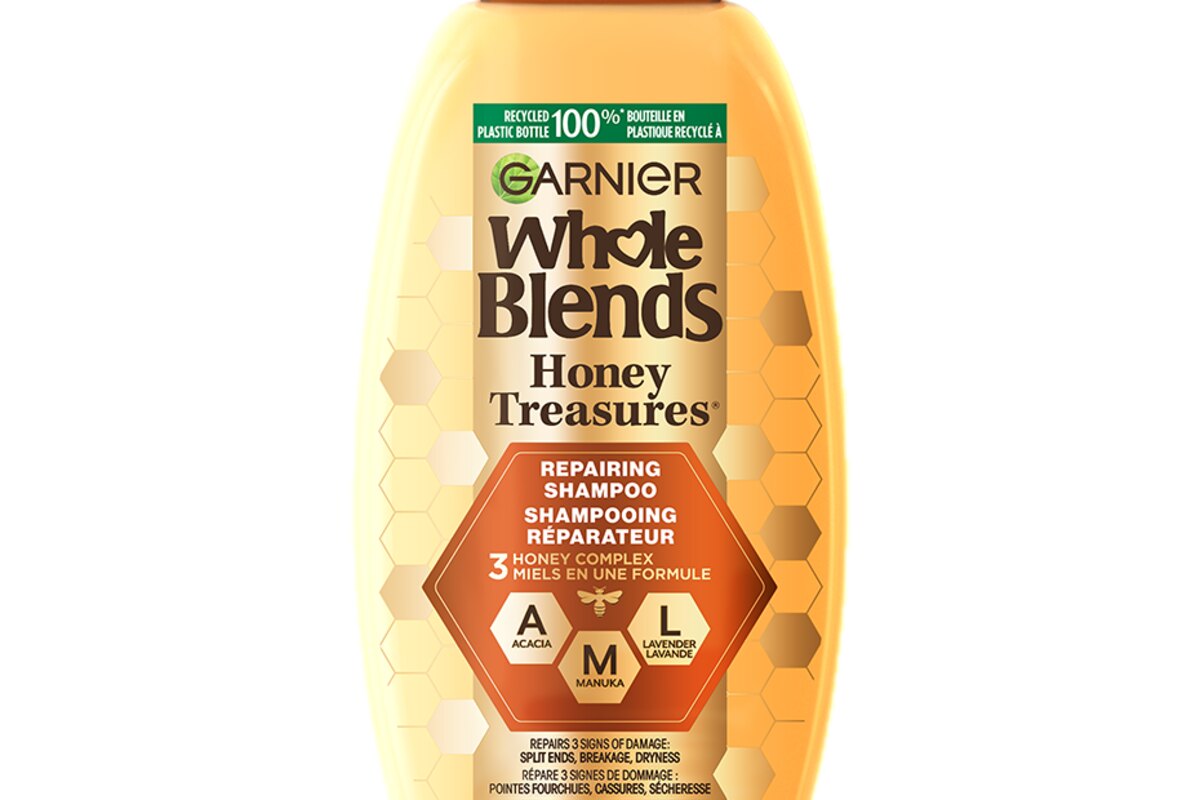
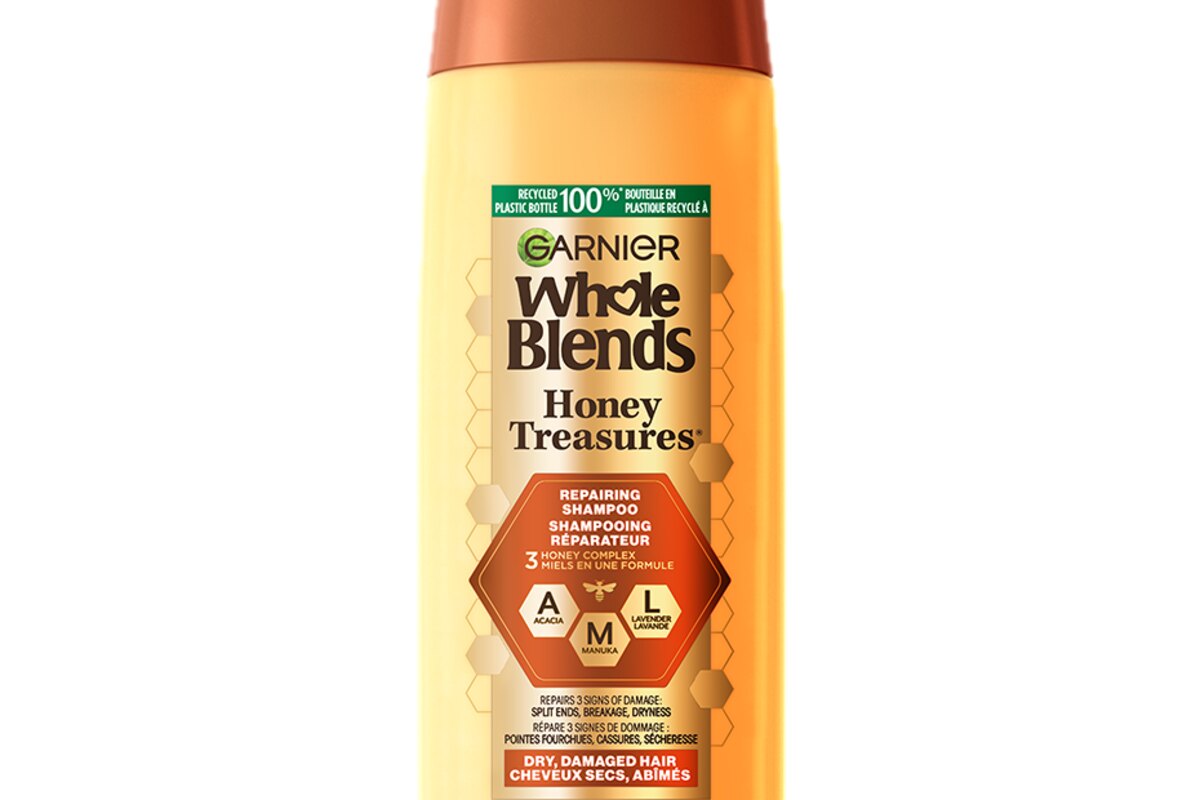
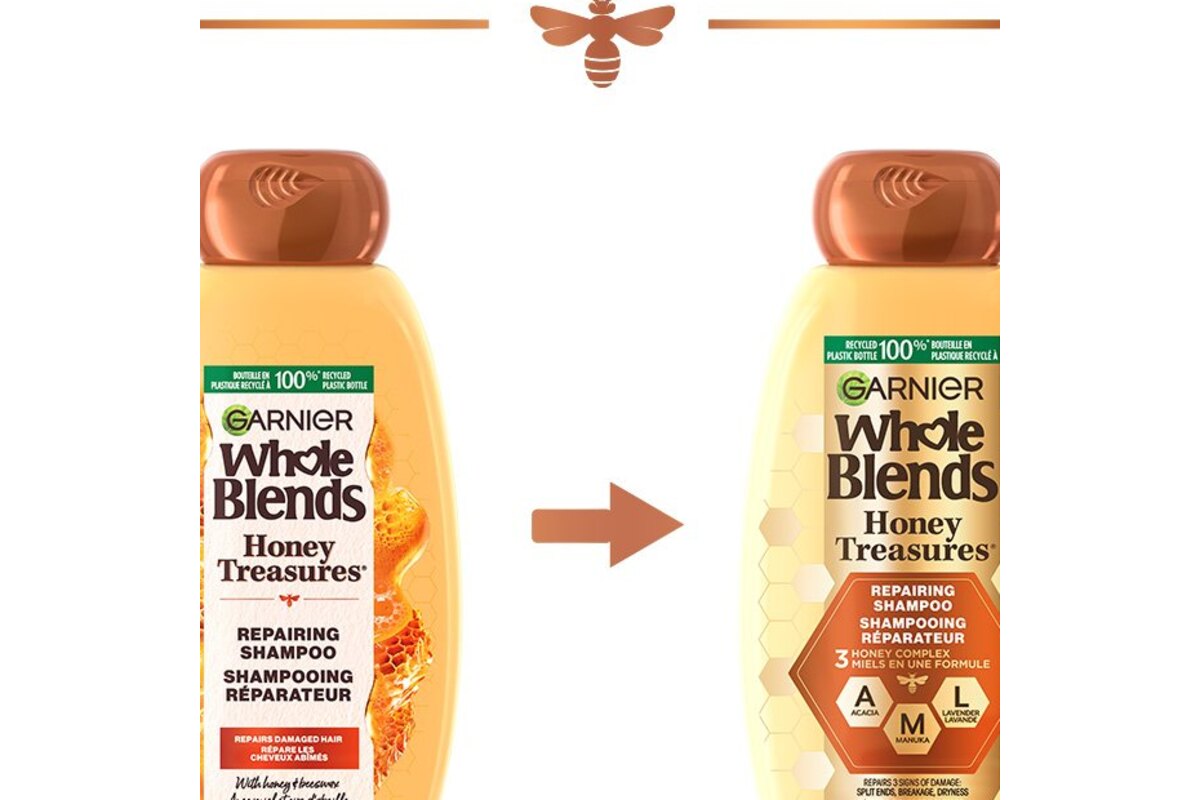
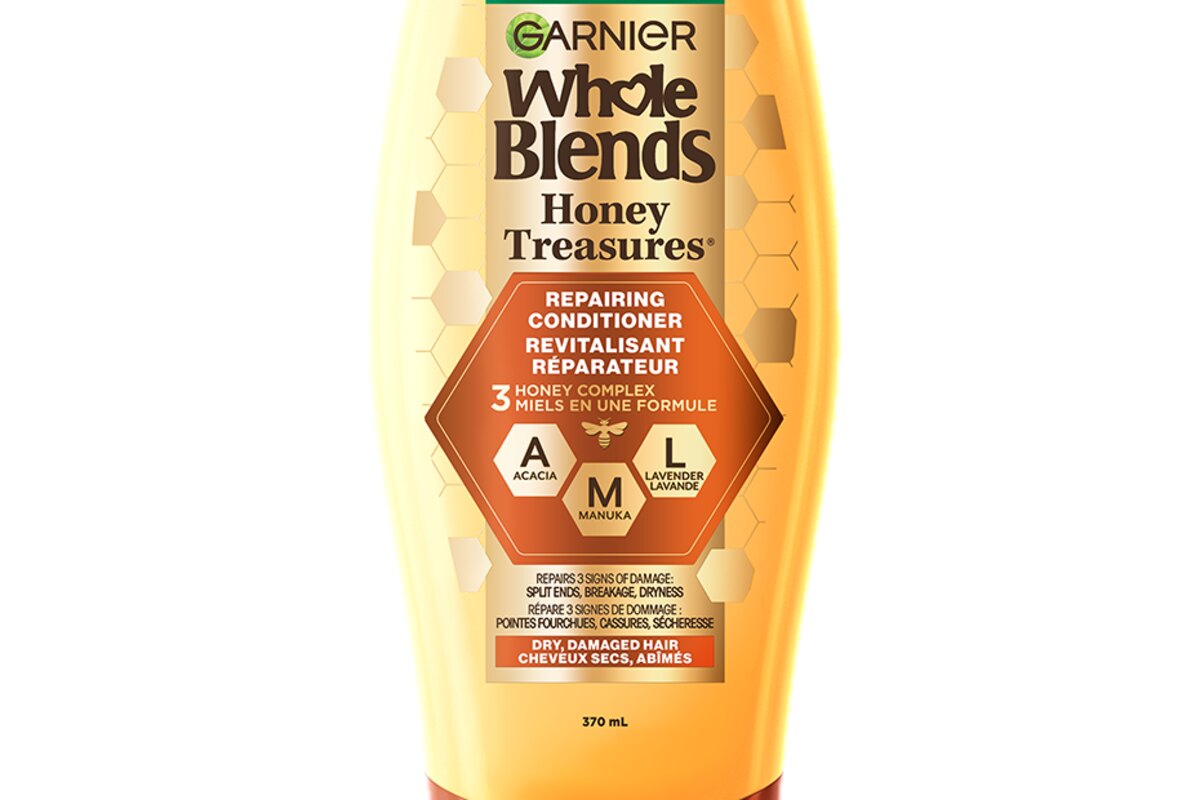
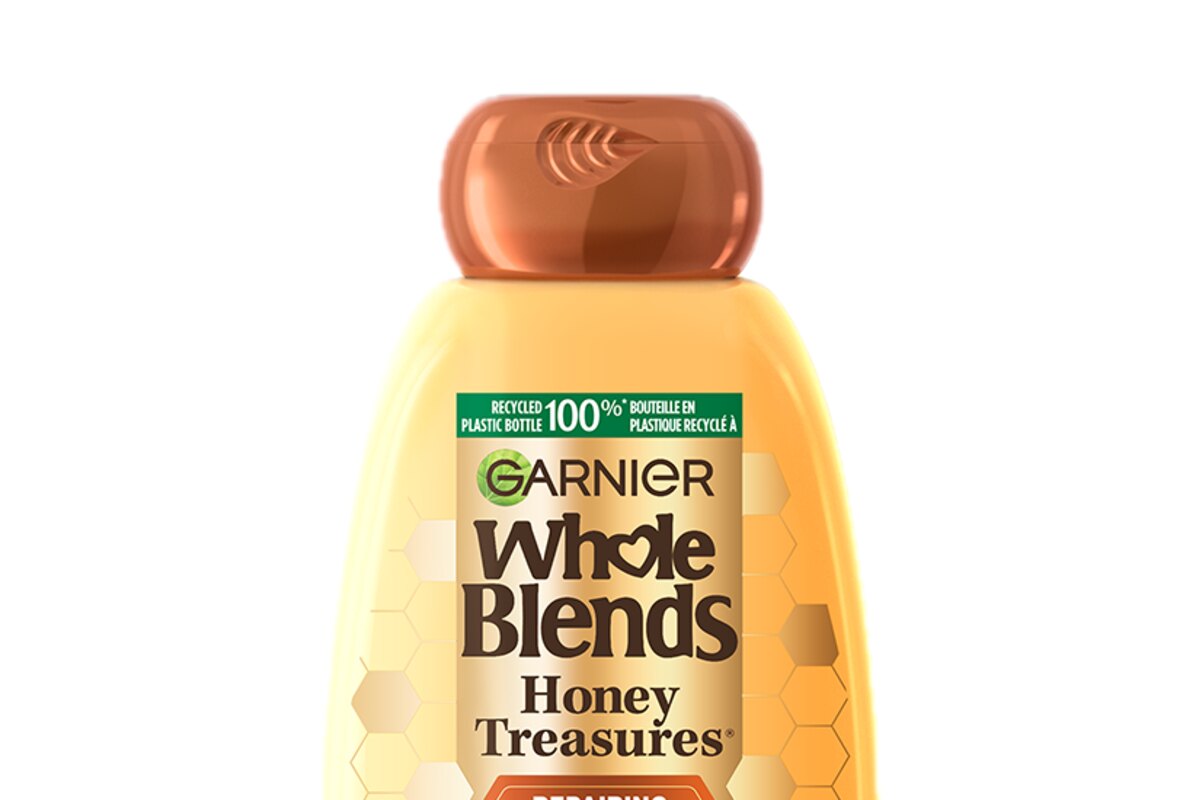
The images in this article come from the manufacturer’s product page. They show the 370 ml, 650 ml and 89 ml bottles, the back of the bottle, the new formula and new look comparison, and a campaign image showing different hair types.
They are marketing images, so use them to see the packaging and sizes. Compare the ingredient list on your own bottle with the one on the brand’s page.
Hair Wash Day Mistakes That Make Hair Look Greasy Faster
Very hot water can irritate the scalp, and some people find it prompts more oil. Lukewarm water cleans just as well and is gentler on both scalp and hair.
Conditioner is designed for the lengths and ends, where hair is oldest and driest. Applying it at the scalp can leave roots limp. Start at mid-lengths and work downwards, and rinse thoroughly.
Use the Scalp Massage and Rinse Properly
Shampoo is meant to clean the scalp, not just the hair. Use your fingertips, not your nails, to massage in small circles for about a minute. This helps lift oil and buildup.
Rinse for longer than you think, especially at the nape and behind the ears. Leftover shampoo or conditioner can leave residue, which weighs hair down and makes it look dull and greasy.
Product Buildup and Clarifying
Silicones, heavy conditioners, hard water minerals, and styling products can accumulate on the hair and scalp, leaving hair limp and greasy. A clarifying shampoo used once every week or two can reset your hair. Follow with a conditioner, since clarifying shampoos can be drying.
If you have hard water, a chelating shampoo or a shower filter may help. If your hair is coloured or dry, use clarifying products sparingly.
Tools and Accessories That Help

A few simple tools can improve your wash day. A scalp massager can help loosen buildup and distribute shampoo. A wide-tooth comb is gentle on wet hair. A microfibre towel absorbs water without roughing up the cuticle. A boar bristle brush can help move oil from roots to ends for people with straight hair.
Keep your tools clean. Remove hair from brushes, wash them with shampoo every couple of weeks, and let them dry fully. Dirty brushes can put oil and product right back onto clean hair.
If you use hot tools, choose ones with adjustable temperature and use them sparingly. Over time, simple habits and the right tools can help your hair look clean for longer and feel healthier.
Adjusting for Seasons and Climate
In summer, heat and humidity can increase oil and sweat, so you may need to wash more often or use a lighter conditioner. In winter, indoor heating dries out the scalp and hair, so you may need a more moisturizing routine and fewer washes.
If you move between climates, you may notice changes in how your hair behaves. Hard water in some areas leaves buildup, while soft water can make hair feel slippery. Adjust products as needed.
Pay attention to the seasons and your environment, and be willing to change your routine. Hair care that works in January may not suit July, and flexibility helps you keep your hair looking its best.
Choosing Shampoo for Your Needs
Look for a shampoo suited to your scalp, not just your hair length. For an oily scalp, clarifying or balancing shampoos can help remove excess oil and buildup. For a dry or sensitive scalp, choose a gentle, hydrating formula. If you have dandruff, look for ingredients such as zinc pyrithione, ketoconazole, or selenium sulfide.
Use the amount you need, which is often less than you think. Concentrate shampoo on the scalp, and let the suds run down the lengths of the hair as you rinse. Double cleansing, once for oil and once for the scalp, can help if you use a lot of styling products.
Know Your Scalp and Hair Type
How quickly your hair gets greasy depends on your scalp’s oil production, your hair’s thickness, and its texture. Fine, straight hair shows oil faster because oil travels more easily from root to tip, while curly or coily hair tends to hold on to oil closer to the scalp and often feels drier at the ends.
This means that the right routine is different for different people. Someone with fine, straight hair may need to wash every other day, while someone with thick, coily hair may only need to wash weekly. Pay attention to how your own scalp behaves rather than following a fixed schedule.
A Sample Wash Day Routine
Start by detangling hair gently before getting in the shower. Wet your hair thoroughly with lukewarm water, apply shampoo to the scalp, and massage for a minute or so. Rinse well, then apply conditioner from the mid-lengths to the ends, leave it for a couple of minutes, and rinse until the water runs clear.
Finish with a cool rinse if you enjoy it, since it can help the cuticle lie flat. Squeeze out excess water with a towel, apply any leave-in products to damp hair, and let it dry naturally or use a diffuser or a blow dryer on a medium setting.
Drying and Styling Habits
How you dry and style your hair affects how it looks later. Rubbing with a rough towel can roughen the cuticle and cause frizz. Blot gently with a microfibre towel or soft cotton shirt instead. If you use a hairdryer, start with the roots, since a damp root can look flat and greasy.
Overusing heat can damage the hair and make it look dull. Use a heat protectant, keep the temperature moderate, and avoid heavy products near the roots. Brushing hair back from the face and securing it loosely can also help reduce oil transfer from skin.
Dry Shampoo Without the Buildup
Dry shampoo can extend the time between washes, but overuse can cause buildup on the scalp, which can lead to itching and flaking. Apply it to clean or slightly oily roots before the hair gets very greasy, let it sit for a minute, then massage and brush through.
Do not use it as a substitute for washing for too long. Aim to use it for a day or two between washes and make sure you clean your scalp thoroughly on wash day. Choose a formula that does not leave a heavy white residue, especially on dark hair.
Diet, Stress and Hormones

Hormonal changes, stress, sleep, and diet can all influence oil production. Many people notice greasier hair around certain times in their cycle or during stressful periods. If you notice sudden changes, such as a very greasy scalp or hair loss, it is worth talking to a healthcare professional.
General habits like drinking enough water, eating a balanced diet, and getting enough rest support overall hair health. There is no single food that will fix oily hair, but looking after yourself can make a difference over time.
Frequently Asked Questions

How often should I wash my hair? It depends on your scalp and hair type. Many people wash every two to three days.
Is it sulfate-free? No. The ingredient list includes sodium laureth sulfate and sodium lauryl sulfate.
Is it cruelty-free? The brand says it is certified by Cruelty-Free International.
Do I need the conditioner too? The brand’s claims refer to the shampoo and conditioner system, so using both is recommended for the claimed results.
The Bottom Line
Garnier Whole Blends Honey Treasures Repairing Shampoo is an affordable, widely available shampoo aimed at dry, damaged hair, with a sulfate-based cleansing system and honey-inspired branding. It may suit people who want a conditioning, fragrant shampoo. Whatever you choose, your wash day habits matter just as much as the bottle.